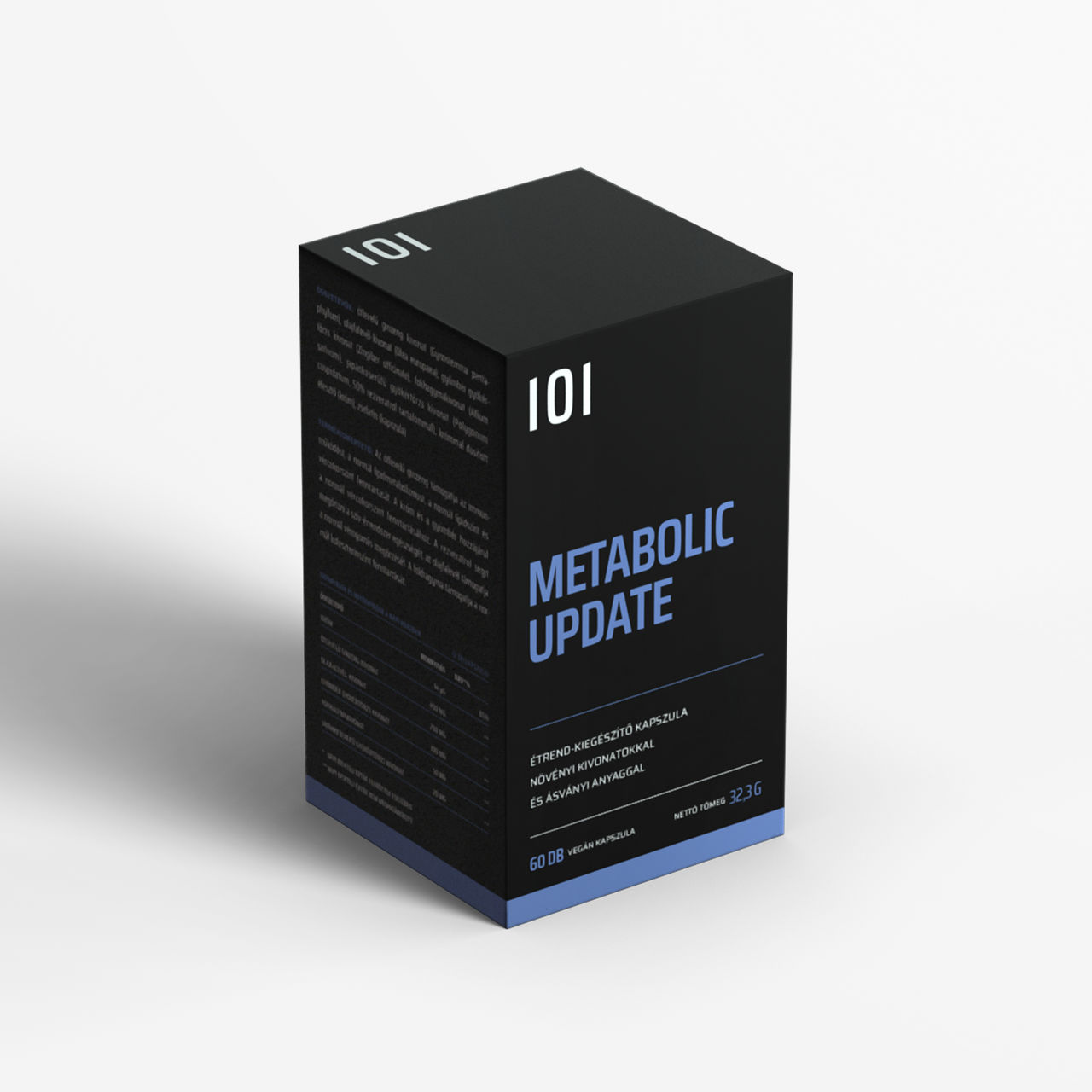
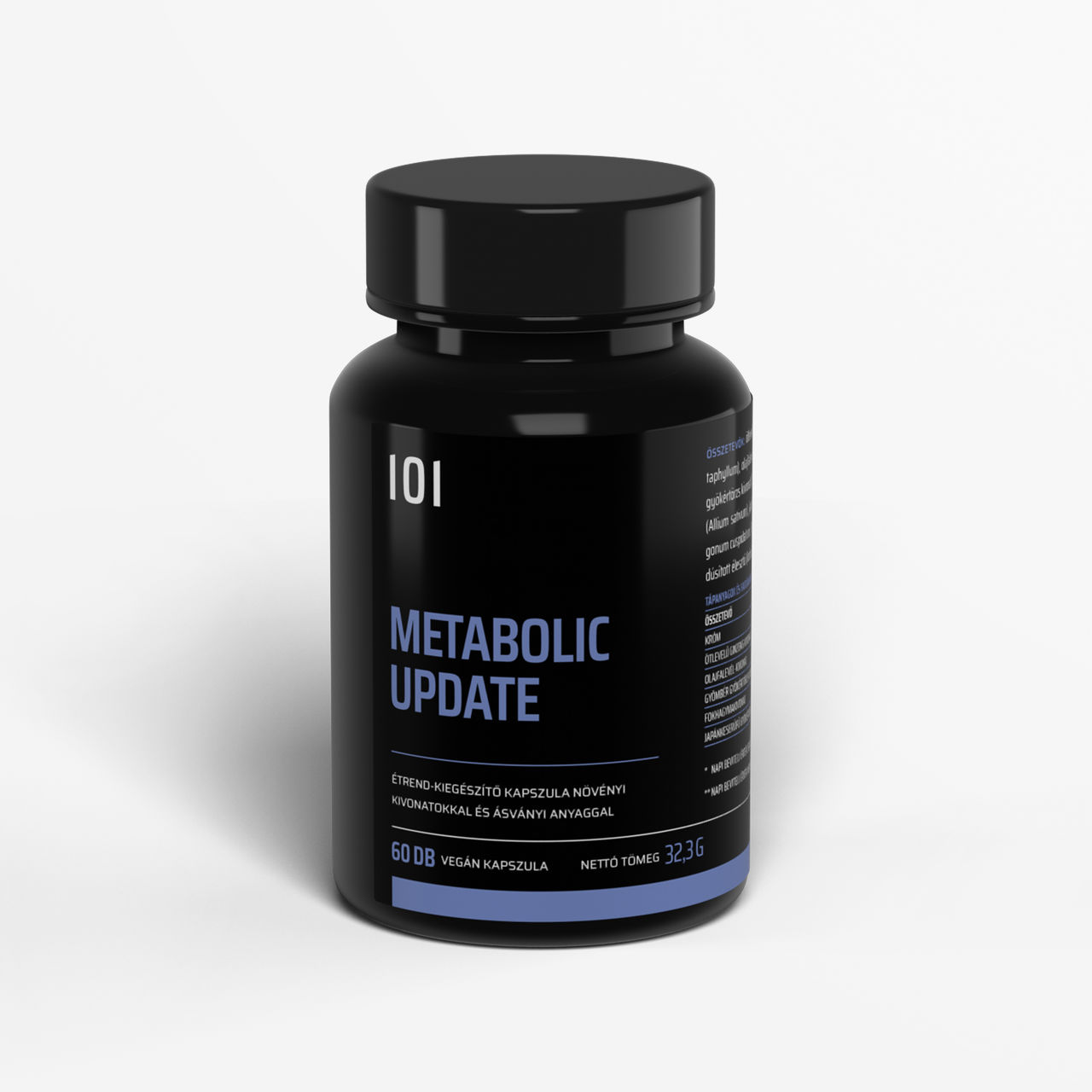
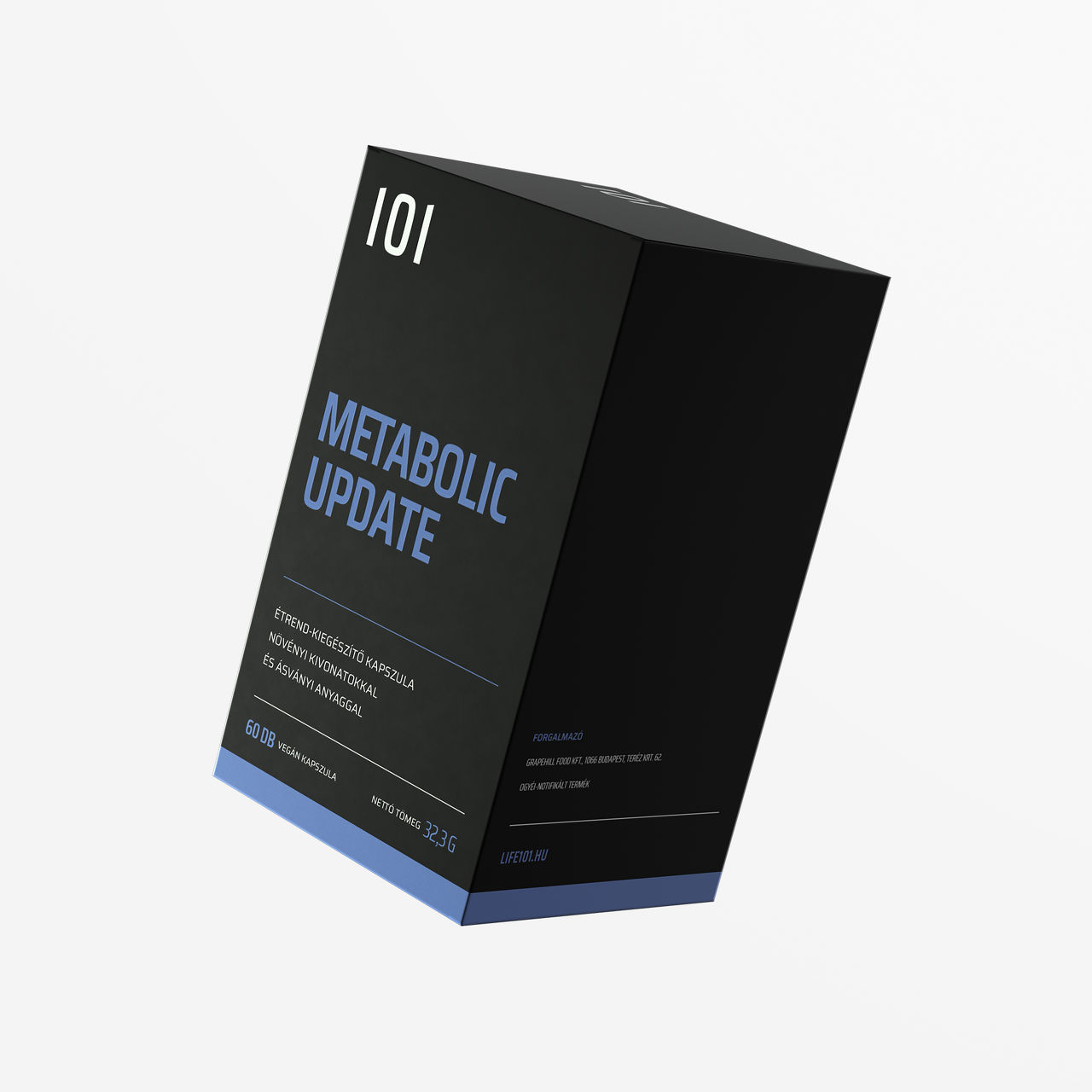
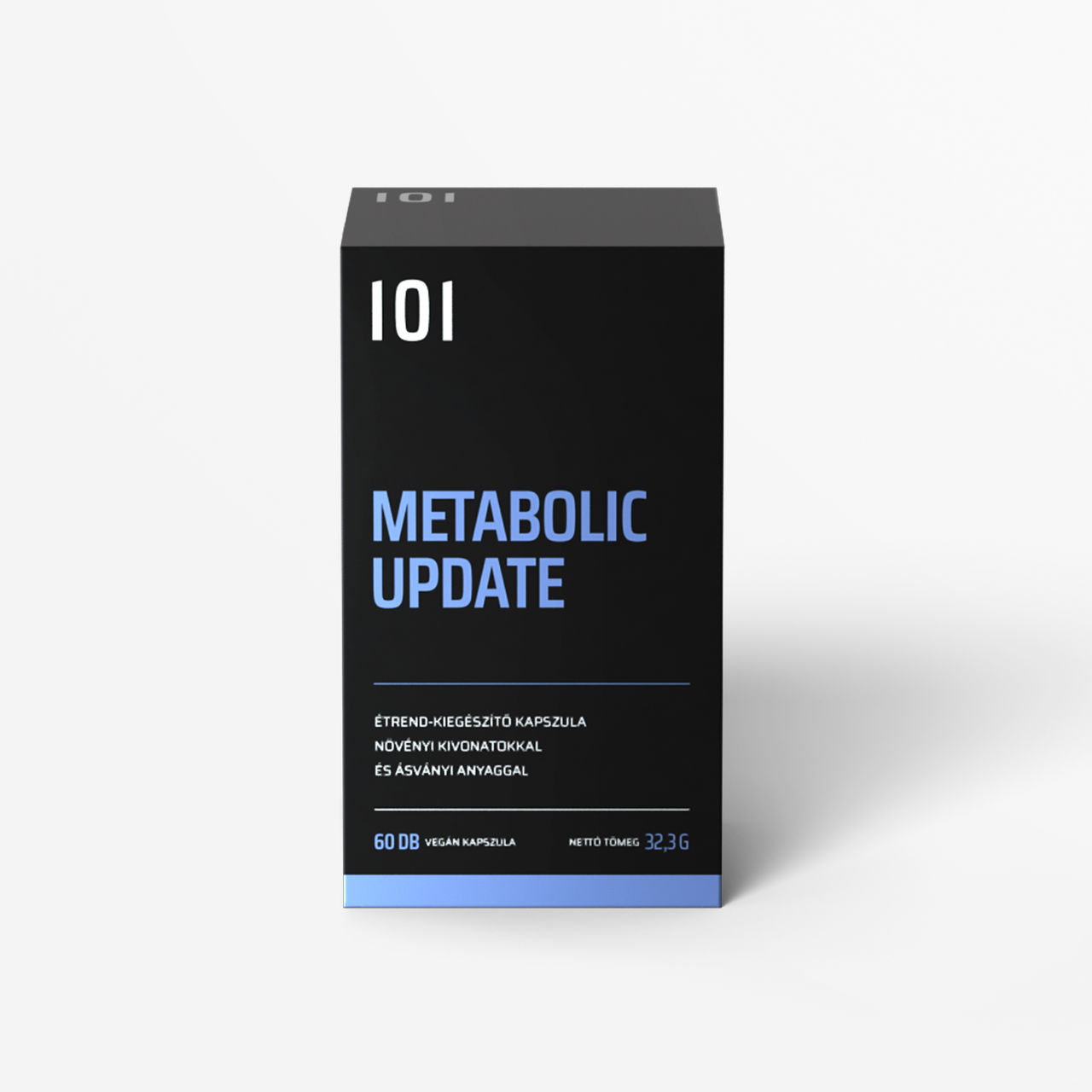
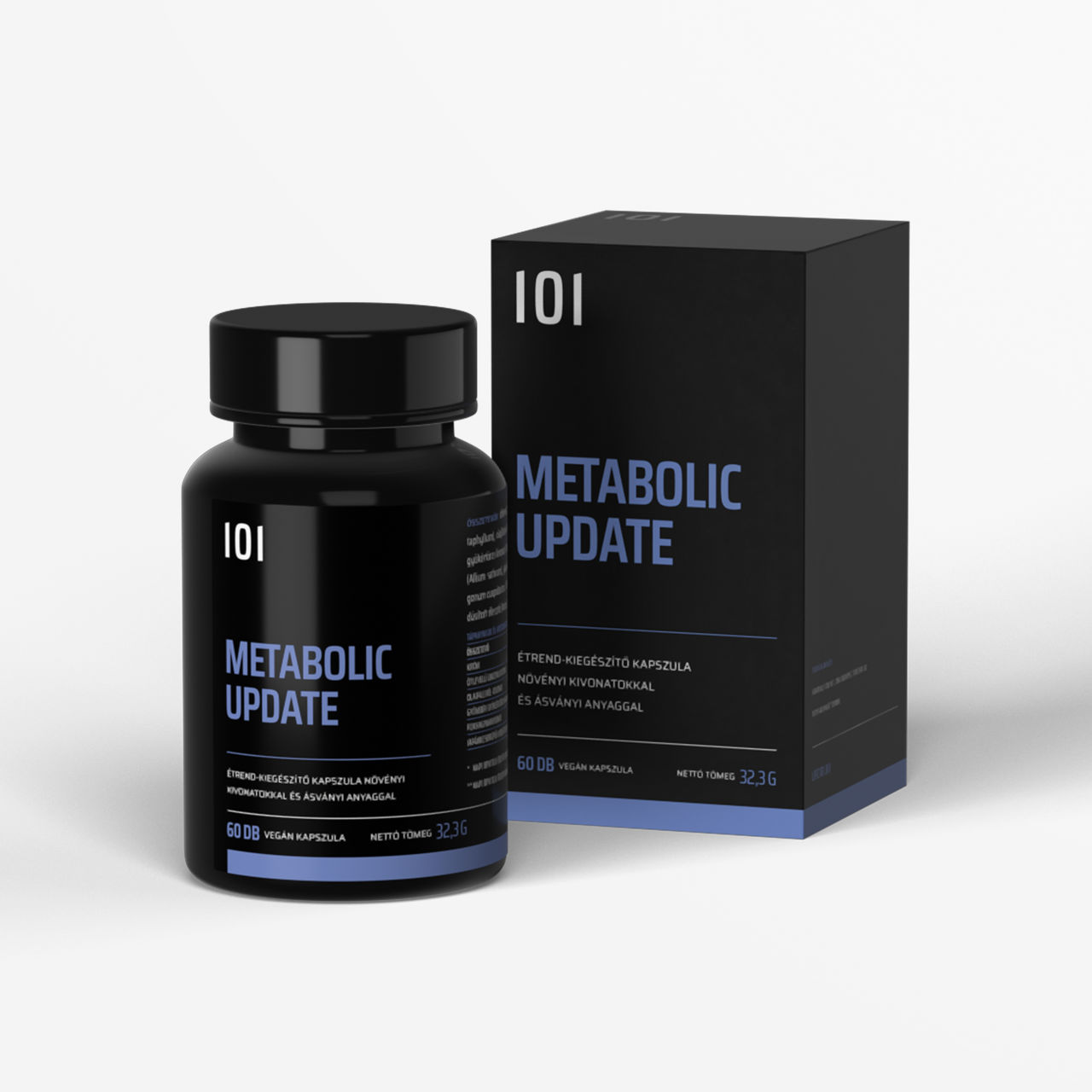
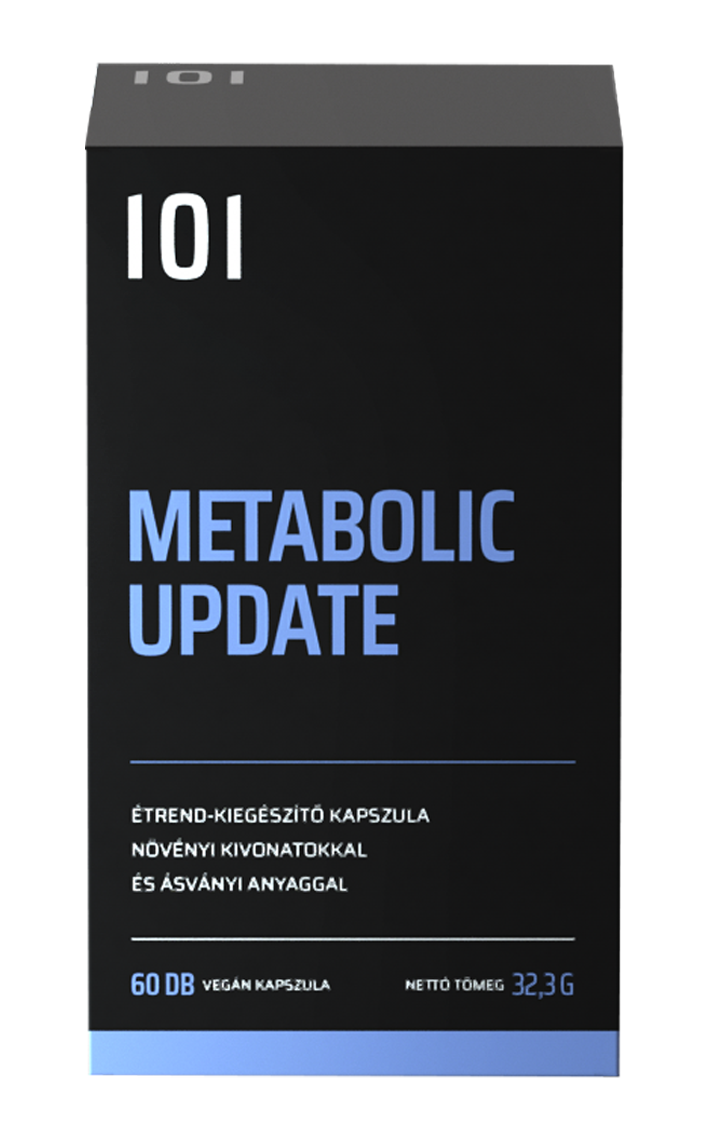
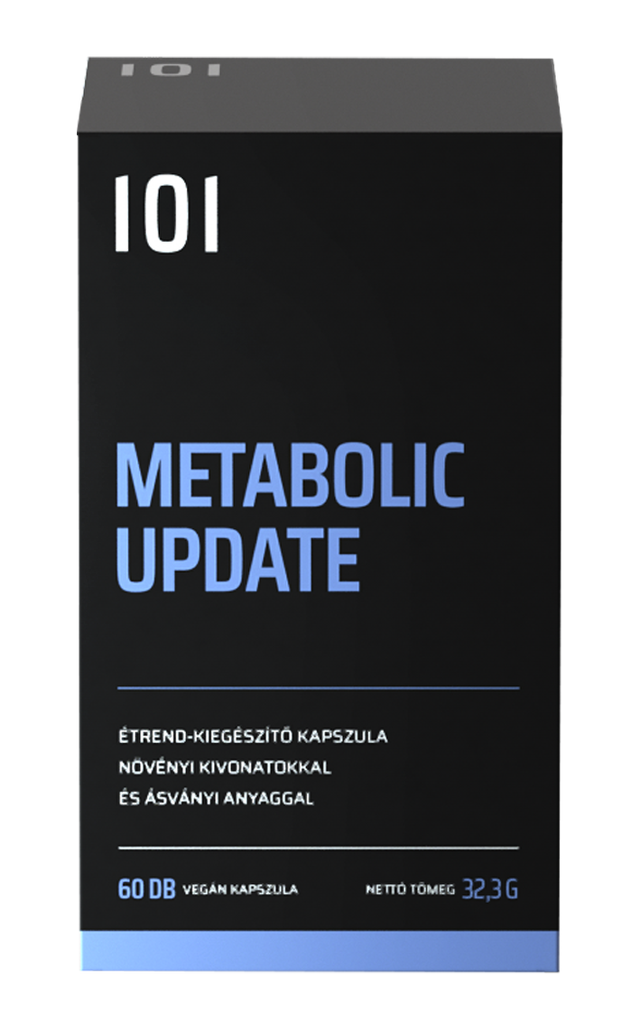
Metabolic Update metabolism booster supplement
Metabolism
100% money back guarantee!
We offer you a 100% satisfaction guarantee! Within 60 days you can refund your purchase if you are not satisfied with it for any reason. Click here for details!
Shipping costs will be calculated at checkout.
You can redeem your coupon at the checkout.
Everything you need to support your metabolism! A powerful mix of natural ingredients which is developed to help you maintain normal blood pressure, blood sugar, lipid, and cholesterol levels.
Certificates


Forest Stewardship Council
A Forest Stewardship Council egy 1993-ban alapított nemzetközi non-profit szervezet, amelynek célja a felelős erdőgazdálkodás előmozdítása. Az FSC előírásainak alapján kiadott tanúsítványok igazolják, hogy az adott termék a környezetvédelem és a szociális szempontok figyelembevételével készült.


Repairer of your metabolic index
As the age progresses or due to genetic predisposition, the body's metabolic parameters may deteriorate, which may result in weight gain, elevations in blood sugar and cholesterol levels. This process can lead to the development of so-called metabolic syndrome, which can be accelerated by unhealthy lifestyles and diets.
In order to avoid metabolic syndrome – in addition to lifestyle changes – our primary task is to develop an appropriate diet and a propre supplementation if necessary. Metabolic Update contains ingredients that balance your body’s performance and help you maintain your daily well-being and balance.
It's key ingredient is a special extract of five-leaf ginseng, which, in addition to its beneficial effect on metabolism, also enhances endurance as well as performance against physical and mental stress. It is complemented by the beneficial effects of garlic extract, olive leaf extract, chromium and ginger in the fight to maintain normal blood sugar, cholesterol and blood pressure. This product also contains the extremely versatile resveratrol, which helps maintain your cardiovascular health.
Important! Metabolic Update should not be taken if you are allergic to any of its ingredients, and it is not recommended for people who are taking medicines to lower blood sugar level.


Specialized in peptides, anti-aging, and alternative medicine. Received his doctorate from the Faculty of Medicine of the University of Debrecen, but during his career he also obtained a degree from the University of Arizona and the St. Petersburg Bioregulation and Gerontology Research Institute, and is a member of the American Academy of Anti-Age Medicine.
Active Ingredients
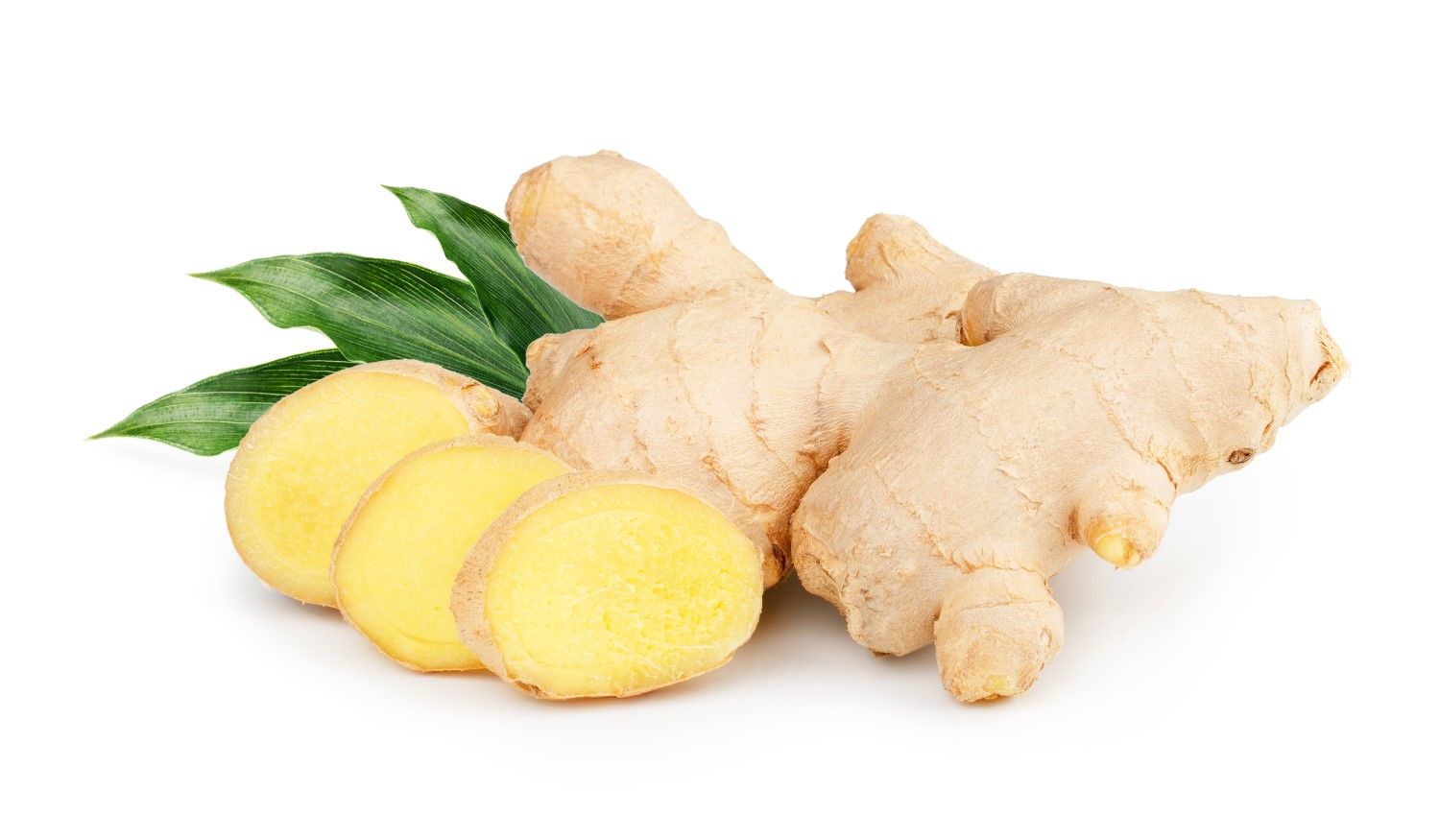
Ginger
Ginger showed atherosclerosis inhibitory effects in animal experiments. Through its blood pressure regulating, cholesterol decreasing, antioxidant and platelet aggregation inhibitory effects, it has beneficial cardiovascular effects. Even though clinical trials prove that it does not interact with anticoagulant medications.
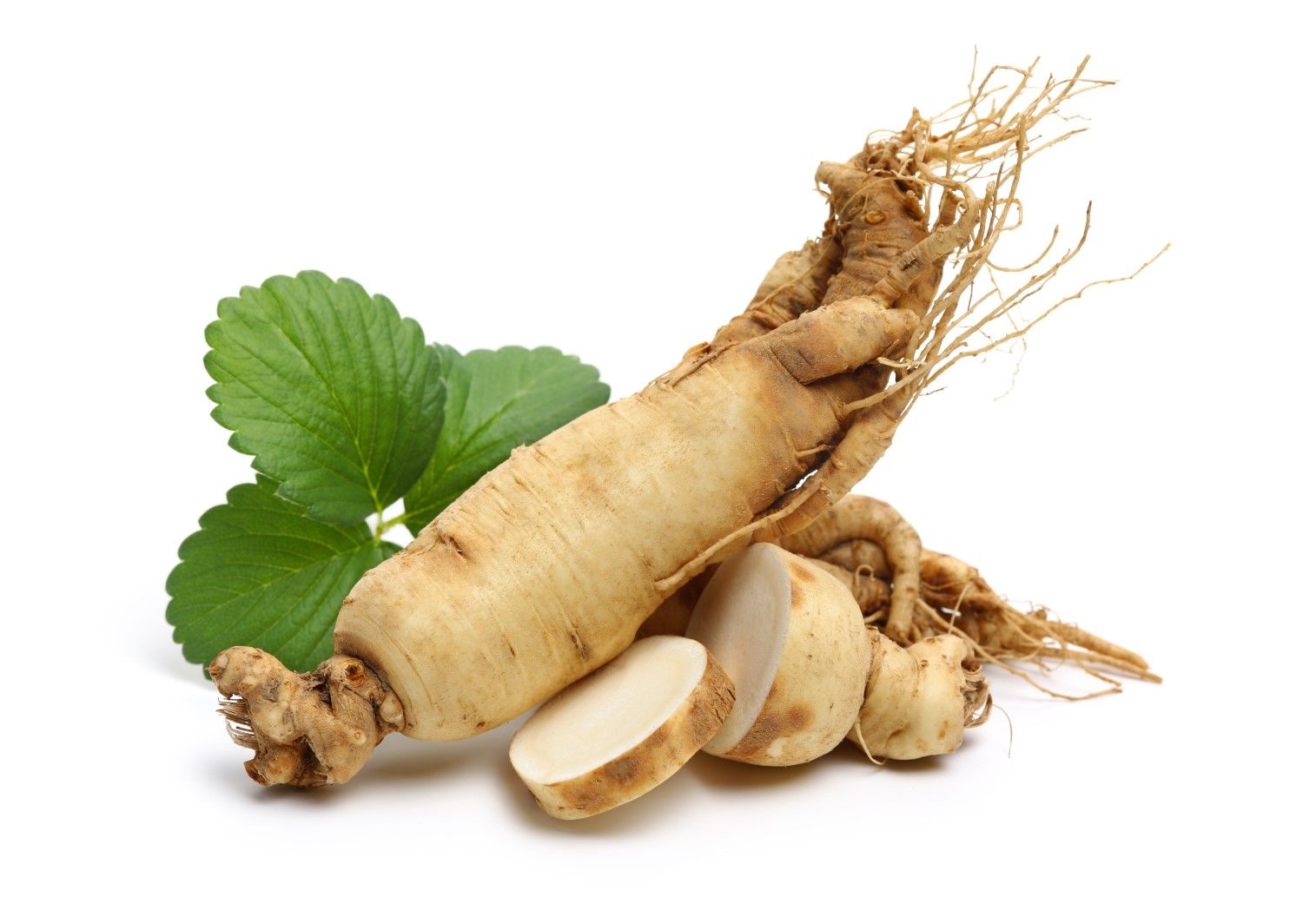
Jiaogulan
Gynostemma pentaphyllum (jiaogulan, five-leaf ginseng) is an herbaceous, dioecious creeping herb. It is widely spread in South and East Asia. Its name refers to its serrated leaves that usually grow in groups of five. For medicinal purposes, the above-ground parts, mostly the leaves are used. Although in a taxonomical way it has no relation to the genus Ginseng, the plant is also called five-leaf ginseng, since its effects and active ingredients resemble that of Asian ginseng.
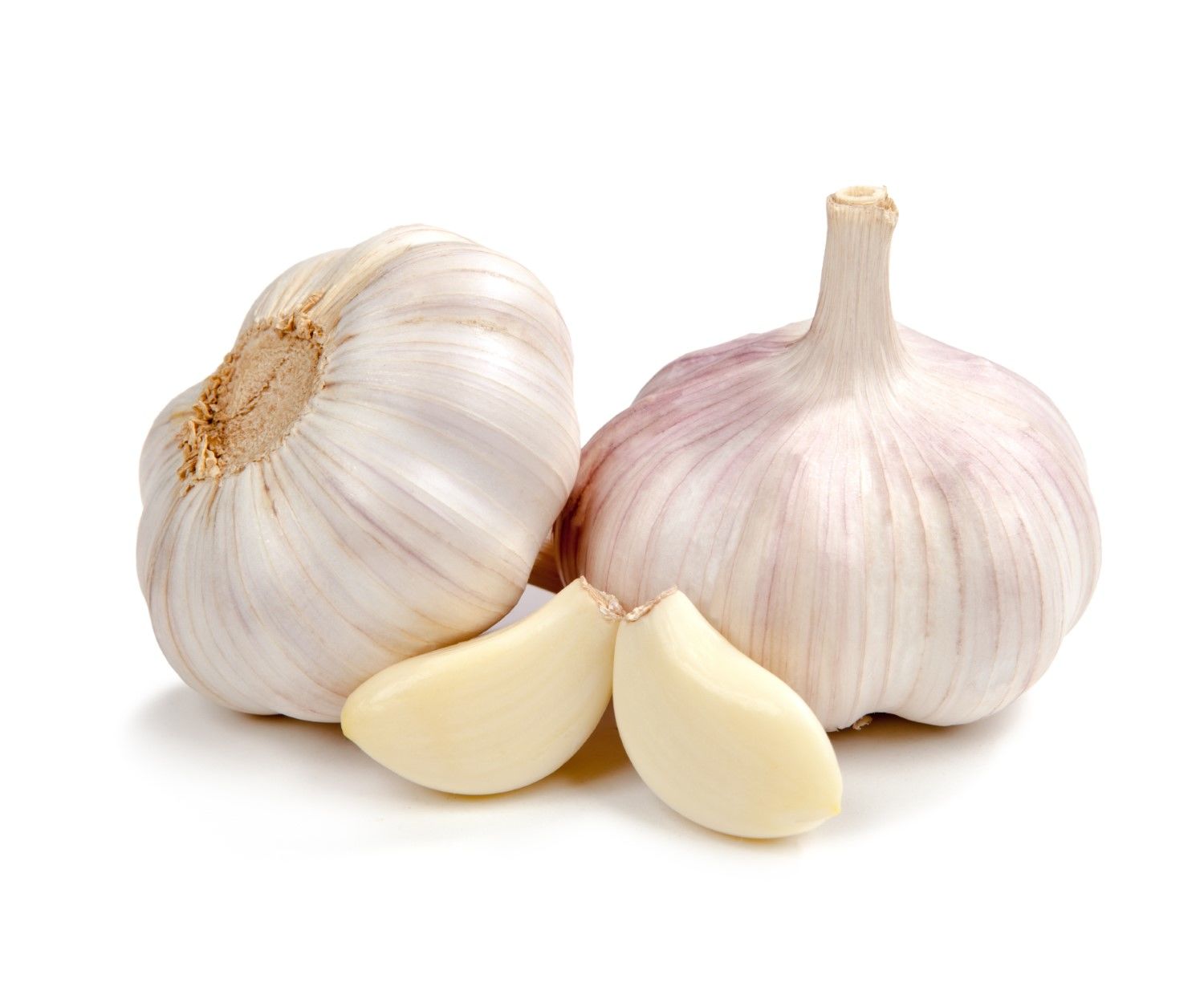
Garlic
Garlic is a widely known spice used since the ancient times; nowadays it is one of the most popular herbs. Its underground part (bulb) is used for medicinal and nutritional purposes as well. The processed product contains the dried (often freeze-dried) bulb in a powdered form, or the oily extract of garlic, or rarely its essential oil. Chemicals with a characteristic odor containing sulfur are responsible for the effects of garlic.
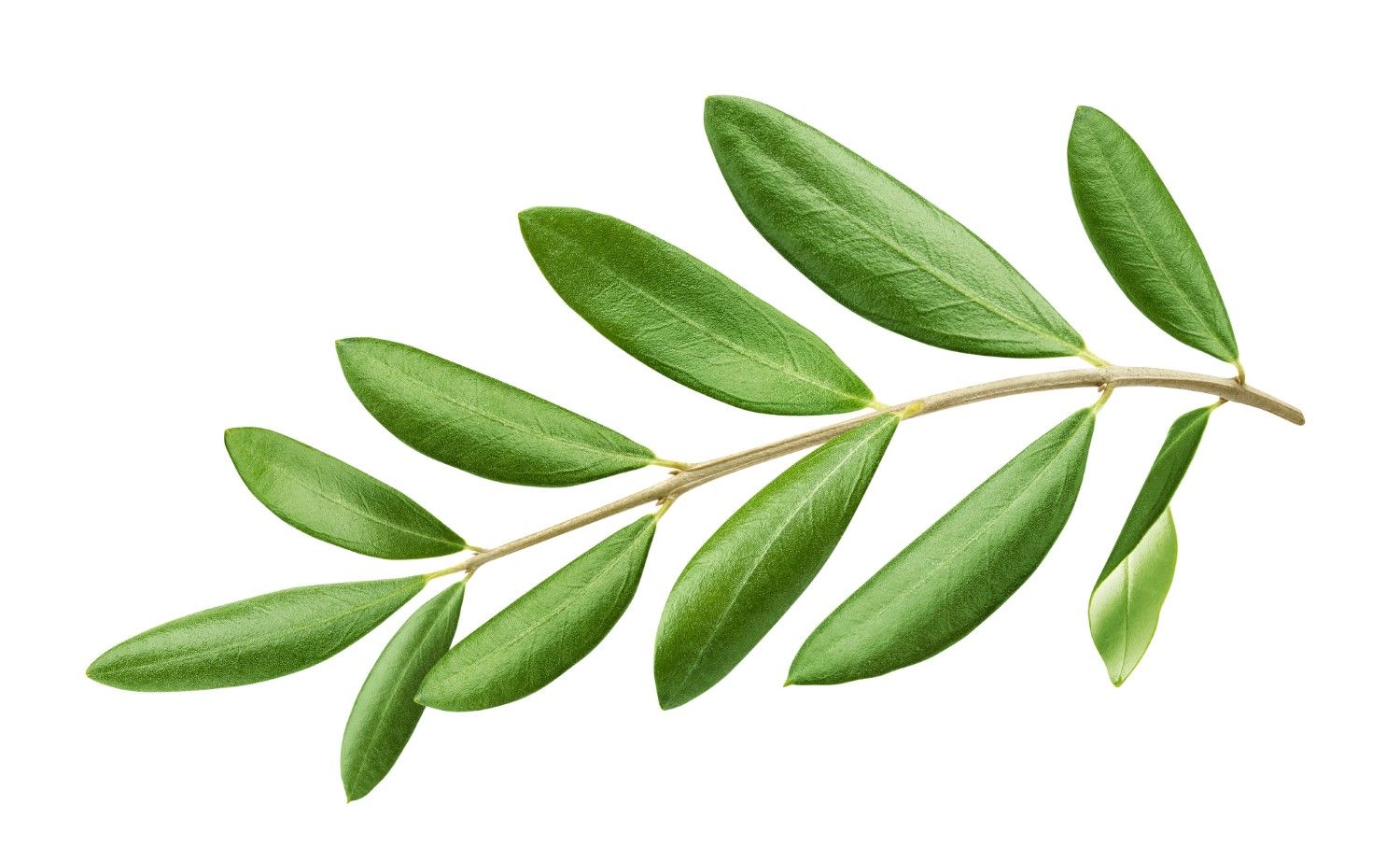
Olive leaf
Olive tree is a native fruit tree in Asia Minor and Syria and is a cult and industrially significant plant that is cultivated in the whole area of the Mediterranean Sea. Its leaves are traditionally used for the treatment of hypertension and as a diuretic and cholagogue. In modern medicine they use its leaves and the oil acquired with cold pressing from the olive fruit as a solvent for medicinal products and as a component of cremes.
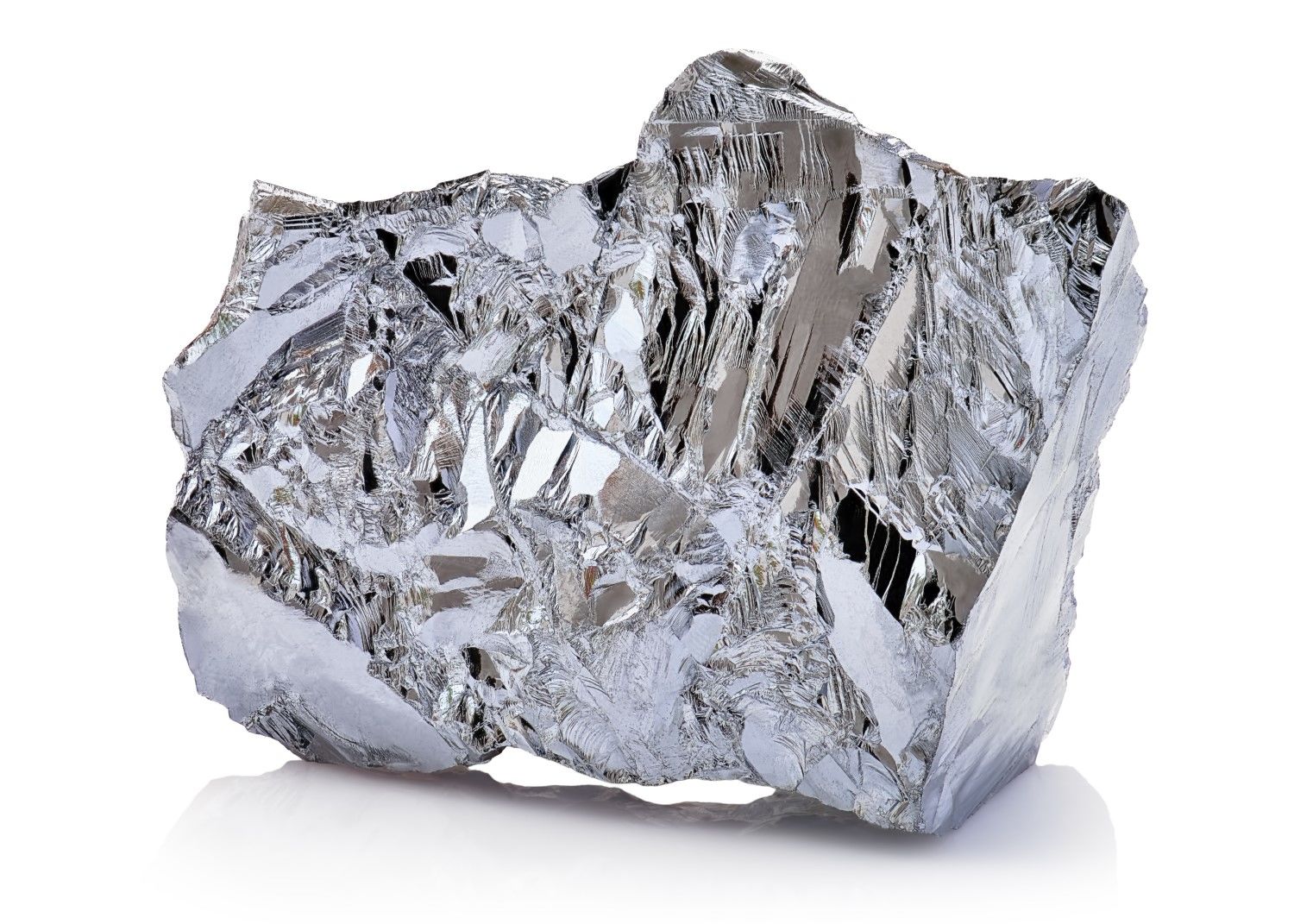
Chromium
Chromium is an important trace element that has a role in the mitigation of blood sugar regulation disorders, and the maintenance of normal blood sugar levels. To ensure the increased demand for chromium originated from increased physical activity, athletes consume it in a targeted manner. Chromium occurs in natural nutrient sources in a small quantity (whole meal grains, meat, liver, legumes), but only 1–2% of chromium compounds is absorbed. Chromium supplement is usually done by organic bound compounds, or (as in this product), with yeast containing chromium. This provides a good dosing possibility and adequate absorption.
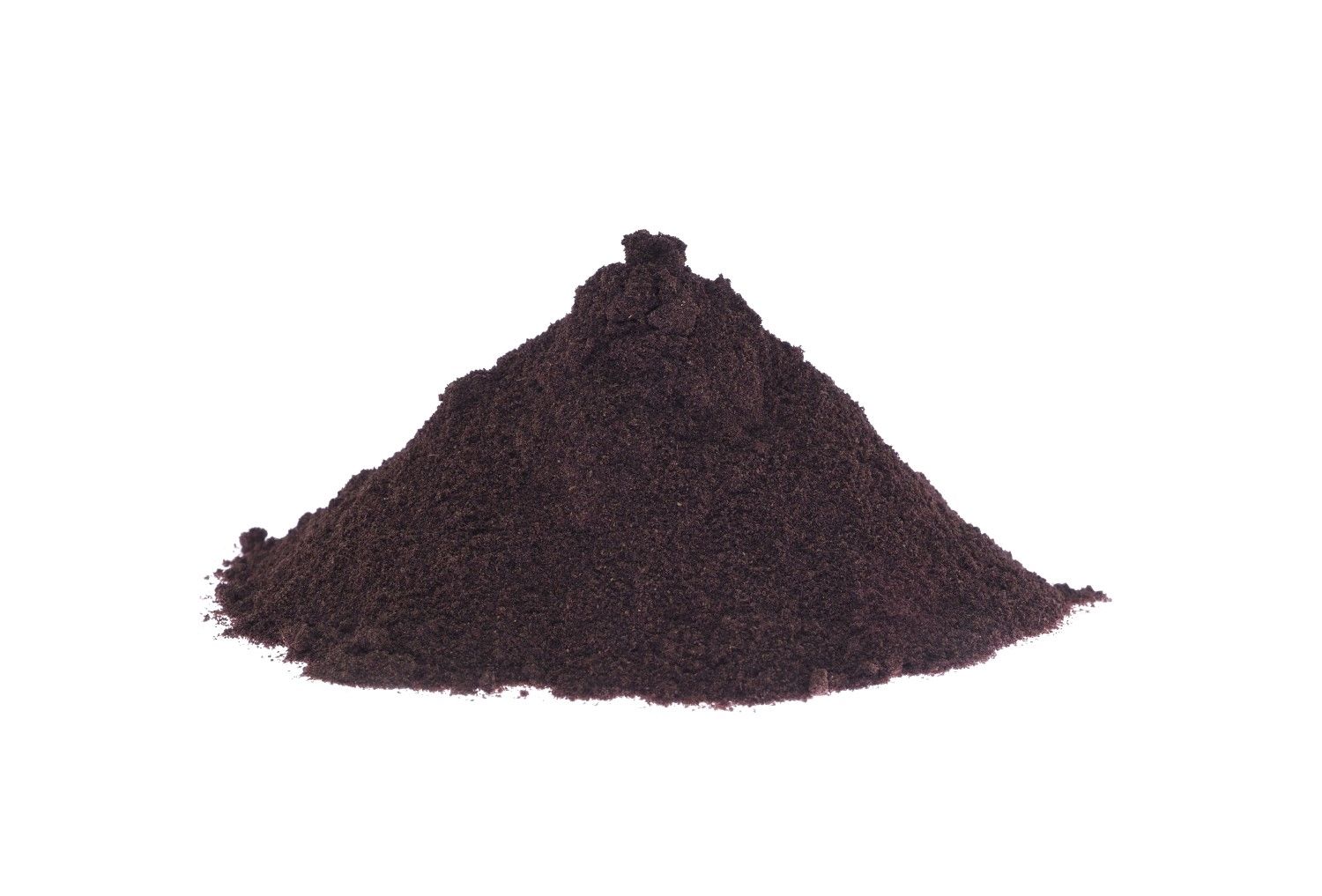
Resveratrol
Resveratrol is a natural antioxidant compound that can be found in several dietary plants. Its most known source is the blue grapes skin, but it can also be found in significant amount in mulberry, raspberry, and blueberry. The herb with the highest resveratrol content is the Japanese knotweed (Fallopia japonica).
Metabolic Update, the daily essential for healthy metabolism
Az első benyomások nagyon jók!
by Katalin42
Tetszik!
by Irénke
Maximálisan ajánlott!
by L.Gabriella
tökéletes napi támogatás a szervezetemnek!
by nemecsek
működik
by edina1989
csúcsminőség és a legjobb alapanyagokból készült termék
by júlia_T
101% Százalékos elégedettség.
by Petra Kökény
Nem terheli a szervezetem
by k.istvan
nagyon bevállt és segített
by Lakatos_István
jó szívvel ajánlom mindenkinek
by szilágyi
Nem is kell több :)
by rebeka_zsiga
Már két hónapja szedem a terméket, és imádom.
by editt_55
Egy próbát mindenkinek megér.
by Andreahalász_
Aki keres az talál, én megtaláltam...
by Andres_Sze
úgy érzem segít
by _ylona_
Mindenre is jó.
by JakabAndris
Nagyon természetes
by ditte_82
szuper hatásokkal bír
by bencedal84
Teljesen elégedett vagyok a termékkel.
by SzabadosPetra
Aki hasonló panaszokkal küzd, bátran ajánlom.
by Alexandra_Puskas
Vegán, vegán, vegán!
by Bernadett
Első benyomásra nagyon okés.
by k.csilla.
köszönöm
by erdelyi65
Szeretnék még belőle.
by kLia
jobban érzem magam, majd meglátjuk hosszabb távon is
by gizella47
Igyekszem megelőzni a bajt.
by Andrásh_26
Szerintem érdemes kipróbálni
by Erika_e
Végre megvan a megoldás.
by Anikó_Som
Gyors, pontos, egyszerű rendelés...
by Izabella_bella
gyorsaság és minőség.
by nusi
hosszútávon kell gondkozni
by CsongorCsongor
Megfelelő minőség és hatás!
by MKristóf
Jó volt az első benyomás
by l.péter
egyik szemem sír a másik nevet
by _Boglárka85_
Jó termék
by simona
Megérte kipróbálni...
by juditnémeth
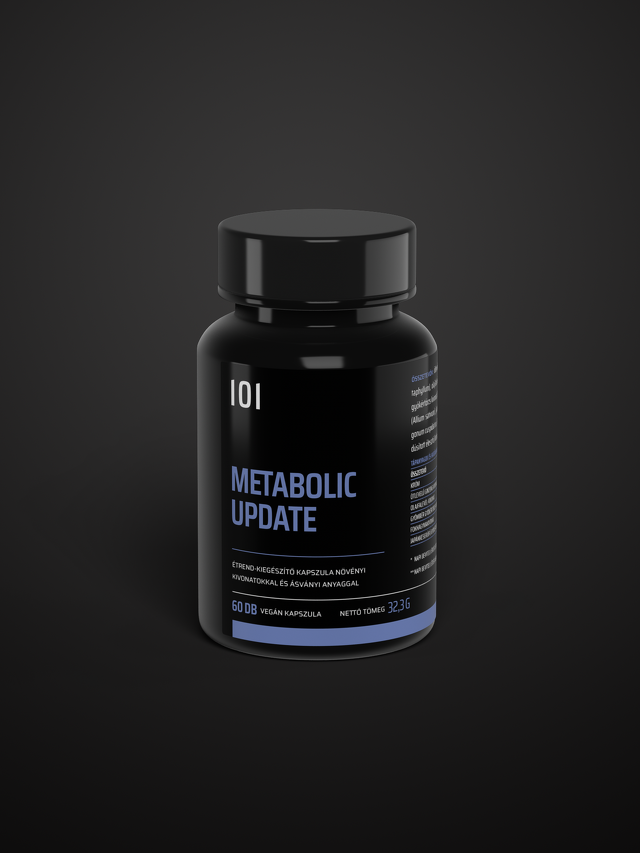
Metabolic Update metabolism booster supplement
Everything you need to support your metabolism! A powerful mix of natural ingredients which is developed to help you maintain normal blood pressure, blood sugar, lipid, and cholesterol levels.
100% money back guarantee!
We offer you a 100% satisfaction guarantee! Within 60 days you can refund your purchase if you are not satisfied with it for any reason. Click here for details!
Shipping costs will be calculated at checkout.
You can redeem your coupon at the checkout.
