Beta-glucan
Beta-glucans are polysaccharides made up from glucose units that can be found in certain bacteria, fungi and the cell wall of plants. Its most common source is the cell wall of a single-celled fungus, brewer’s yeast (Saccharomyces cerevisiae), but miller’s bran (for example oat bran and barley bran), some eelgrasses, and algae also contain beta-glucans.

The structure of beta-glucans from different sources, and therefore their effects, may be different. Beta-glucans derived from cereals (oat, barley) have a linear structure and can be dissolved in water, while the compounds of gilled mushrooms and yeast are not water soluble and have a branched structure. Compounds originated from mushrooms have shorter side chains while they are longer in beta-glucan originated from yeast.
Although the immunomodulatory effect is a common property of beta-glucans, its degree and type is different. Beta glucans support the immunologic defenses by enhancing the function of macrophages and natural killer cells. They increase the production of so-called chemotactic agents in immune cells, which activate other immune cells via the bloodstream and guide them to the location of the infection. This effect is similar to the case of infections when the encounter with pathogens increases the activity of immune cells. It seems that immune procedures for fighting pathogens can be enhanced with beta-glucans. This connection may be explained by the fact that our immune system identifies pathogens by polysaccharide molecules similar to beta-glucans.
Due to their immunomodulatory effects, beta-glucans are used for the prevention of upper airway infections and the decrease of allergic symptoms. Due to these effects, they are used in the palliative treatment of severe chronic diseases, but their effectiveness in these diseases is not well established. In higher doses, they are used for the reduction of cholesterol and blood sugar levels.
While the cholesterol and blood sugar decreasing effect of beta-glucans is present regardless of the exact type (they decrease the absorption of cholesterol and sugar), immunomodulatory effects are different based on the chemical compound type. For the reliability of the immunomodulatory effects the exact structure and configuration is important, so the results with certain specific beta-glucans cannot be generalized to the whole chemical compound group.
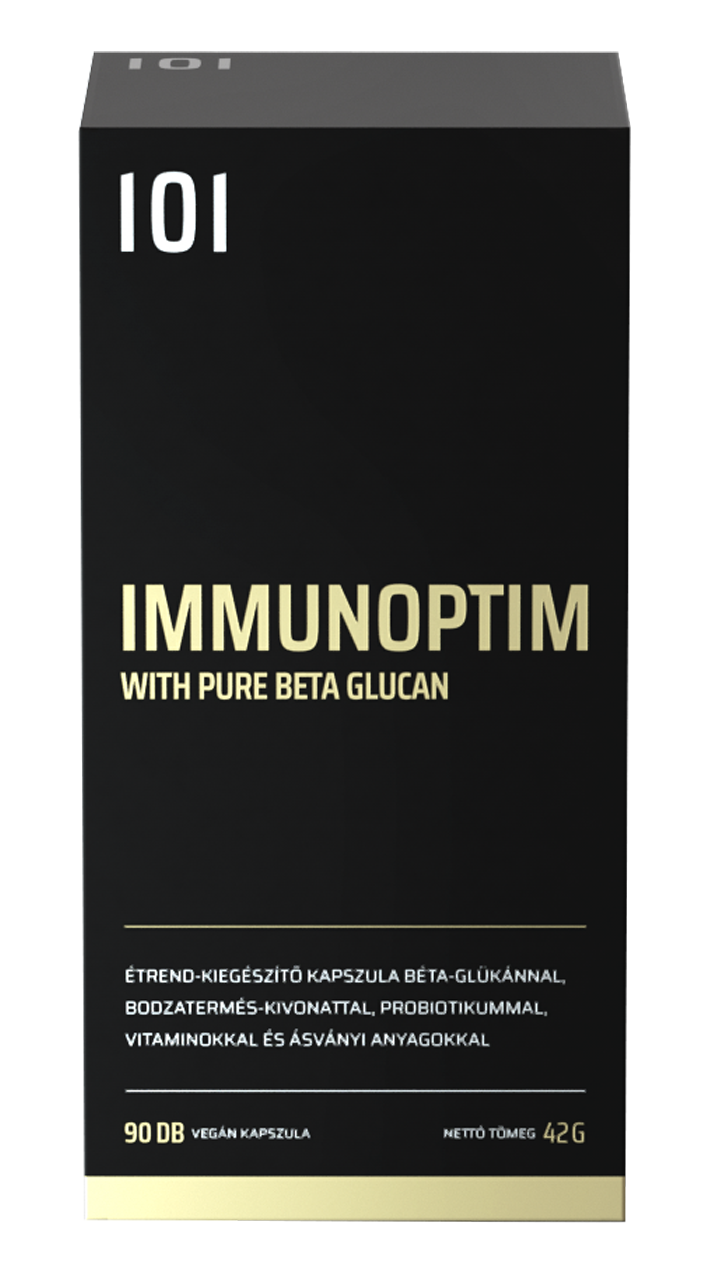
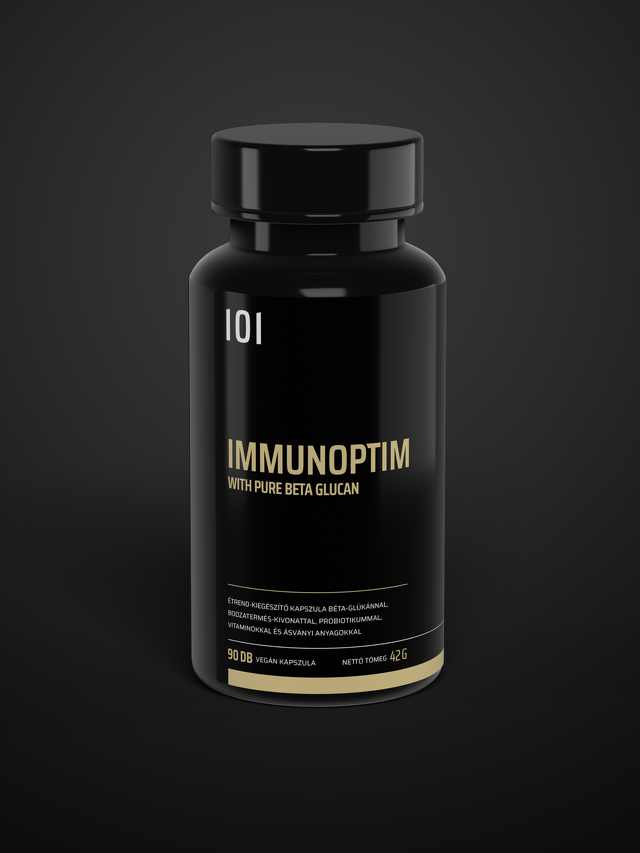
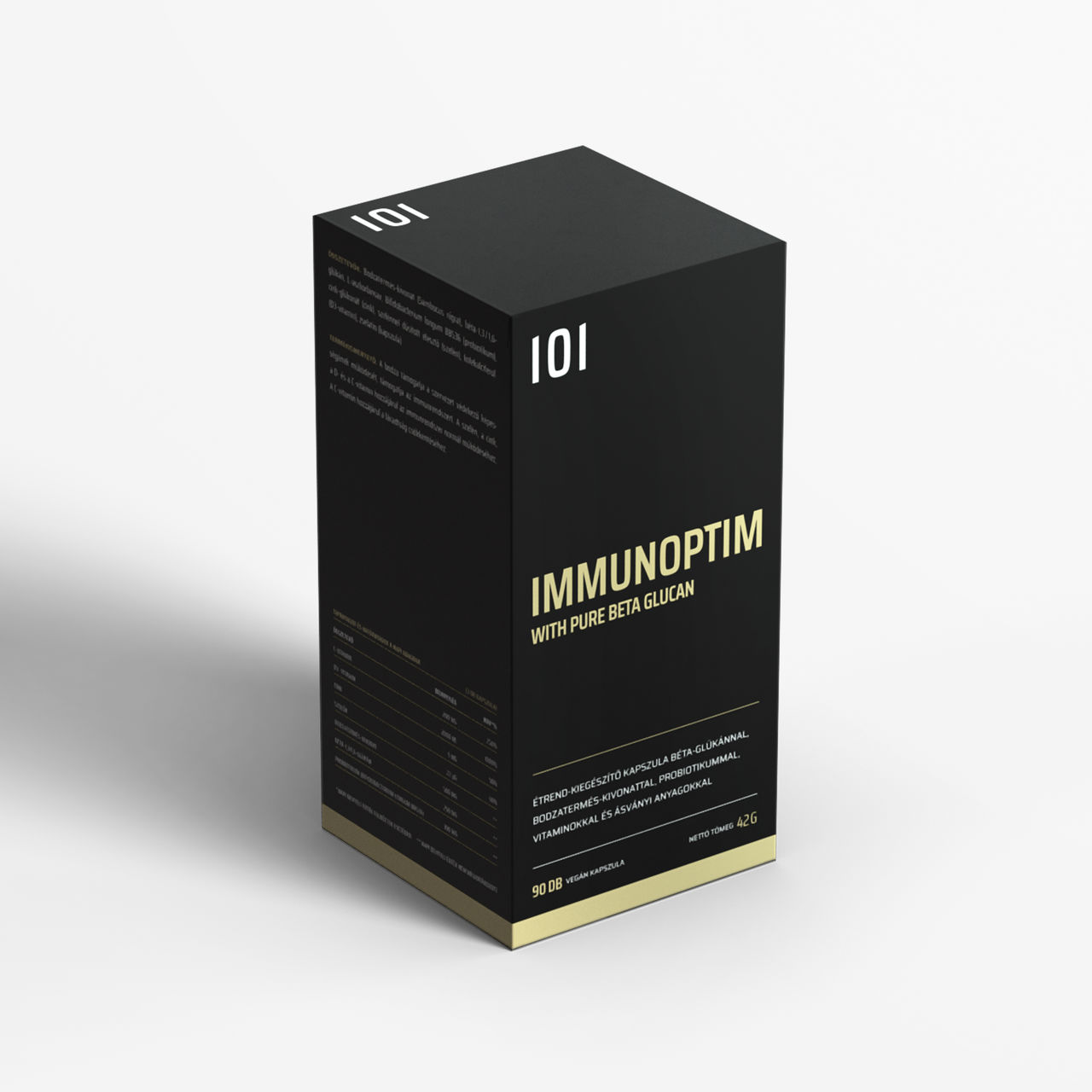
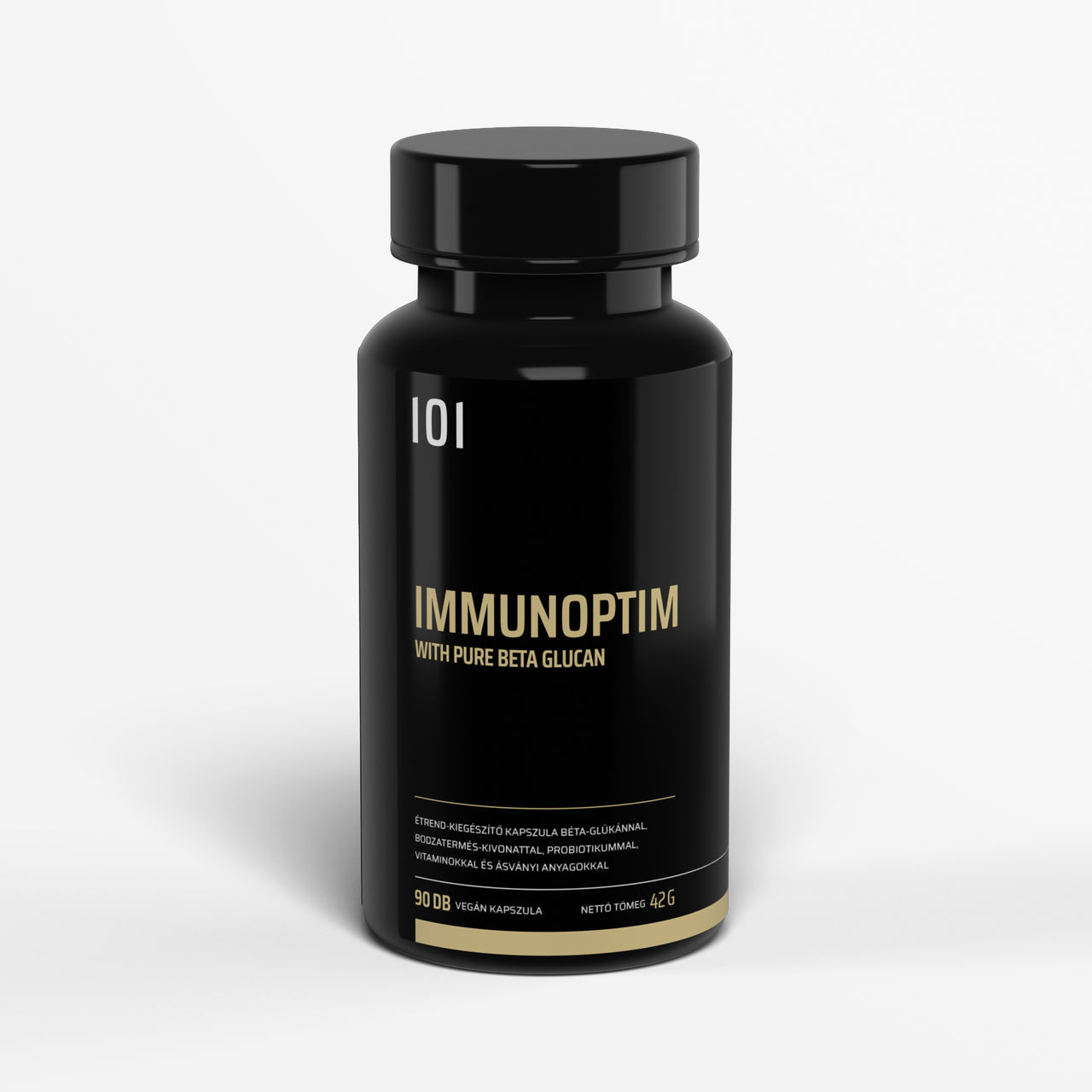
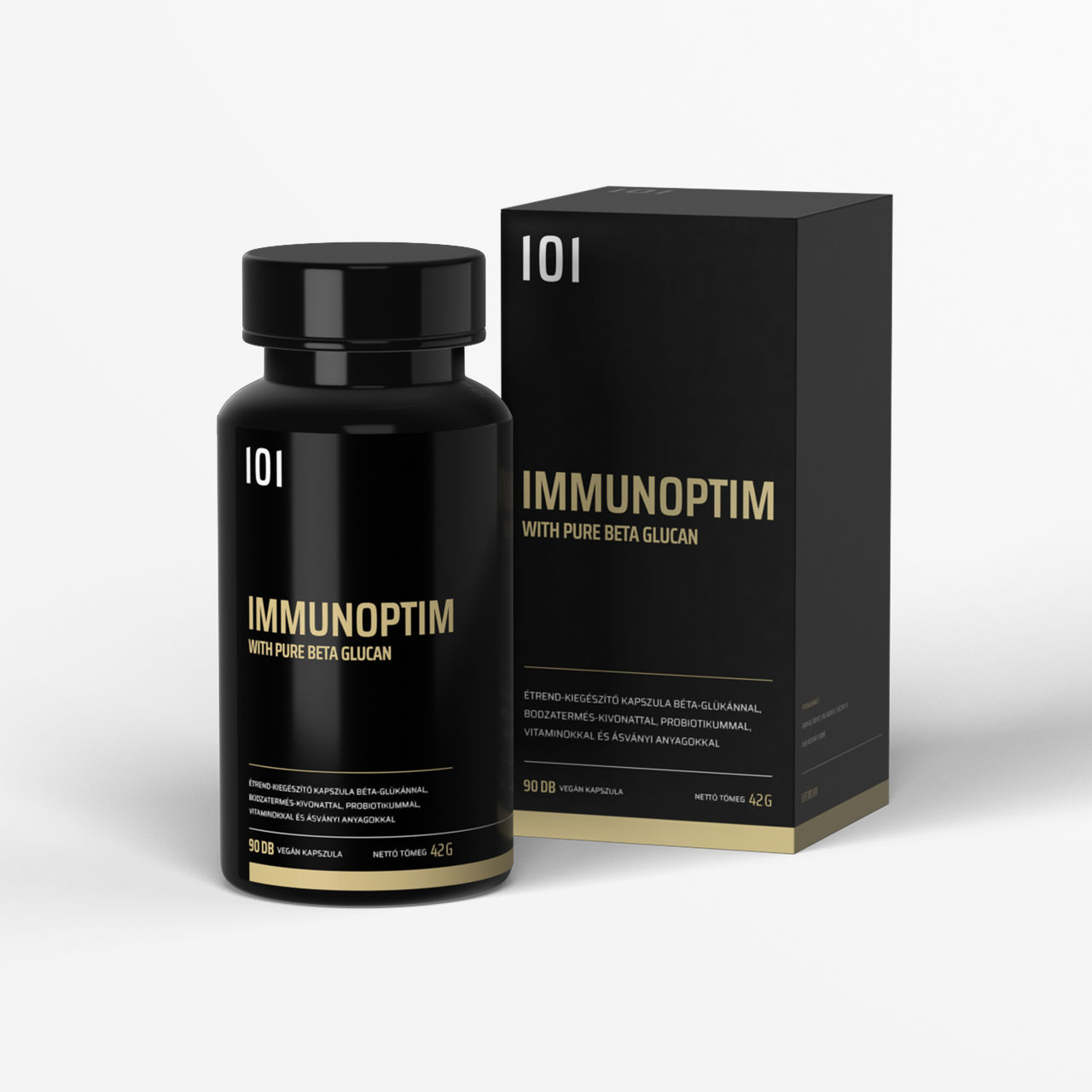
We use a beta-glucan (Wellmune®) derived from yeast in which glucose units are linked by 1,3/1,6 bonds. The compound acts on the innate immune system. The innate immune system identifies pathogens through the molecular patterns of microbes/pathogens (MAMP/PAMP); beta-glucans are identified the same way by the cells of the immune system. After this, molecules are internalized by macrophages, and they externalize fragmented beta-glucans, so certain immune cells that have multiple receptors (e.g., dectin-1 and CR3) that can detect them get in contact with these molecules. After, immune cells react with phagocytosis and oxidative explosion, which increases the protective reaction against the pathogenic organism.[1]
Its effect on the immune system was reviewed in randomized, placebo controlled clinical trials. It was demonstrated in athletes that, when compared to placebo, Wellmune® decreased the duration and severity of airway diseases. In a study with athletes, the concentration of IgA in saliva was proven.[3] Immunosuppression (decrease in the number of lymphocytes and monocytes) after exercising could be mitigated with Wellmune®.[4] In a study with elderly people it was described that those who took Wellmune® experienced upper airway infections less frequently and the intensity of their symptoms was lower.[5] After taking Wellmune®, the frequency of upper airway infections decreased in university students as well.[6] A study performed with small children (1–4 years) had similar results.[7]The decrease of airway infections and mood improvement was registered in women with psychological stress.[8] In one trial, Wellmune® decreased the frequency of absences from school/work due to upper airway infections when compared to placebo.[9] In a trial with firefighters, the decrease of the risk of the common cold and the improvement of feeling healthy was reported.[10]
The efficacy of Wellmune® was also studied in allergic patients. In one trial conducted with subjects allergic to ragweed pollen, the effect of beta-glucan was studied in a placebo-controlled design. After a few weeks of Wellmune® treatment the allergic symptoms were significantly decreased, the quality of life increased and it improved the quality of sleep as well.[11]
Probiotic
Probiotics are products containing living microorganisms that when used in an adequate amount can trigger positive physiological effects in the body. The microorganisms living in symbiosis with our body mostly live in the large intestine, in an amount equivalent to 2—3 kgs, with a few more than 100 billion cells that help maintaining the biological balance of the body. The gut flora, also known as the microbiome or the protective bacteria, has several physiological functions. It has a role in digestive procedures, and multiple vitamins are synthesized in the body with the contribution of these gut bacteria as well. Gut bacteria increase the production of immunoglobulins, and the healthy gut flora inhibits the reproduction of pathogen bacteria, therefore protecting the body against infections. All in all, the gut flora is an indispensable part of the normal function of the immune system. Damage to the gut bacteria obviously decreases its function and the efficiency of the immune protection.
The upset of the gut bacteria’s balance can happen due to several reasons. It can be due to infections, insufficient nutrition, inflammation, stomach- and bowel diseases, or due medications (e.g., antibiotics). Certain components of the gut bacteria, for example the ratio of Bifidobacteria decreases with age. For keeping the gut bacteria healthy, and therefore maintaining the physiological functions of the microbiome, probiotics can be used with a preventive (prophylactic) or therapeutic purpose.
Damage to the gut bacteria (i.e., the decrease in protective bacteria or a shift in the composition of the healthy bacteria) causes a weakening in the probiotic function of the intestines. Damages to the intestinal flora can itself cause stomach and intestinal inflammations and digestive problems. The main area of application of probiotics is in the mitigation of diarrhea after infections (e.g., Clostridium difficile) or antibiotic therapy, and the alleviation of pain in the lower abdomen and bloating during the course of inflammatory intestinal diseases (irritable bowel syndrome, Crohn’s disease, ulcerative colitis). Bacteria based probiotics can be also used in the prevention of antibiotics induced diarrhea and the strengthening of the immune system.
It is a long-known fact that the sensitive balance of the gut bacteria is indispensable in the normal function of the white blood cells present in the lymphatic circulation of the bowels, that is why it is not surprising that taking microbes as immunostimulants is getting popular among the general public. Therefore, the selection of the ideal probiotic active ingredient still depends on the intended use. When there is a need for the supplementation of the masses of protective bacteria, bacterial mixtures are advised, while in case of antibiotics induced diarrhea and traveler’s diarrhea, yeast type probiotics are more beneficial; however, it is not a mistake to use bacterial probiotics in the latter case. Probiotics taken in the correct amount restore the balance of the gut microbiota and support the protective system’s correct function, the protection against pathogens.
In our products, we used a probiotic bacterial strain that’s effects have been studied in several clinical trials. Bifidobacterium longum BB536 is isolated from the intestines of healthy infants; therefore, it is nature-identical for humans. Its advantage is that acid (hence gastric acid) does not damage it. This strain is manufactured by a Japanese manufacturer and is currently used in more than 30 countries across the world.
In a placebo-controlled study, it was found that BB536 increases the efficacy of influenza vaccines. From the vaccinated group, out of those subjects who received BB536, less subjects contracted the virus and fewer subjects experienced fever, and the immunological effect of BB536 could be demonstrated in laboratories.[12] BB536 increases the production of IgA and has a beneficial effect on the number of NK-cells that promote the work of the immune system.[13] BB536 has a beneficial effect on the operation of TH1 cells as well.[14] In a placebo-controlled, double blind study, a triple combination of probiotics (one of which was BB536) significantly decreased the symptoms of allergic rhinitis. This also presumes an immunological effect.[15]
Elderberry
Elderberry is a commonly known herb that’s flower has been consumed as tea for a long time. Its fruit is commonly known as food (marmalade, syrup), but studies of recent years have shown that it has a role in the treatment of upper airway infections.

Elderberry fruit contains anthocyanins in large quantities (this chemical provides its color). These chemicals have antiviral effects against airway viruses (influenza, rhino- and coronaviruses) [16], and with its effect on the immune system, they help in the protection against viruses.[17]
Studies about the elderberry fruit extract showed that it accelerates the recovery procedure in patients infected with influenza (with 4 days) and it decreases the symptoms of the disease (less medication was needed for the relief of the symptoms).[18] A similar effect (shortening of recovery period) was found in case of common cold.[19] The reanalysis of the results of the clinical trials (meta-analysis) have confirmed these findings.[20]
Based on the health claim that is under evaluation at the European Food Safety Authority
- , the elderberry fruit supports the defense ability of the body and supports the immune system (2133).
Selenium
Selenium is an indispensable trace element for the human body that is necessary for the activity of several enzymes, but it also has an important role in the maintaining of the immune function.
The daily reference intake for selenium is 55 micrograms. It is used in dietary supplements as inorganic salts and organic compounds (selenomethionine, yeast enriched with selenium). Organic forms are usually absorbed to a higher extent from the bowels, so in this product, we used selenomethionine, which has a good bioavailability.
Selenium is the component of the so-called selenoproteins that are important antioxidants of the body. In these proteins, selenium is bound to amino acids (selenomethionine and selenocysteine). The human body is not capable of producing selenomethionine, so this amino acid needs to be taken with food. Signs of the lack of selenium include tiredness, sleepiness, decreased fertility and sometimes hypothyroidism, but the deficiency causes the immune system to function insufficiently.
According to a meta-analysis, daily taking selenium in the reference amount decreases the risk of certain tumor types when compared to those whose diet does not contain additional selenium.[21] Supplementing selenium decreases the level of total cholesterol and triglycerides according to the meta-analysis made from the studies.[22] Subjects with Alzheimer’s disease have decreased selenium levels in the brain compared to healthy subjects, which may be in connection with the antioxidant effects of selenium.[23]
According to the health claim approved by the European Food Safety Authority (EFSA), selenium
- contributes to the normal function of the immune system.[24]
Zinc
Zinc is the second most important essential mineral (after iron). It has a deposit of approx. 2 g in the living body. Zinc can be found in both organic and inorganic bonds in dietary supplements. The organic form has a better bioavailability and does not cause stomach problems.
Zinc is often used for strengthening and the support of the immune system. It contributes to the optimal function of immunological procedures, it supports nonspecific protective mechanisms and acquired immunity as well. The connection between zinc consumption and immunological procedures has been studied in several studies. The results do not confirm unequivocally that zinc compounds have advantageous effects, but the difference between the bioavailability of different forms may be the source of contradictions. The beneficial effects of zinc supplementation are significant in case of signs and symptoms due to zinc deficiency, so it is certain that in case of zinc deficiency, the function of the immune system decreases.
According to the health claim approved by the European Food Safety Authority (EFSA), zinc
- contributes to the normal function of the immune system.[25]
Vitamin D
Vitamin D has a steroid structure, and over having vitamin effects, it has various other biological effects as well. For the human body, vitamin D3 and D2 are the most important (cholecalciferol, ergocalciferol).
Vitamin D is a special vitamin: the human body can produce it, and its effects go far beyond its vitamin functions – it is considered an important hormone for the human body. Vitamin D is produced in the human body due to sunlight. Since most people do not stay on the sun until the time necessary for acquiring the appropriate amount of vitamin D, and since the average diet does not contain enough vitamin D, most people in the population require the supplementation of vitamin D.
At the end of the winter, more than 90% of the Hungarian population has vitamin D deficiency, and 20% of them has a blood vitamin D concentration so low that it causes a direct, acute threat to the calcium circulation. If the vitamin D level of the population would be optimal, bone fractures, diabetes, certain tumorous diseases and airway diseases would be considerably rarer.
The effect of vitamin D on the immune system, apart from that it is necessary for its normal function, is very widespread. According to several clinical studies, the supplementation of vitamin D shortens the duration of cold like diseases and the flu, and several diseases occur with milder symptoms than in those who do not take vitamin D.[26] In a multiannual study, the subjects who regularly consumed vitamin D had a decreased frequency of urinary tract infections.[27] It was shown that new cases of multiple sclerosis are diagnosed more often in early spring, in a vitamin D deficient state, although this disease cannot be either prevented or effectively treated with vitamin D supplementation, according to meta-analyses.[28] Systemic lupus erythematosus is an autoimmune disease that goes together with low vitamin D levels, and if patients take vitamin D, their symptoms improve.[29]
Previously vitamin D was considered important because of its effect on bone protection and bone formation. To reach its effects in bone metabolism, it is enough to take 200 IU/day. Other effects require a bigger amount, based on medical recommendations, the ideal daily intake of vitamin D is 1500–2000 IU. In our product, the dose of this vitamin was determined according to these information.
For the supplementation of vitamin D, vitamin D3 is preferred, because it increases the blood calcium levels to a lesser extent, it is better absorbed, and it is more stable chemically. We used this form to make our product.
According to the health claims approved by the European Food Safety Authority (EFSA), Vitamin D
- contributes to the normal function of the immune system.[30]
Vitamin C
Vitamin C is a water-soluble vitamin that is indispensable for the healthy function of the human body. Several plant and animal can generate vitamin C from simple sugars (D-glucose, D-galactose), but the human body is not capable of doing this, so to prevent deficiency disease, the intake of a few ten mg of vitamin C is necessary. In a healthy diet, vitamin C is a common ingredient of vegetables and fruits, so with a balanced diet, the necessary amount for the vitamin effect can be reached. In the human body, there is a deposit of approximately 1500 mg vitamin C, and with completely loaded deposits, a significant part of the 200 mg vitamin taken daily is excreted through the kidneys with urine.
Although the necessary amount can be taken with diet, if the intake cannot be provided due to dietary habits or a disease, supplementation of vitamin C may be reasonable.
Vitamin C is essentially important for the healthy functioning of the human body. Vitamin C is essential for several biochemical procedure and transformation (as a strong reducing agent it takes part in oxidation processes) and has an outstanding role in the normal function of the immune system. Ascorbic acid is a great antioxidant, and due to this property, it protects the other ingredients of the product from oxidation.

In case of vitamin C deficiency, the cellular immune response may become insufficient. The 200 mg found in the product is enough for the normal function of the immune system, if the intake is increased, the absorption decreases, and it puts a load on the kidneys and increases the risk of kidney stones. For people living an average lifestyle, it is not proven that the intake of a megadose of vitamin C would contribute to the prevention of diseases or accelerate the recovery process.[31]
The European Food Safety Authority (EFSA) positively approved several health claims about vitamin C. According to these,
- it contributes to the normal function. [32]
- of the immune system and decreases tiredness.[33]