Bacopa
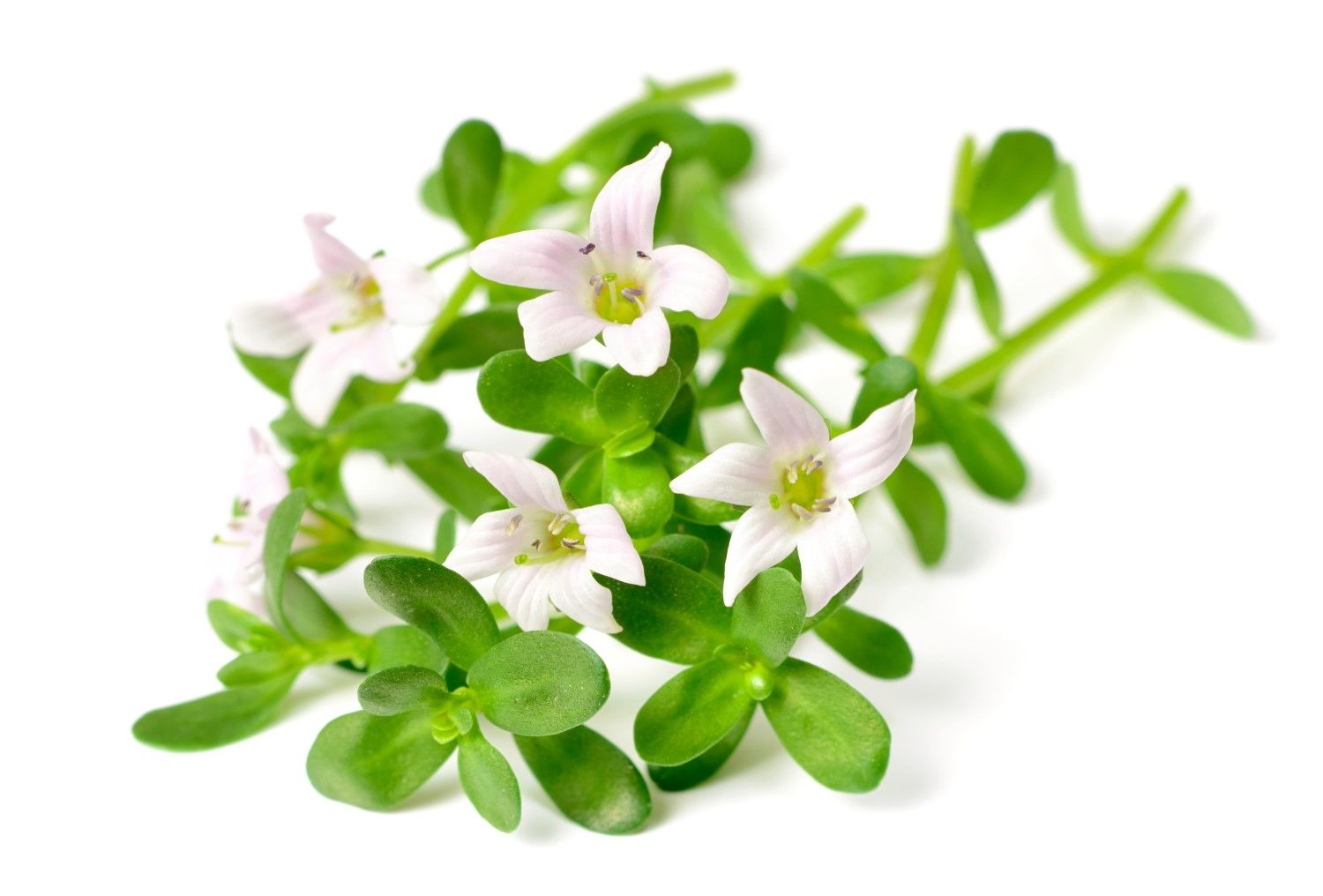
Waterhyssop (Bacopa monnieri) is a creeping herb native to Asia, but also lives in other parts of the world, such as Europe. It is an important herb in ayurvedic medicine. Bacopa is principally used for its mental performance enhancer effect, but in ayurvedic medicine, it has several other uses as well.
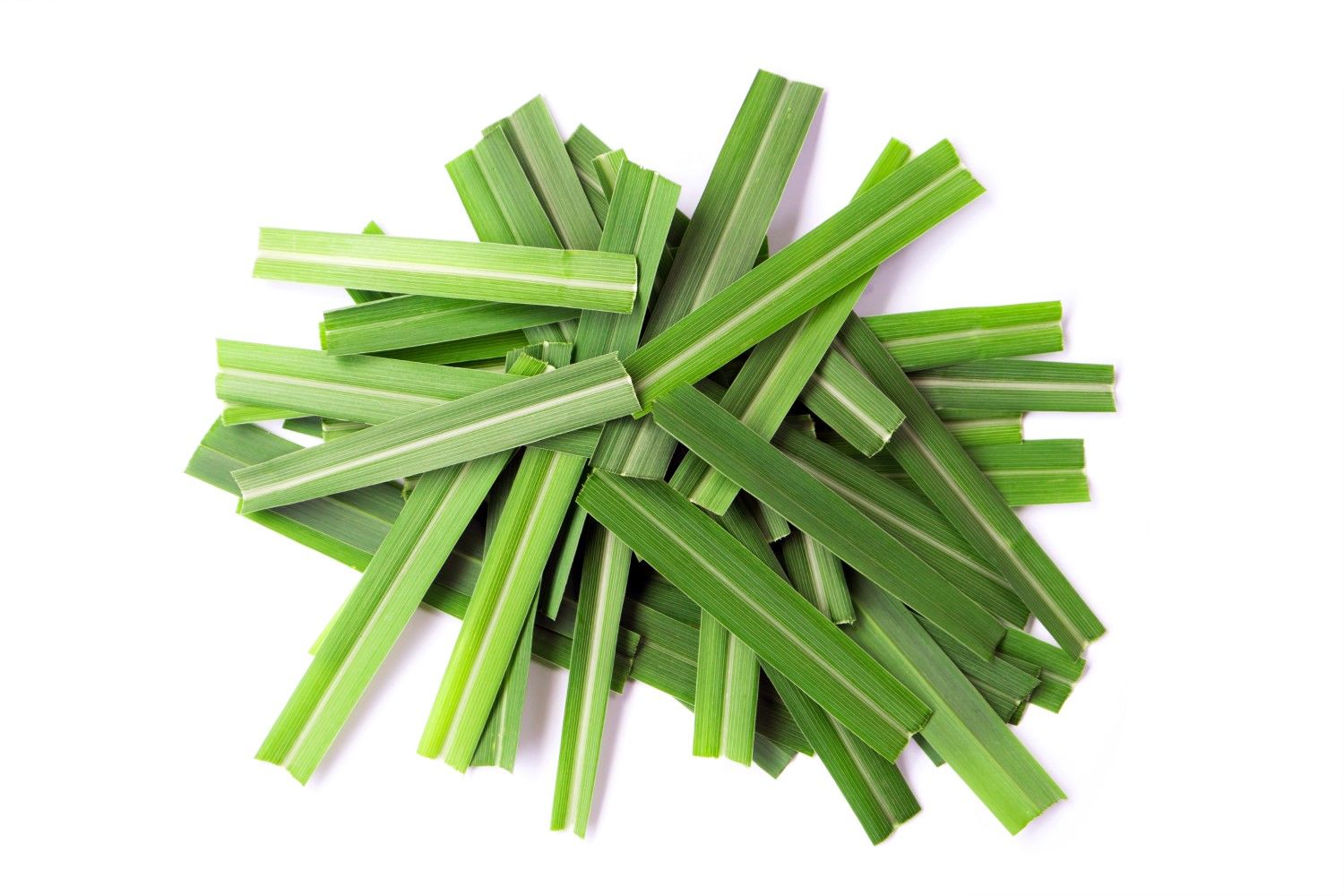
The plant usually contains triterpenoid saponin structured bacosides. Bacopa extract protects neurons in multiple ways, and it supports the nervous system: it is an antioxidant, it reduces the deposition of amyloids and inhibits the acetylcholinesterase enzyme. The latter two effects may have a role in the treatment of Alzheimer’s disease, since this disease is characterized by the development of amyloid plaques and the low level of a transmitter called acetylcholine.
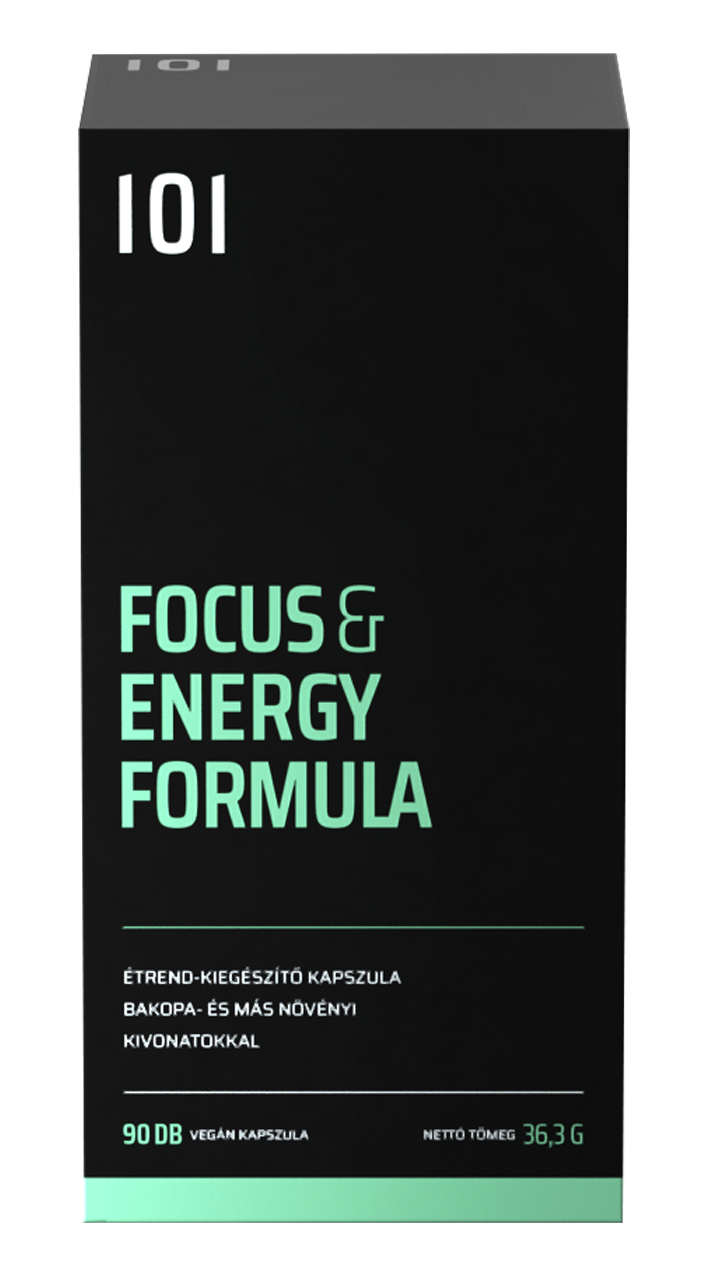
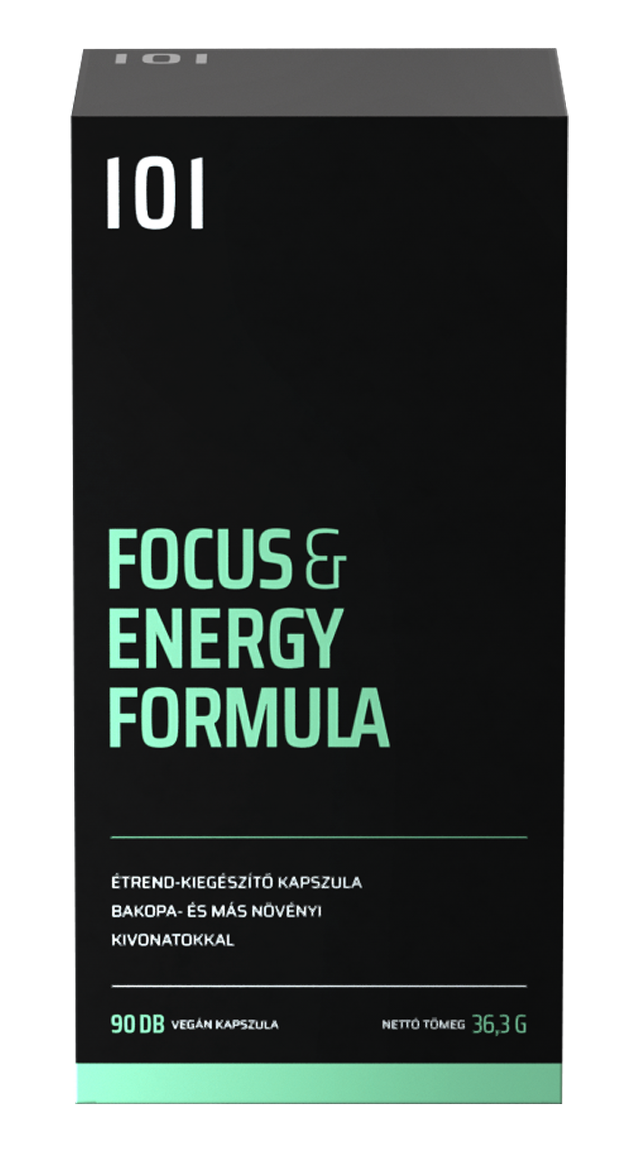
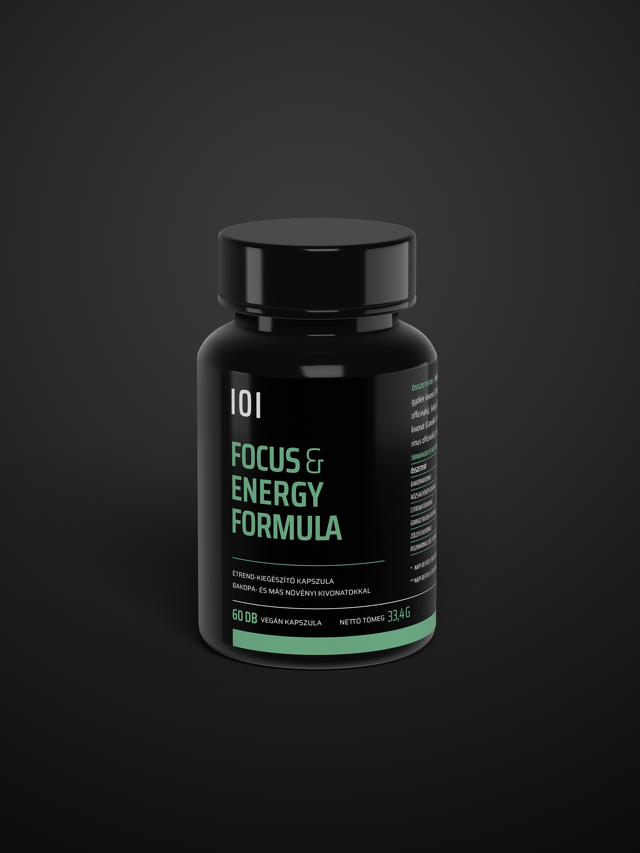
In our product, we used a special, standardized extract, the clinical efficacy of which was researched in several placebo-controlled, double-blind, randomized studies. The dose found in the product is equivalent to the dose used in the studies. It was shown that it improves the cognitive performance in the elderly (the recognition and thinking activities), it decreases stress and improves the mood in depression.[1] The regular intake of 300 mg/day improved the working memory.[2] According to a placebo-controlled, double-blind study, after a multiple weeks long treatment, 320 mg bacopa extract enhanced the processing of visual information and decreased the anxiety.[3] In university students it improved cognitive functions, including attention and memory.[4] Its improving effect on cognitive function was showed in the meta-analysis of clinical trials.[5] Above all, in an open clinical trial long-term treatment (6 months) improved cognitive functions in Alzheimer’s disease patients.[6]
In studies performed with other extracts, memory and mood improving effects were also shown in healthy adults. The decrease in cortisol level meant the decrease in stress.[7] In children, bacopa extract mitigated the symptoms of attention deficit disorder when compared to placebo.[8]
In case of Bacopa monnieri, the following pending health claims that are not yet evaluated by the European Food Safety Authority (EFSA) can be used for the information of costumers:
- it supports brain function, short and long-term memory, it may help in focusing and in fighting stress (2650)
- it supports the maintenance of cognitive functions and the maintenance of the normal blood supply necessary for the brain functions (3986)
Lemon balm
Lemon balm has a pleasant odor that resembles lemon. It blooms from June. It is collected when its leaves are in a bud, and its leaves or the above-ground stem are used in medicine.
Lemon balm has calming, antidepressive and neuroprotective effects that were proven in different experiments. It has proven memory and learning improving effects on animals that may be in connection with that it increases the concentration of a transmitter named acetylcholine in the brain and excites its receptor (acetylcholine deficiency is a characteristic of Alzheimer’s).[9]
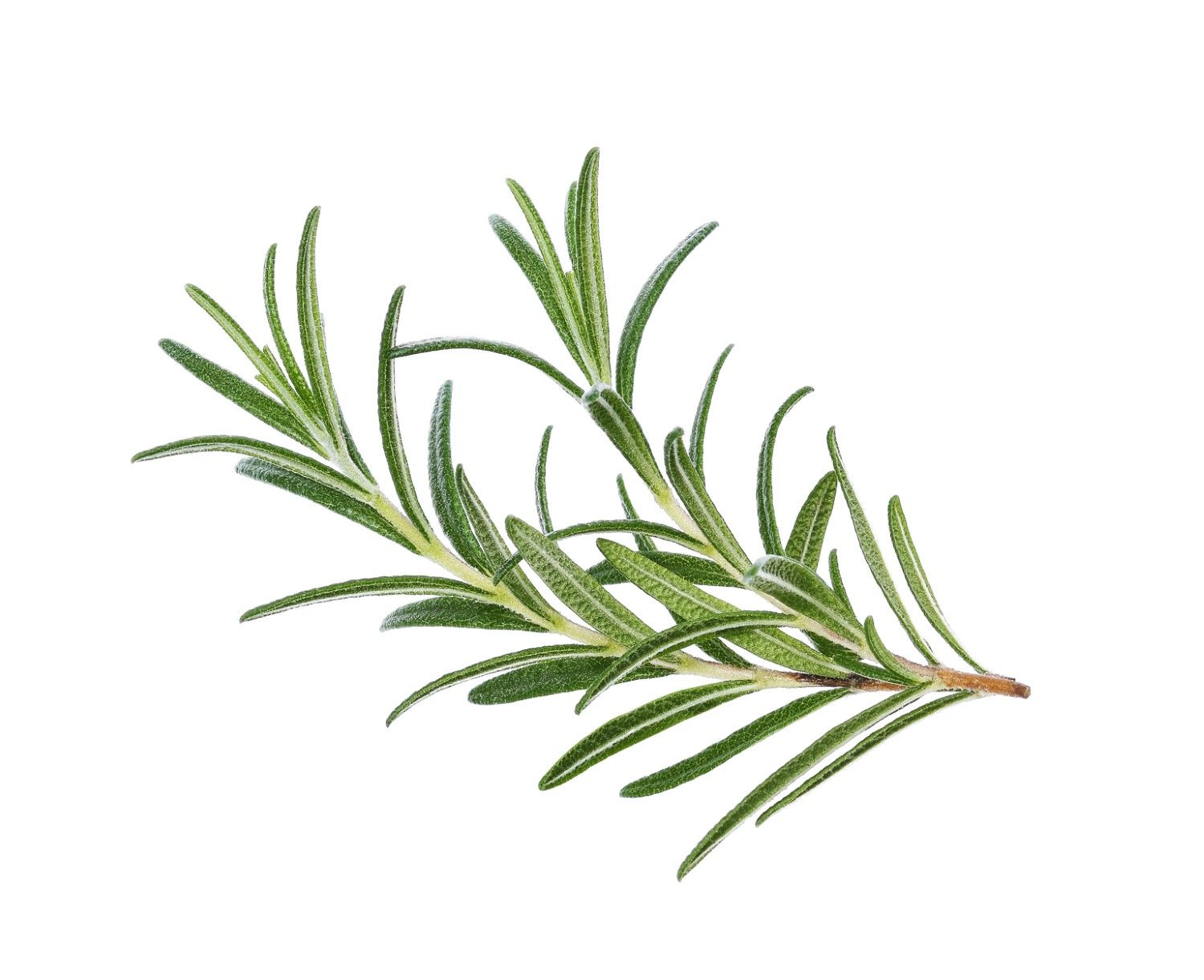
The use of lemon balm as a sedative is supported by the results of clinical trials besides the data from folk medicine. In a part of studies, it was used in a combination with valerian. In the studies, lemon balm decreased the feeling of palpitation more effectively than placebo.[10] In a placebo-controlled study performed with subjects with cardiac conditions, the consumption of lemon balm decreased the anxiety, alleviated depression, and improved the sleep disorder.[11]
The extract of the plant improved the cognitive performance (recognition and thinking activities) and decreased the excitement of mild or moderately severe Alzheimer’s disease patients in a double-blind placebo-controlled randomized treatment after a 4-month-long treatment.[12]
In case of lemon balm, the following pending health claims that are not yet evaluated by the European Food Safety Authority (EFSA) can be used for the information of costumers:
- it contributes to the well-being, cognitive functions, and optimal relaxation (2085, 2848).
Rosemary
Rosemary is a perennial evergreen shrub native to the Mediterranean basin. Due to its antioxidant effect, it is used as a preservative in the cosmetic and food industry, but it has several other beneficial pharmacological effects as well.
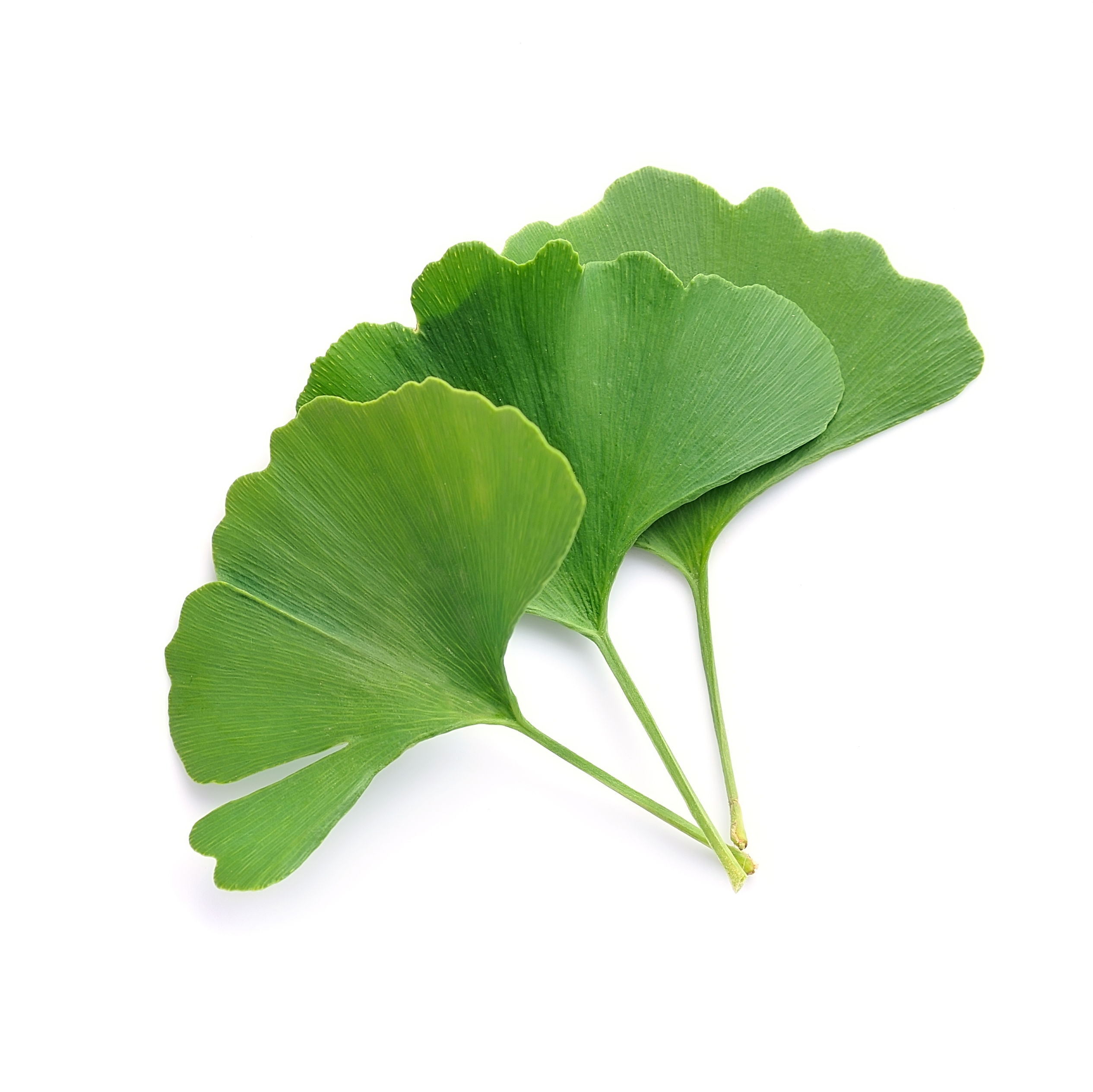
Rosemary contains essential oil and poliphenolic compounds. From the latter, carnosic acid, carnosol and rosemary acid are significant, due to their quantity and biological effects. The mentioned compounds have a significant antioxidant effect and have a role in the anti-inflammatory effect of the herb.[13]
In one study, the inhalation of rosemary essential oil vapor increased the level of vigilance and improved the memory.[14] In another study they found that this may decrease exam stress.[15] In a study they researched the effect of rosemary on the memory, and found that the consumption of 750 mg chopped rosemary has a positive effect when compared to placebo, and with a significant increase in the dose (with consuming multiple amounts of the indicated dose) but the effect became reversed.[16] In a double-blind, placebo-controlled study, the daily intake of 1 g rosemary had memory improving, anxiety reducing and sleeping disorder improving effects.[17]
Ginkgo
Ginkgo biloba (maidenhair tree) is a medicinal and ornamental plant originated from East China that is currently widespread worldwide. For medicinal use, they use the leaves of the plants.
Besides medicine, several other products containing ginkgo are commercially available; most of them are dietary supplements. The main active ingredients of ginkgo are the terpenoids named ginkgolides and bilobalide, but flavonoids should be also mentioned as part of the quantitative and qualitative composition, since they also influence the bioavailability of the active ingredients. Ginkgo acts by three main mechanisms of action: it increases blood circulation and has antioxidant and anticoagulant effects. It decreases the viscosity of the blood, and therefore improves circulation. The effects of Ginkgo biloba extract on brain activity were studied in animal experiments. In various models, it improved certain elements of cognitive function (e.g., short-term memory). It was also documented that the extract of the herb accelerated the regeneration of brain function after a brain injury. In case of brain circulation disorders the neuroprotective effect of the extract could be explained (at least partly) with antioxidant activity.
The extract of Ginkgo biloba is used in the treatment of dementia due to its mental performance improving effect. Because of this, they studied the effects of the extract on the main symptoms of dementia (deterioration of memory, abstract thinking and speaking skills) and the accompanying mental symptoms (personality changes, mood changes, depressive symptoms, social behavior changes) in clinical trials. In multiple placebo-controlled, randomized, double-blind studies, the extract improved symptoms more effectively than placebo.[18],[19] According to other trials, it can be used for the enhancement of mental performance and the improvement of mental load tolerance as well.[20] According to a meta-analysis, this special extract is significantly more effective than placebo in terms of the improvement of the daily activity and cognitive function of dementia patients.[21]
The effect of Gingko biloba in the mitigation of the symptoms of Alzheimer’s disease has been studied in multiple clinical trials. Products containing the extract of the plant improved mental performance in similar degrees as synthetic medicines do. In case of plant-based products, fewer side effects were recorded, and the compliance of the patients was better. In a meta-analysis the extract of the plant was effective in improving the daily activity of Alzheimer’s disease patients. A preventive (prophylactic) effect in Alzheimer’s disease could not be proven.[22]
Multiple studies support that in case of vertigo, caused by brain circulation disorders, the extract of //Ginkgo biloba// significantly decreased vertigo when compared to placebo. For the decrease of tinnitus, it can only be used in not severe cases. In one meta-analysis evaluating the efficacy of the EGb 761 extract in tinnitus, the extract decreases tinnitus and vertigo in dementia patients. If the tinnitus is not connected to dementia, ginkgo is not appropriate for the treatment, according to a meta-analysis.
Ginkgo biloba extract can be used as a medicine for the improvement of mental deterioration due to aging and the improvement of quality of life in mild dementia, in a daily dose of 120–240 mg. The treatment must be administered for at least 8 weeks to reach the maximal effect. In our product, the extract of Ginkgo biloba was developed so that it could provide the beneficial effects documented in clinical trials.
In case of Gingko biloba, the following pending health claims that are not yet evaluated by the European Food Safety Authority (EFSA) can be used to inform costumers:
- it contributes to the adequate mental performance, for example to the maintenance of memory (3768).
Rhodiola
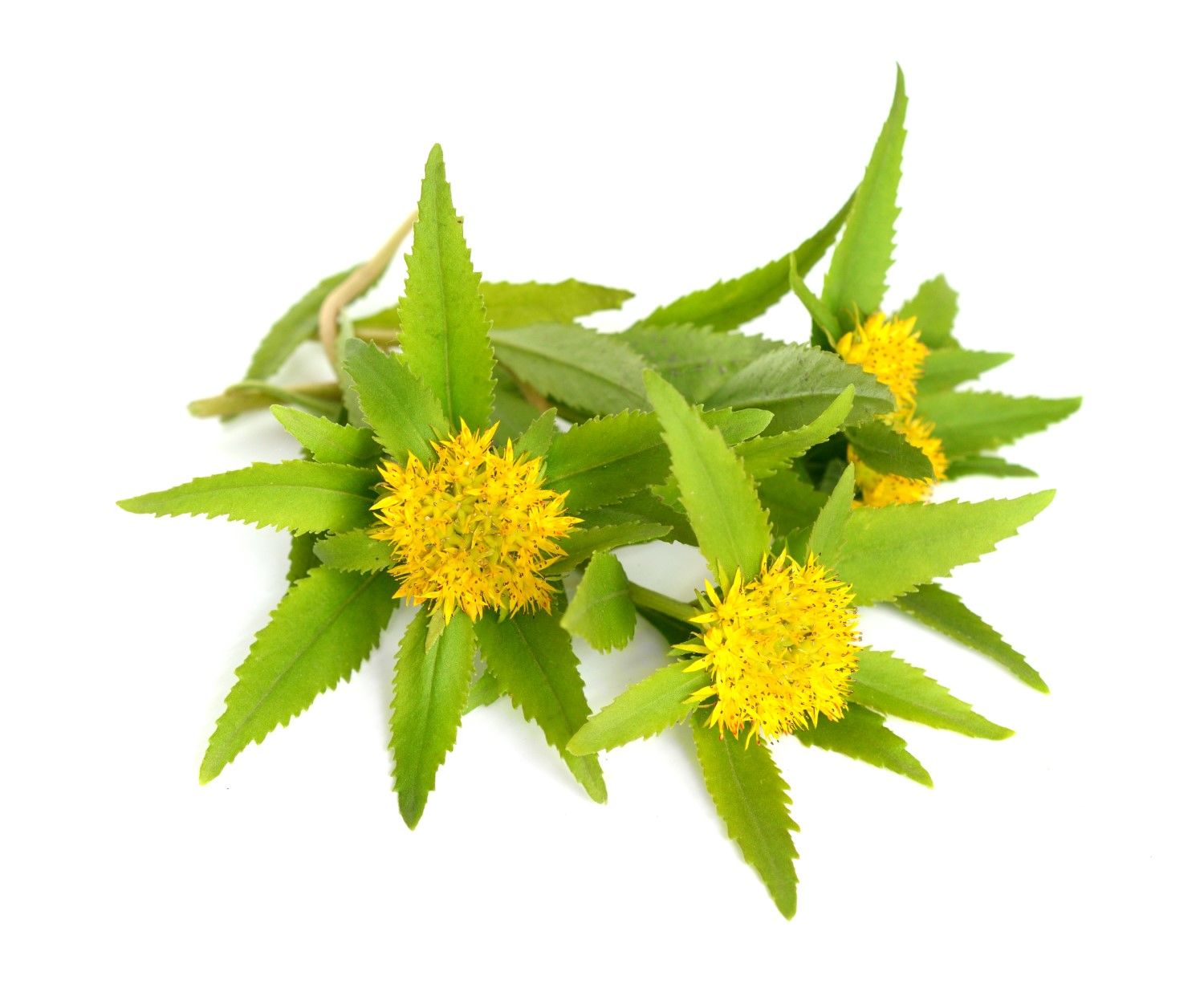
Rose root (also known as golden root, Rhodiola rosea in Latin) is a short, perennial herb native in the high mountains of Europe and Asia. For medicinal purposes, the root of the plant is used. Nowadays, it is used for the increase of physical and mental performance, to beat fatigue, and to decrease the symptoms of depression.
Its important constituents are rhodiosin, rosin, salidroside, and tyrosol. The exact mechanism of action of the plant extracts is not known; its adaptogene effect on the human body against stress effects is exerted with the enhancement of nonspecific protective mechanisms, which is quite a complex process. In contrast to other adaptogenes (such as ginseng), it has no effect on blood pressure.
There were several modern, placebo-controlled double-blind, randomized studies performed with rose root. In subjects treated with the extract long-term, the feeling of fatigue decreased, and their physical and mental performance increased. Due to the decrease in tiredness, the extract successfully improved cognitive functions, so it improved the ability to concentrate and improved mental performance in clinical trials as well.[23] Due to its decreasing stress effect, it improves general well-being, and decreases the tiredness related to stress.[24],[25] Its antidepressive effects have been proven in clinical trials. Compared to placebo, it was significantly more effective in mild and moderately severe depression in randomized, double-blind trials.[26],[27]
In case of rhodiola, the following pending health claims that are not yet evaluated by the European Food Safety Authority (EFSA) can be used to inform costumers:
- it supports normal blood circulation and therefore normal brain function; it contributes to maintaining the optimal mental and cognitive performance (3877).
Green tea
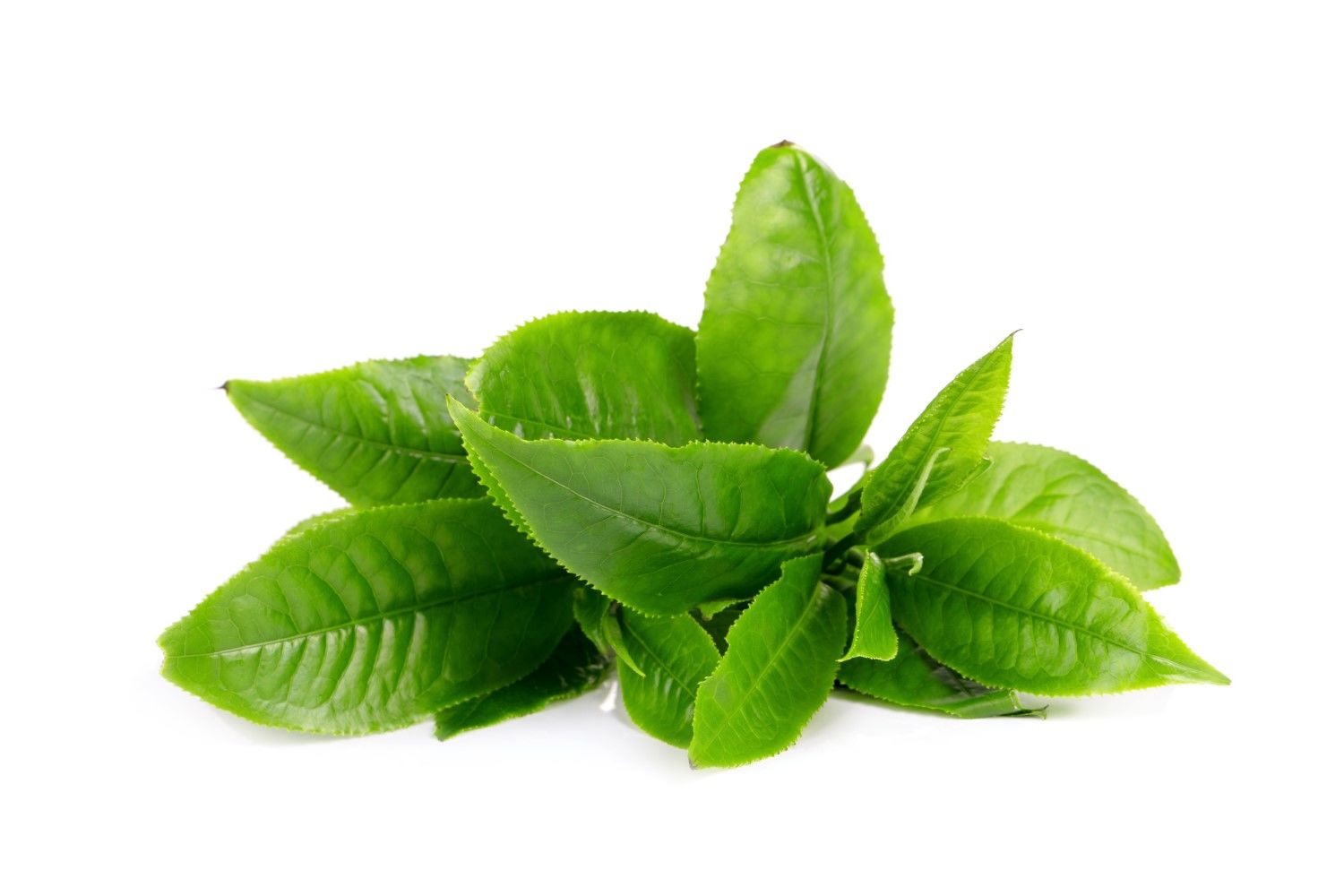
Tea is an evergreen shrub native to Asia. The leaves of the tea shrub are mostly sold in the form of black or green tea. The starting material is the same, the appearance, taste and flavor differences occur due to the different processing methods. During the production of green tea, fresh tea leaves are roasted, which process deactivates the enzymes in the leaves, and because of this, the enzymatic transformation and breakdown of the tea constituents stops. In case of black tea, the starting material is the same, fresh tea leaves, but instead of roasting, the raw material is fermented, and due to this, the flavor, and the color changes. Thanks to this, green and black tea are not only different in taste, but they contain different amounts of tannins as well. The leaves of green tea contain a considerable amount of tannins (25–30%) whereas black tea only contains 5%. There is a difference in the amount of theanine between the two types as well: green tea contains a high quantity of this amino acid, while black tea has low levels of it due to processing. In case of caffeine contents, there is no significant difference.
The stimulant effect of tea (and its constituent, caffeine) have been proven in several human studies. Fun fact, that the consumption of green tea that has a low level of caffeine (or completely free from caffeine) does not have a stimulant effect; however, an anxiolytic, concentration improving effect can be expected from it. The effect on the central nervous system depends on the ratio of the stimulant (caffeine) and the sedative (theanine) compound in the tea drink or the tea product. The anxiolytic effect of tea may occur from the compound theanine.[28] Its effect was proven in generalized anxiety patients.[29] This compound increases the typical activity of the relaxed brain (so called alpha-waves on the EEG), which correlates well with the states observed after the intake of theanine (decreased anxiety).[30] Theanine showed anxiolytic and sedative effects in human trials. This effect was also observed in subjects who drank a larger amount of green tea (with low caffeine content).
The cognitive performance improving effect is a characteristic of both caffeine and theanine as well, [31] although the latter does not cause excitement, and it does not increase the blood pressure.[32] Moreover, in those subjects who react to stress with high blood pressure, it not only decreased stress, but also decreased blood pressure.[33] The decrease in cognitive performance in a stressed state can be counterbalanced with tea extract containing theanine.[34] The memory and attention improving effect (when using the mixture of the two compounds) was described in mild cognitive disorders as well.[35]
These beneficial effects were mostly observed in case of tea extracts containing 50-200 mg theanine.
In case of tea extract, the following pending health claims that are not yet evaluated by the European Food Safety Authority (EFSA) can be used for the information of costumers:
- it may contribute to the decrease of mental tiredness and fatigue (3280).