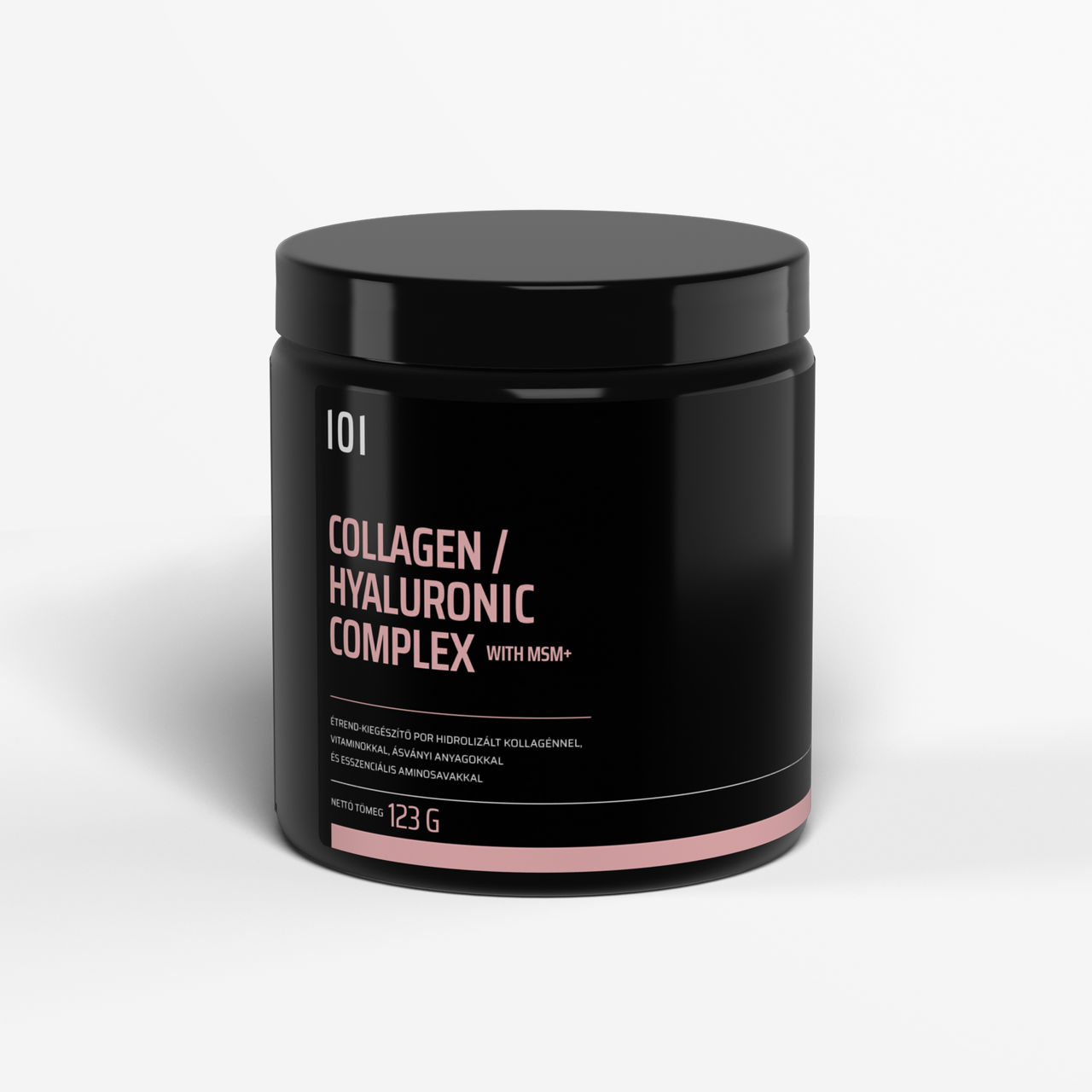
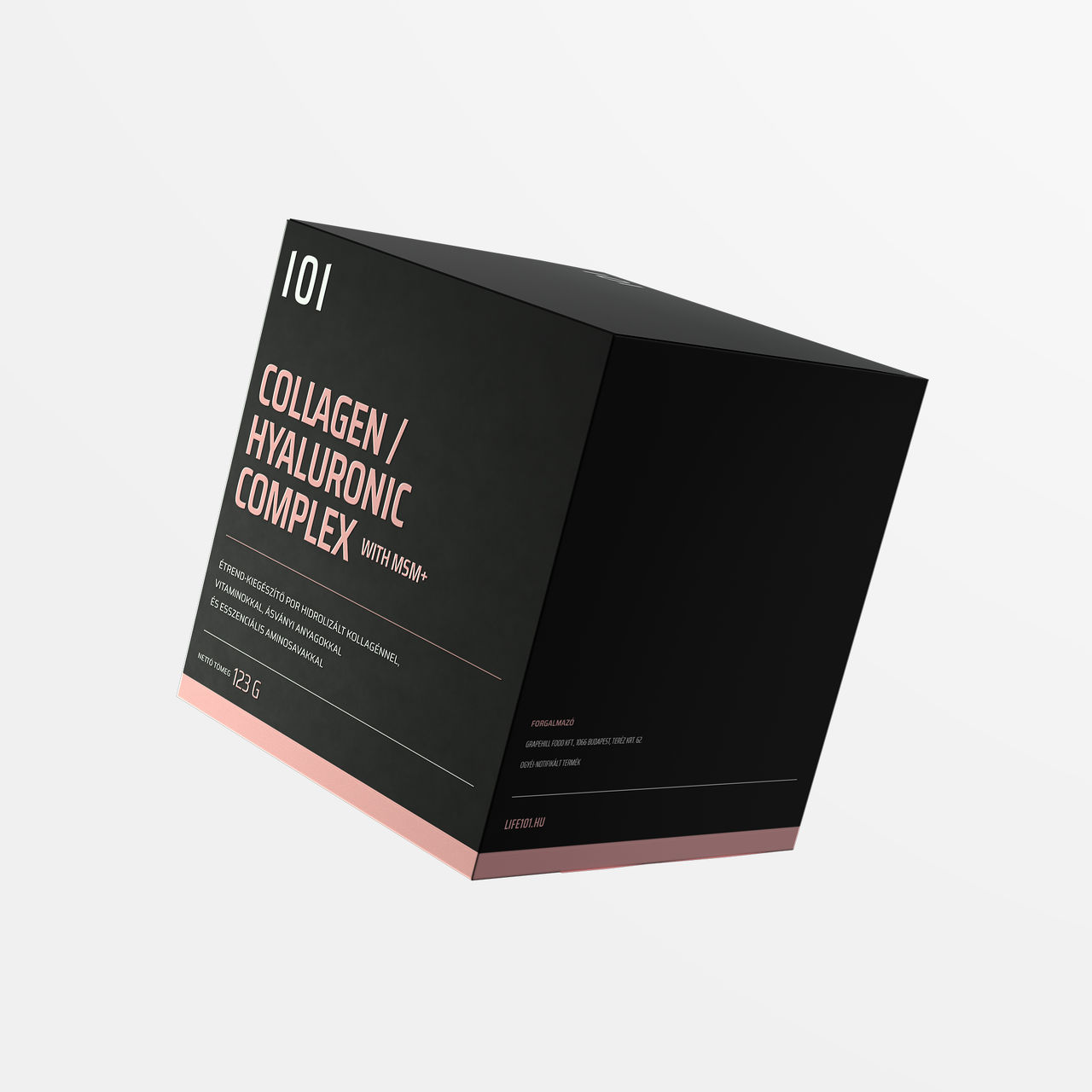
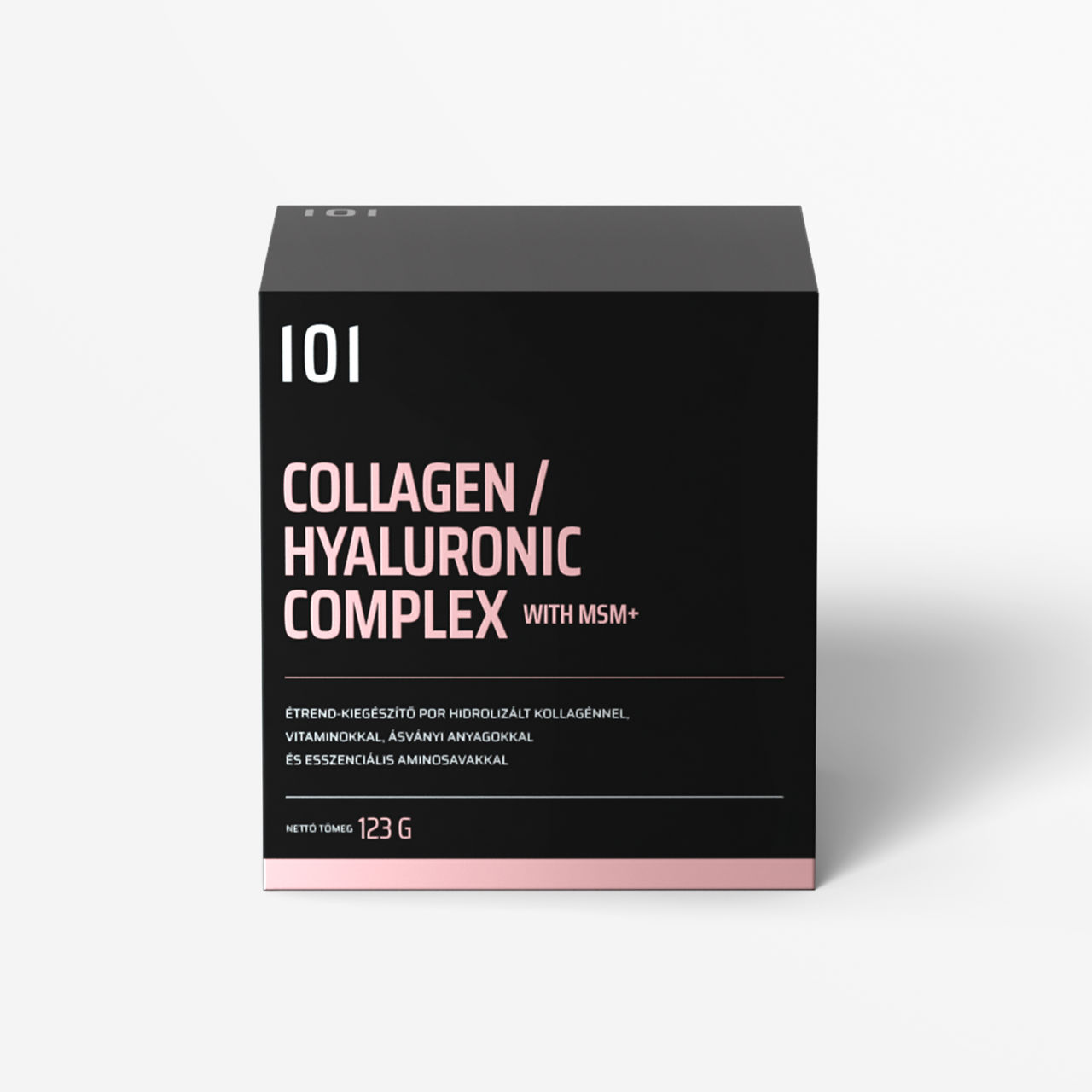
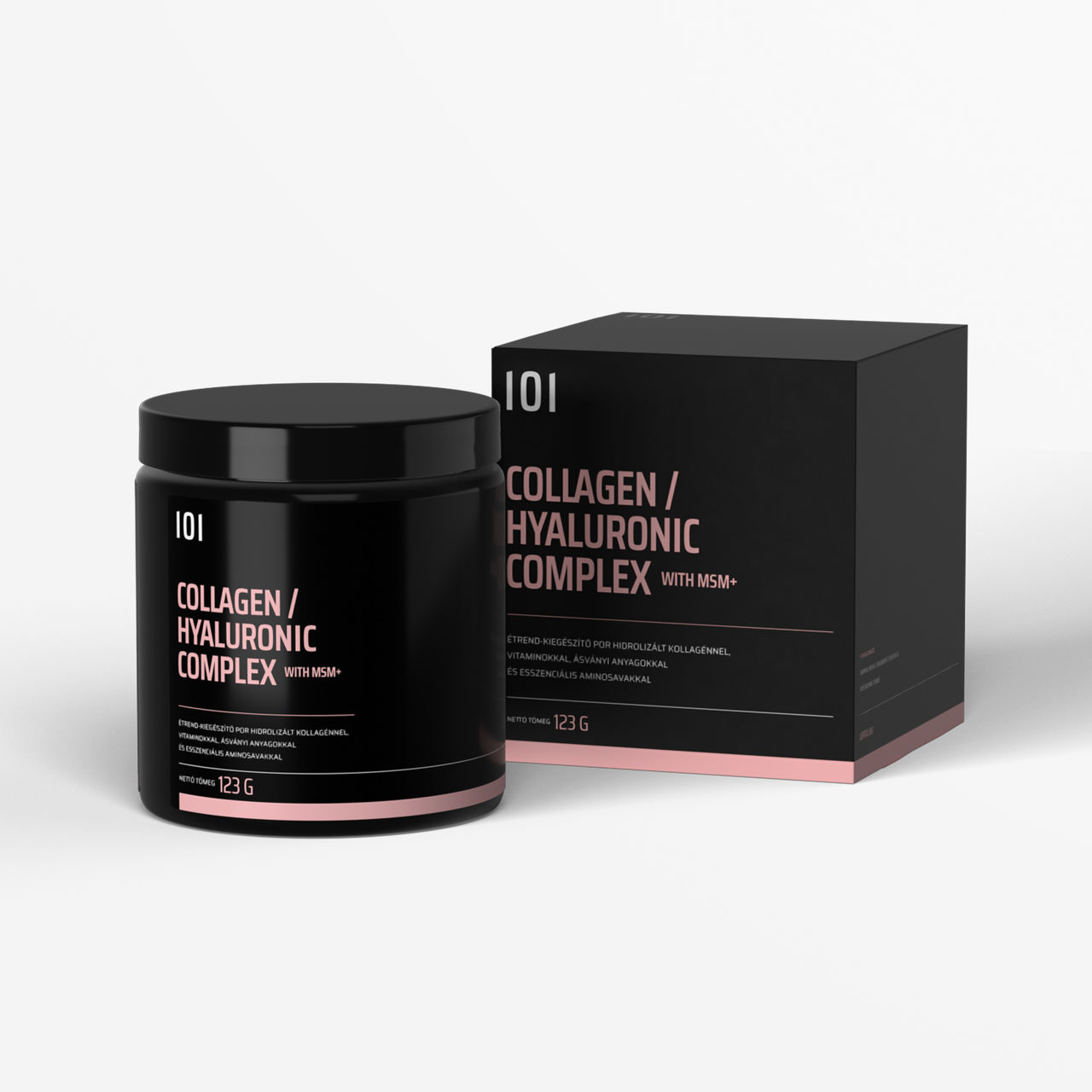
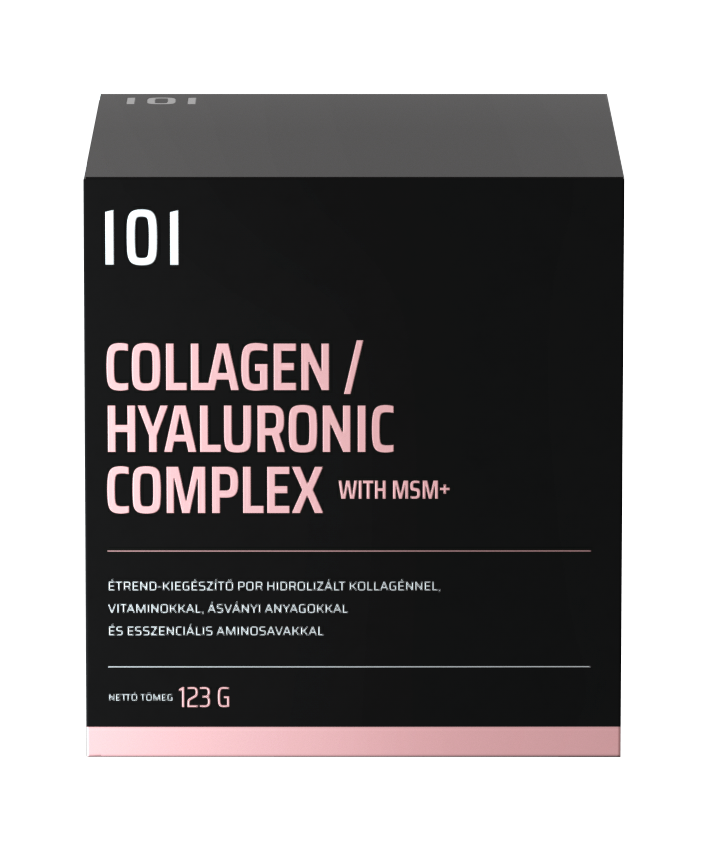
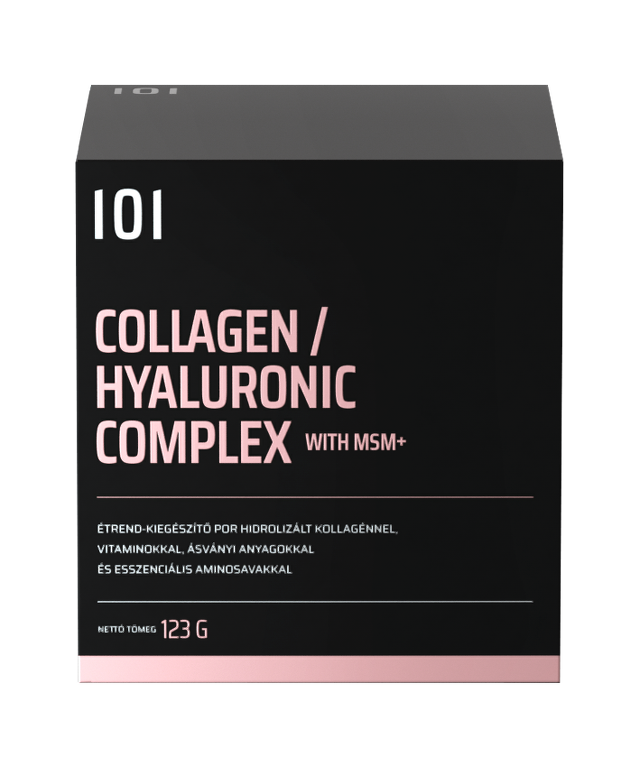
Collagen / Hyaluronic Complex with MSM+
Beauty
100% money back guarantee!
We offer you a 100% satisfaction guarantee! Within 60 days you can refund your purchase if you are not satisfied with it for any reason. Click here for details!
Shipping costs will be calculated at checkout.
You can redeem your coupon at the checkout.
Power powder for your beauty! A perfectly measured formula with collagen, vitamins, minerals and amino acids to help to maintain the health of your hair, nails, and skin.
Certificates


Forest Stewardship Council
A Forest Stewardship Council egy 1993-ban alapított nemzetközi non-profit szervezet, amelynek célja a felelős erdőgazdálkodás előmozdítása. Az FSC előírásainak alapján kiadott tanúsítványok igazolják, hogy az adott termék a környezetvédelem és a szociális szempontok figyelembevételével készült.


Support your inner beauty and shine outside
Changes in the body as you age can also affect the appearance of your skin and hair. As your collagen and water level of the skin and connective tissues start reducing, it can cause loss of elasticity and the formation of wrinkles. A decrease in the keratin content of the hair is accompanied by structural changes and slowing of the hair growth, and the absence of certain trace elements can cause a deterioration in the pigmentation of the hair.
The composition of this product has been compiled on a scientific basis. Collagen is a natural constituent of the skin, an important substance for its firmness and elasticity. With long-term use of the product the collagen in it can help improve your skin elasticity, while hyaluronic acid can help maintain your skin's youthfulness and health.
Collagen/Hyaluronic also contains amino acids (methionine, cysteine) that help maintain the healthy structure of the hair, skin and nails, and also have a beneficial effect on their growth. The MSM can help maintain proper creatine levels in the hair, skin and nails to keep them healthy and strong.
Among the other trace elements in the product, zinc is important for the preservation of the health of the skin, while selenium support the health of the hair, and copper plays a role in the synthesis of melanin, which also affects the pigmentation of the skin and hair.


Specialized in peptides, anti-aging, and alternative medicine. Received his doctorate from the Faculty of Medicine of the University of Debrecen, but during his career he also obtained a degree from the University of Arizona and the St. Petersburg Bioregulation and Gerontology Research Institute, and is a member of the American Academy of Anti-Age Medicine.
Active Ingredients
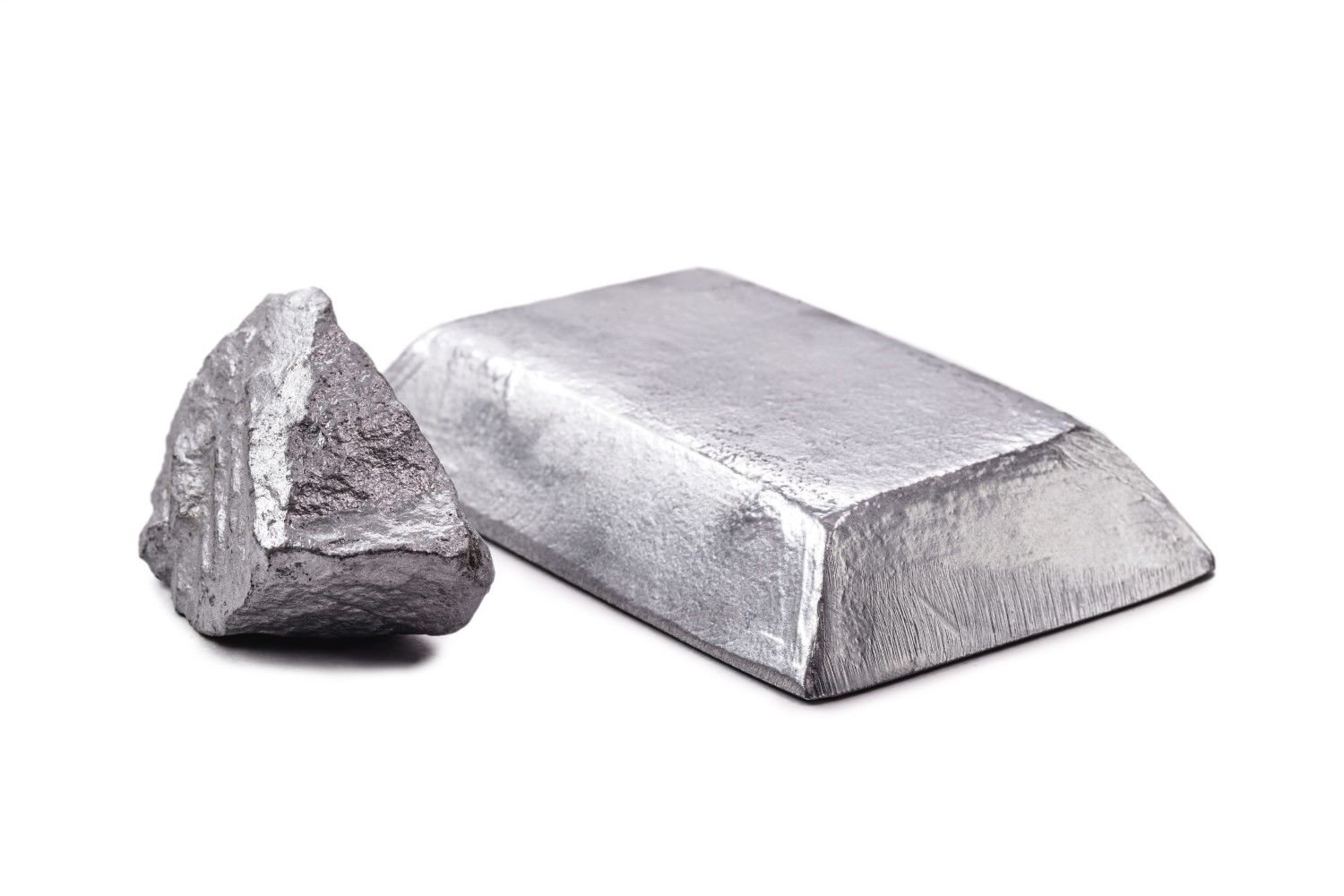
Zinc
Zinc is the second most important essential mineral (after iron). It has a deposit of approx. 2 g in the living body. Zinc can be found in both organic and inorganic bonds in dietary supplements. The organic form has a better bioavailability and does not cause stomach problems.
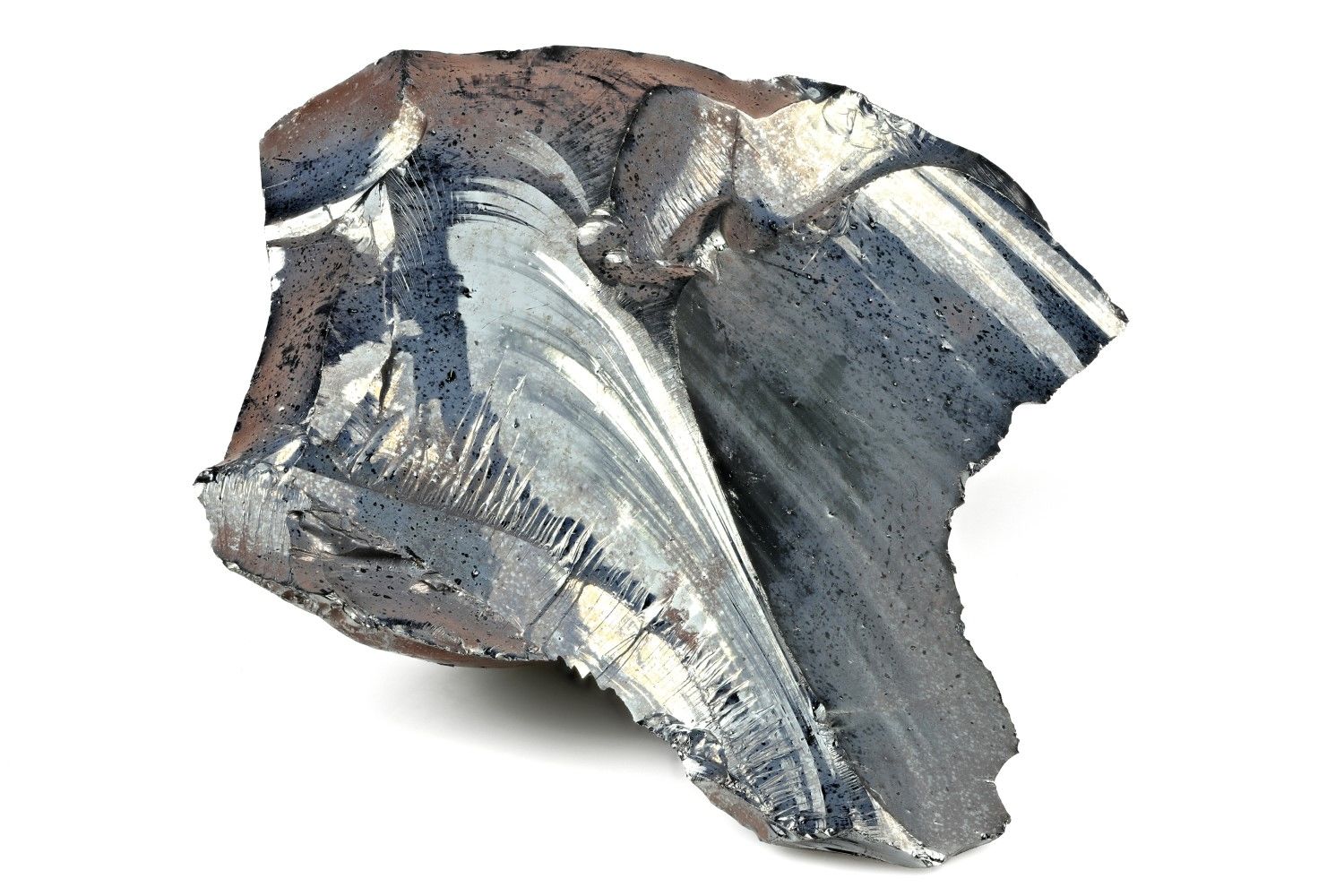
Selenium
The daily reference intake for selenium is 55 micrograms. It is used in dietary supplements as inorganic salts and organic compounds (selenomethionine, yeast enriched with selenium). Organic forms are usually absorbed to a higher extent from the bowels, so in this product, we used selenomethionine, which has a good bioavailability. Selenium is the component of the so-called selenoproteins that are important antioxidants of the body.
Collagen
Collagen is a protein that occurs in the body in large quantities and has an important role in the buildup of the space between cells (in the extracellular matrix), the flexibility of bones, the buildup of cartilaginous tissue, and the elasticity of the skin and connective tissue, and their hydration. Its quantity and hydration decrease with ageing.
Hyaluronic acid
The consumed hyaluronic acid increases the hydration of the skin and improves the treatment results of dry skin patients. The absorbed hyaluronic acid contributes to the synthesis of hyaluronic acid in the body, it facilitates cell proliferation in fibroblasts, hydrates the skin and expectedly improves the quality of life of people living with dry skin.
MSM
MSM is a sulfur-based compound that helps stabilize and synergize protein-protein relationships and reduces inflammatory mediators. Sulfur is essential for the formation of glutathione, the most important natural antioxidant molecule found in humans. Research has found MSM to be useful for hydration, elasticity, sebum secretion, wrinkling, toning, and pigmentation of the skin and mucous membranes.
Methionine/cysteine
Cysteine and methionine are amino acids containing sulfur; they are the precursors of a peptide called keratin that is found in the hair in large quantities.
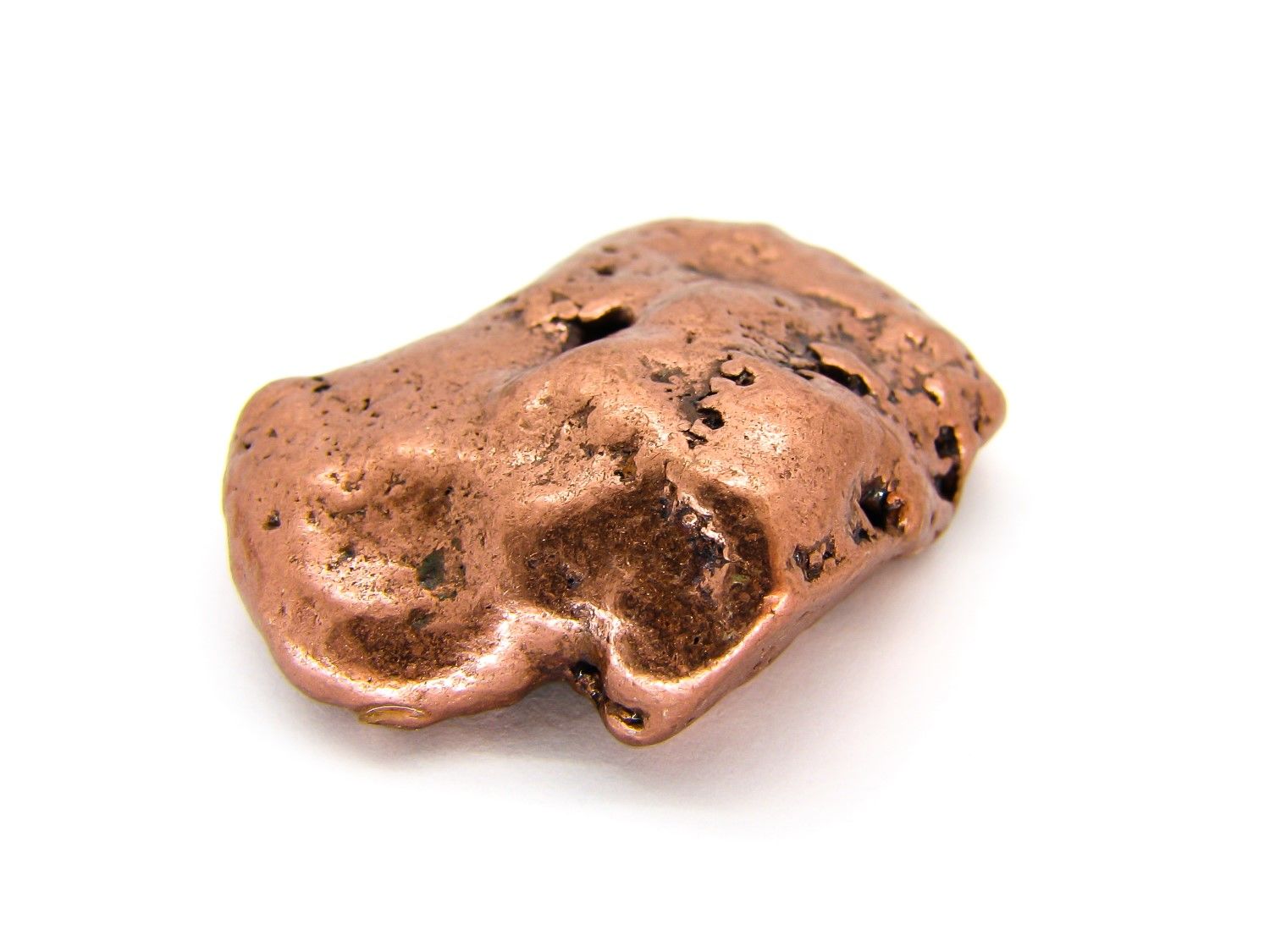
Copper
Copper acts as an antioxidant, it protects the skin from the damage caused by the increase of free radical levels and stimulates the maturing process of collagen; therefore, it is critically important in the improvement of the elasticity and thickness of the skin. It has a role in melanin synthesis, and the pigmentation of the skin and hair.
Vitamin B complex
The group of B vitamins have an important role in the maintenance of the health of the skin, since it is an important factor of several physiological processes like protein synthesis.
Collagen/Hyaluronic Complex, the daily essential for beauty
Kihagyhatatlan termék!
by Virág93
kúraszerűen használva nekem maximálisan bevált
by laura.kecskes
Szuper termék, ajánlom!
by Zsuzsa85
Szeretem
by Eszter24_Zsófia
bevált
by __andika77
nagyszerű
by egykozmetikus
Terhesség után kiváló! Csak ajánlani tudom!
by egy_újdonsült_anyuka
Nálam a szépségápolás belülről kezdődik.
by Rebeka_26
végre egy termék ami tenyleg használ
by pankaszollos_95
Szerintem jó a termék. Kipróbálom a többit is!
by K.Barbara92
az új kedvencem
by inez28
mindenképp keverd bele valamibe!
by vivike_s
szimpatikus termék, de fura az íze
by laczkóZS.
Végre megtaláltam.
by jucus_bp
Bejön, hogy minden hatóanyag benne van, így nem kell több dolgot szednem egyszerre.
by Berni_k_36
Kicsit húzós az ára, de jó!
by lydia__
Lassan de biztosan.
by némethné
Be fog válni.
by Gergely__
Ez kellett nekem.
by _Szandra_
furcsa az ize
by juhasz_enci123
Már többen is kérdezték hogy, mitől lett ilyen fényes a hajam.
by Marianna_78_
maxi hatás
by petrapolgar
SzupiSzuper
by Kitty
Szerintem jó, hogy natúr!
by Áron_H
a hatása jó, de lehetne valamivel ízesítve!
by anett90210
Türelmes vagyok, ezt ajánlom mindenkinek.
by Ági_Ágnes
hiába natúr, kicsit fura az íze
by fikomaria
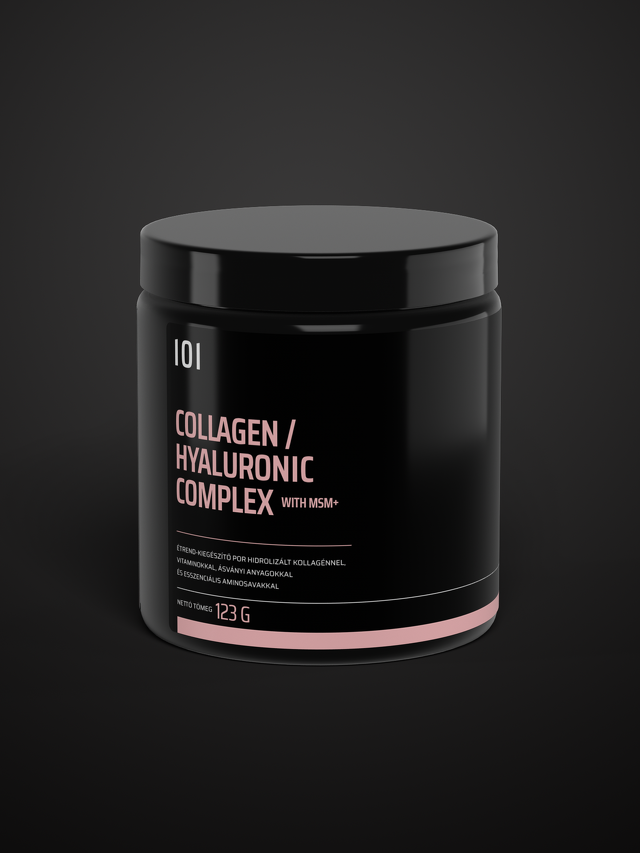
Collagen / Hyaluronic Complex with MSM+
Power powder for your beauty! A perfectly measured formula with collagen, vitamins, minerals and amino acids to help to maintain the health of your hair, nails, and skin.
100% money back guarantee!
We offer you a 100% satisfaction guarantee! Within 60 days you can refund your purchase if you are not satisfied with it for any reason. Click here for details!
Shipping costs will be calculated at checkout.
You can redeem your coupon at the checkout.
