

List of our active ingredients

Beta Glucan
Beta-glucans are polysaccharides made up from glucose units that can be found in certain bacteria, fungi and the cell wall of plants. Its most common source is the cell wall of a single-celled fungus, brewer’s yeast (Saccharomyces cerevisiae), but miller’s bran (for example oat bran and barley bran), some eelgrasses, and algae also contain beta-glucans.
Probiotics
Probiotics are products containing living microorganisms that when used in an adequate amount can trigger positive physiological effects in the body. The microorganisms living in symbiosis with our body mostly live in the large intestine, in an amount equivalent to 2—3 kgs, with a few more than 100 billion cells that help maintaining the biological balance of the body. The gut flora, also known as the microbiome or the protective bacteria, has several physiological functions. It has a role in digestive procedures, and multiple vitamins are synthesized in the body with the contribution of these gut bacteria as well. Gut bacteria increase the production of immunoglobulins, and the healthy gut flora inhibits the reproduction of pathogen bacteria, therefore protecting the body against infections. All in all, the gut flora is an indispensable part of the normal function of the immune system.
Elderberry
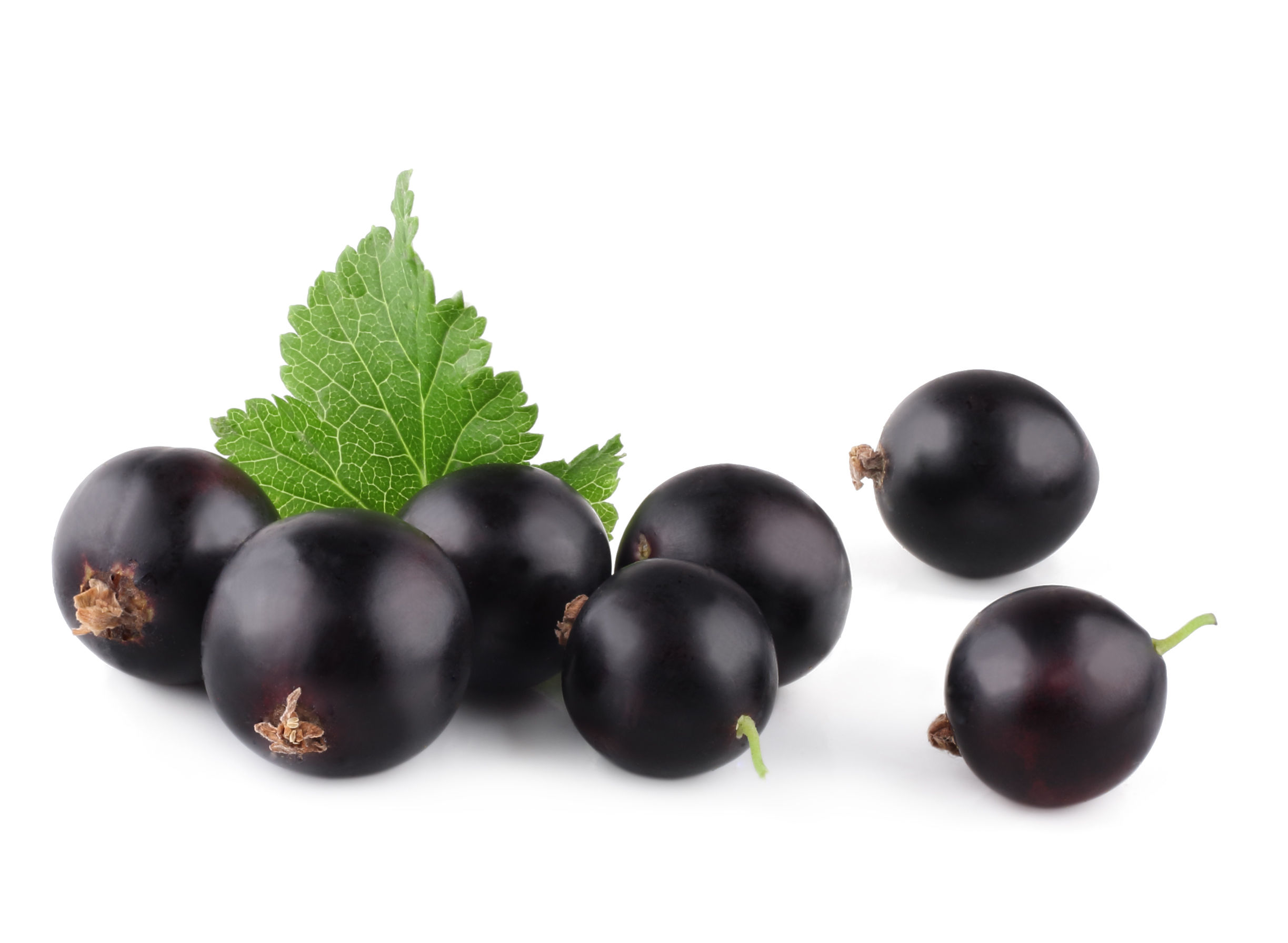
Elderberry is a commonly known herb that’s flower has been consumed as tea for a long time. Its fruit is commonly known as food (marmalade, syrup), but studies of recent years have shown that it has a role in the treatment of upper airway infections.
Selenium
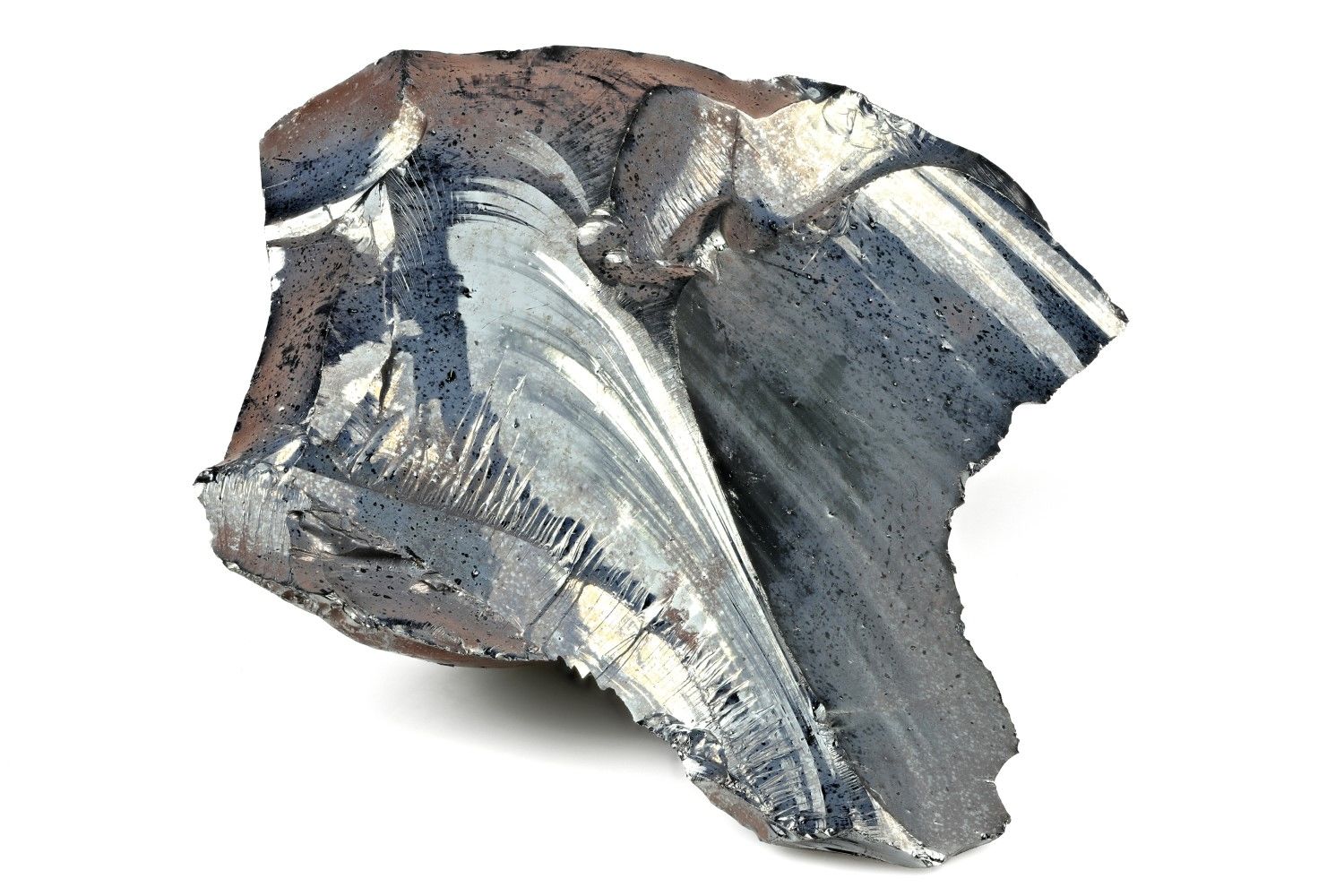
The daily reference intake for selenium is 55 micrograms. It is used in dietary supplements as inorganic salts and organic compounds (selenomethionine, yeast enriched with selenium). Organic forms are usually absorbed to a higher extent from the bowels, so in this product, we used selenomethionine, which has a good bioavailability. Selenium is the component of the so-called selenoproteins that are important antioxidants of the body.
Zinc
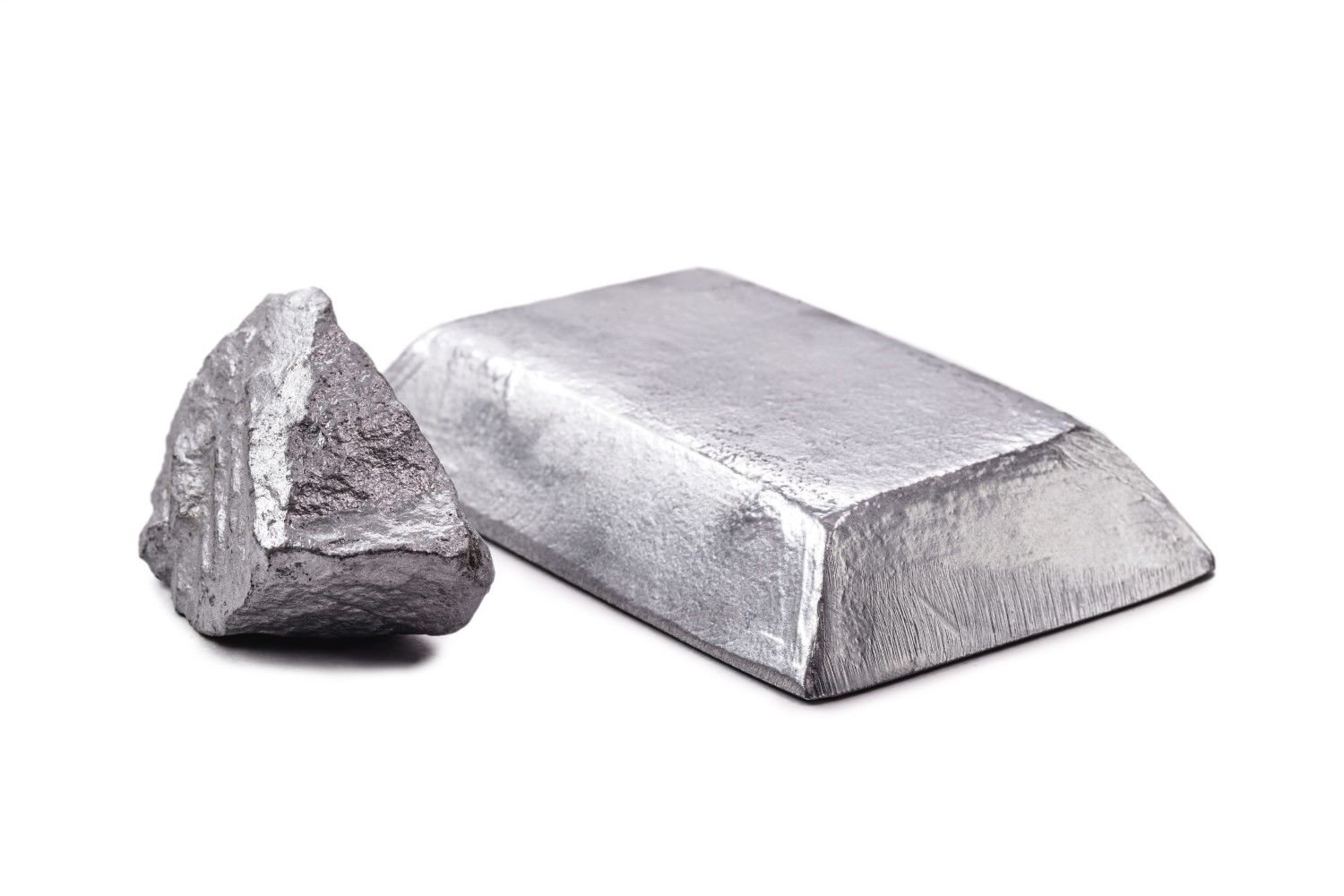
Zinc is the second most important essential mineral (after iron). It has a deposit of approx. 2 g in the living body. Zinc can be found in both organic and inorganic bonds in dietary supplements. The organic form has a better bioavailability and does not cause stomach problems.
Vitamin D
Vitamin D has a steroid structure, and over having vitamin effects, it has various other biological effects as well. For the human body, vitamin D3 and D2 are the most important (cholecalciferol, ergocalciferol). Vitamin D is a special vitamin: the human body can produce it, and its effects go far beyond its vitamin functions – it is considered an important hormone for the human body. Vitamin D is produced in the human body due to sunlight. Since most people do not stay on the sun until the time necessary for acquiring the appropriate amount of vitamin D, and since the average diet does not contain enough vitamin D, most people in the population require the supplementation of vitamin D.
Vitamin C
Vitamin C is a water-soluble vitamin that is indispensable for the healthy function of the human body. Several plant and animal can generate vitamin C from simple sugars (D-glucose, D-galactose), but the human body is not capable of doing this, so to prevent deficiency disease, the intake of a few ten mg of vitamin C is necessary. In a healthy diet, vitamin C is a common ingredient of vegetables and fruits, so with a balanced diet, the necessary amount for the vitamin effect can be reached. Vitamin C is essentially important for the healthy functioning of the human body. Vitamin C is essential for several biochemical procedure and transformation (as a strong reducing agent it takes part in oxidation processes) and has an outstanding role in the normal function of the immune system. Ascorbic acid is a great antioxidant, and due to this property, it protects the other ingredients of the product from oxidation.
Bacopa
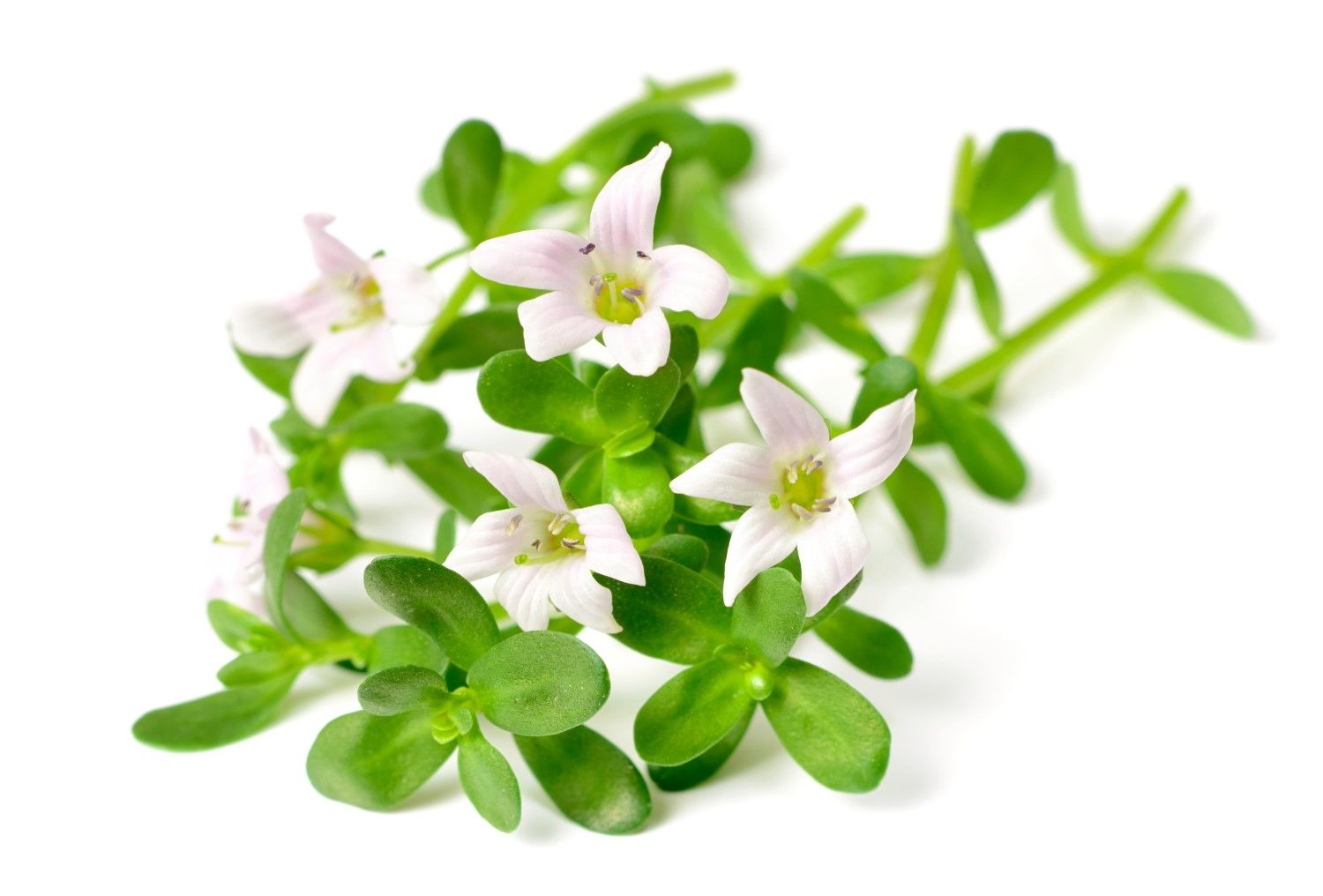
Waterhyssop (Bacopa monnieri) is a creeping herb native to Asia, but also lives in other parts of the world, such as Europe. It is an important herb in ayurvedic medicine. Bacopa is principally used for its mental performance enhancer effect, but in ayurvedic medicine, it has several other uses as well.
Lemongrass
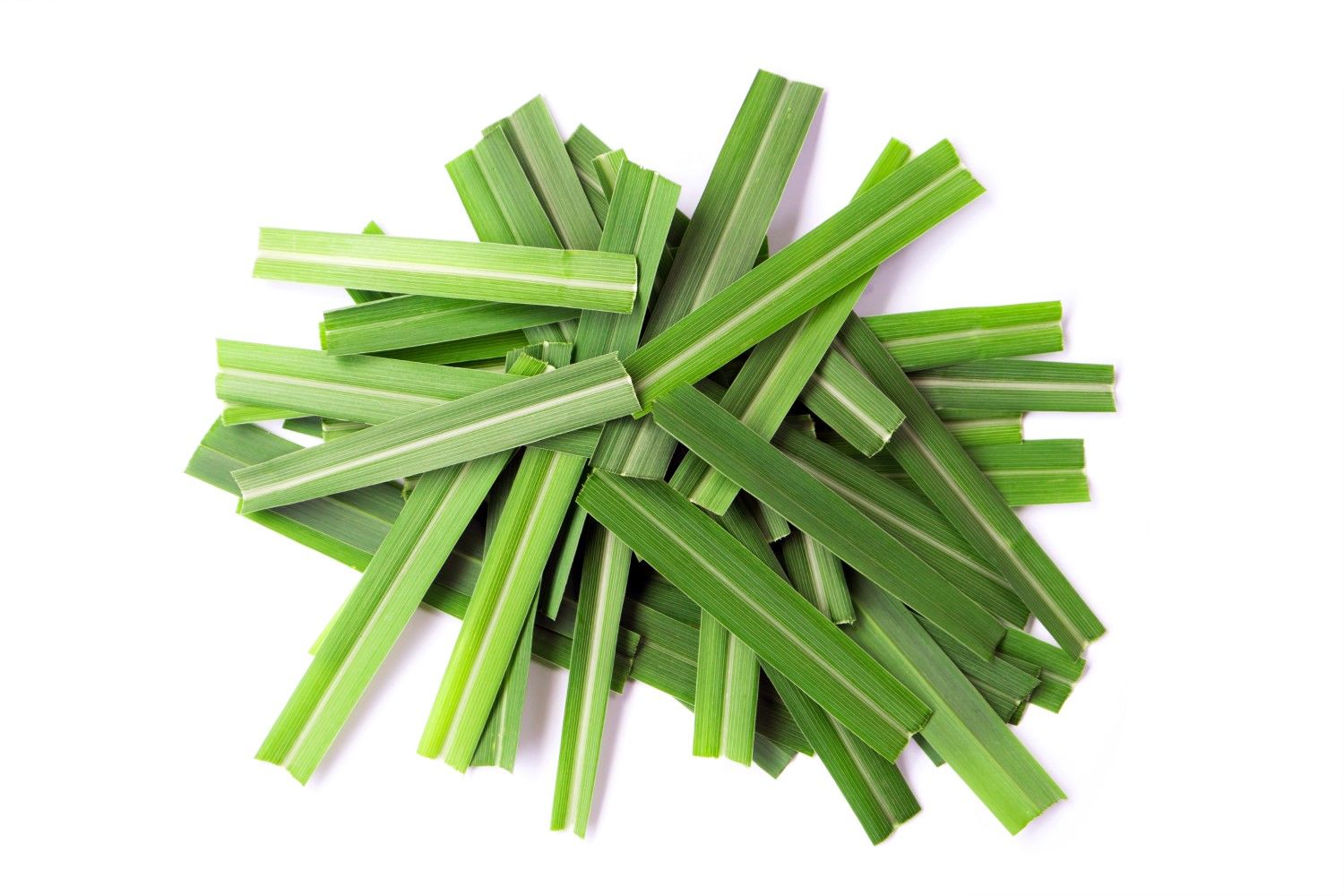
Lemongrass has a pleasant odor that resembles lemon. It blooms from June. It is collected when its leaves are in a bud, and its leaves or the above-ground stem are used in medicine. Lemon balm has calming, antidepressive and neuroprotective effects that were proven in different experiments.
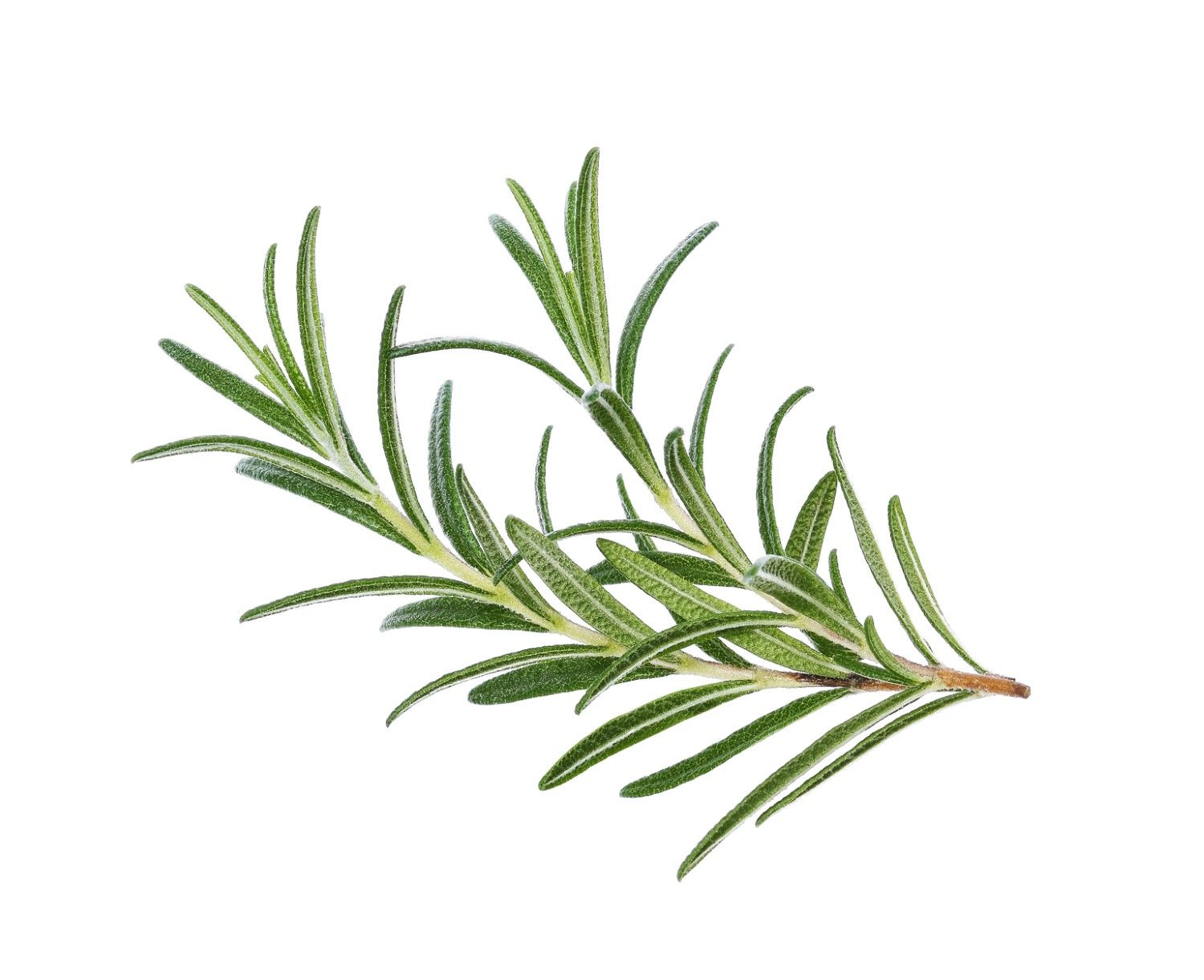
Rosemary
Rosemary is a perennial evergreen shrub native to the Mediterranean basin. Due to its antioxidant effect, it is used as a preservative in the cosmetic and food industry, but it has several other beneficial pharmacological effects as well.
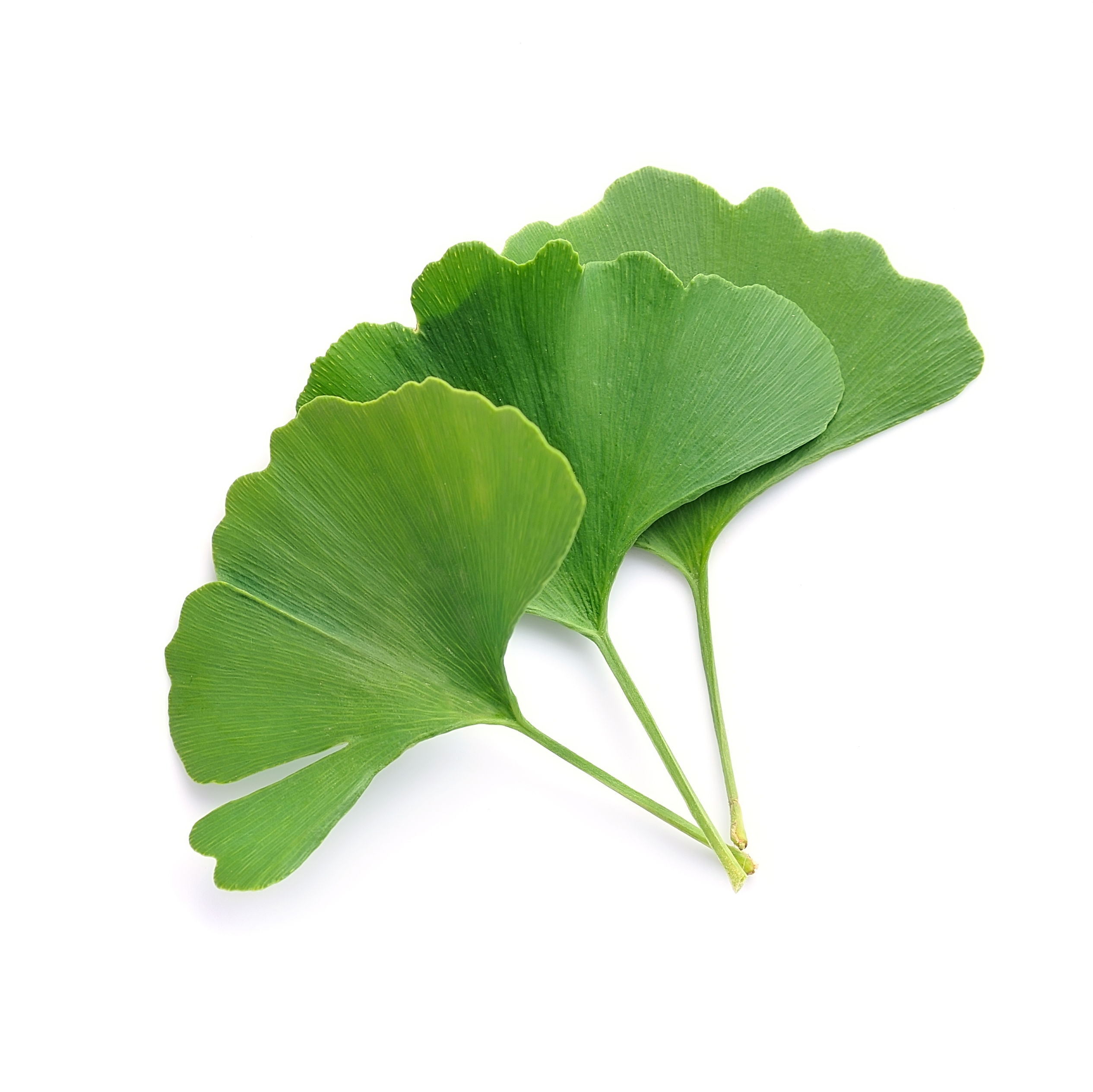
Ginkgo biloba
Ginkgo biloba (maidenhair tree) is a medicinal and ornamental plant originated from East China that is currently widespread worldwide. For medicinal use, they use the leaves of the plants.
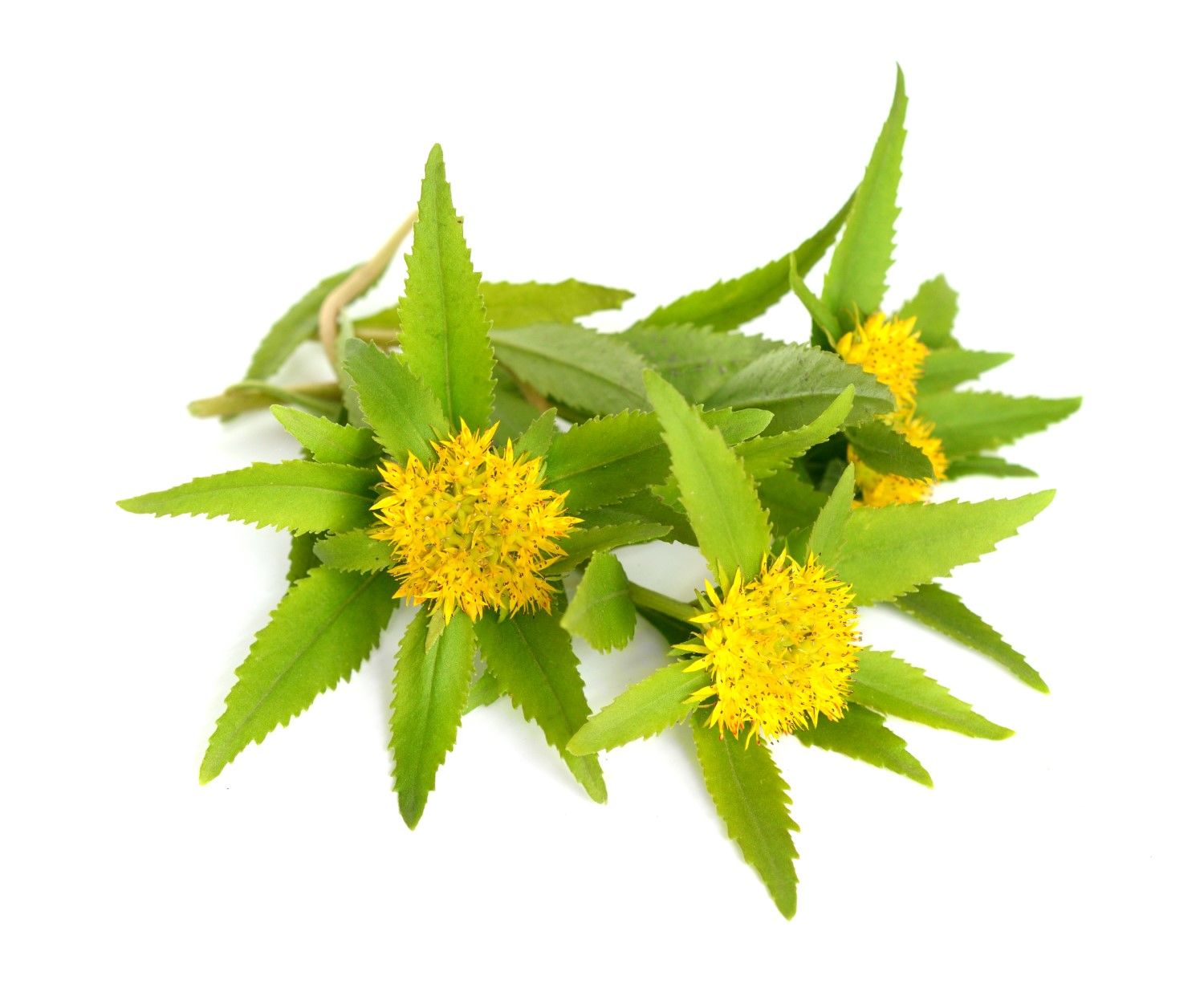
Rhodiola
Rose root (also known as golden root, Rhodiola rosea in Latin) is a short, perennial herb native in the high mountains of Europe and Asia. For medicinal purposes, the root of the plant is used. Nowadays, it is used for the increase of physical and mental performance, to beat fatigue, and to decrease the symptoms of depression.
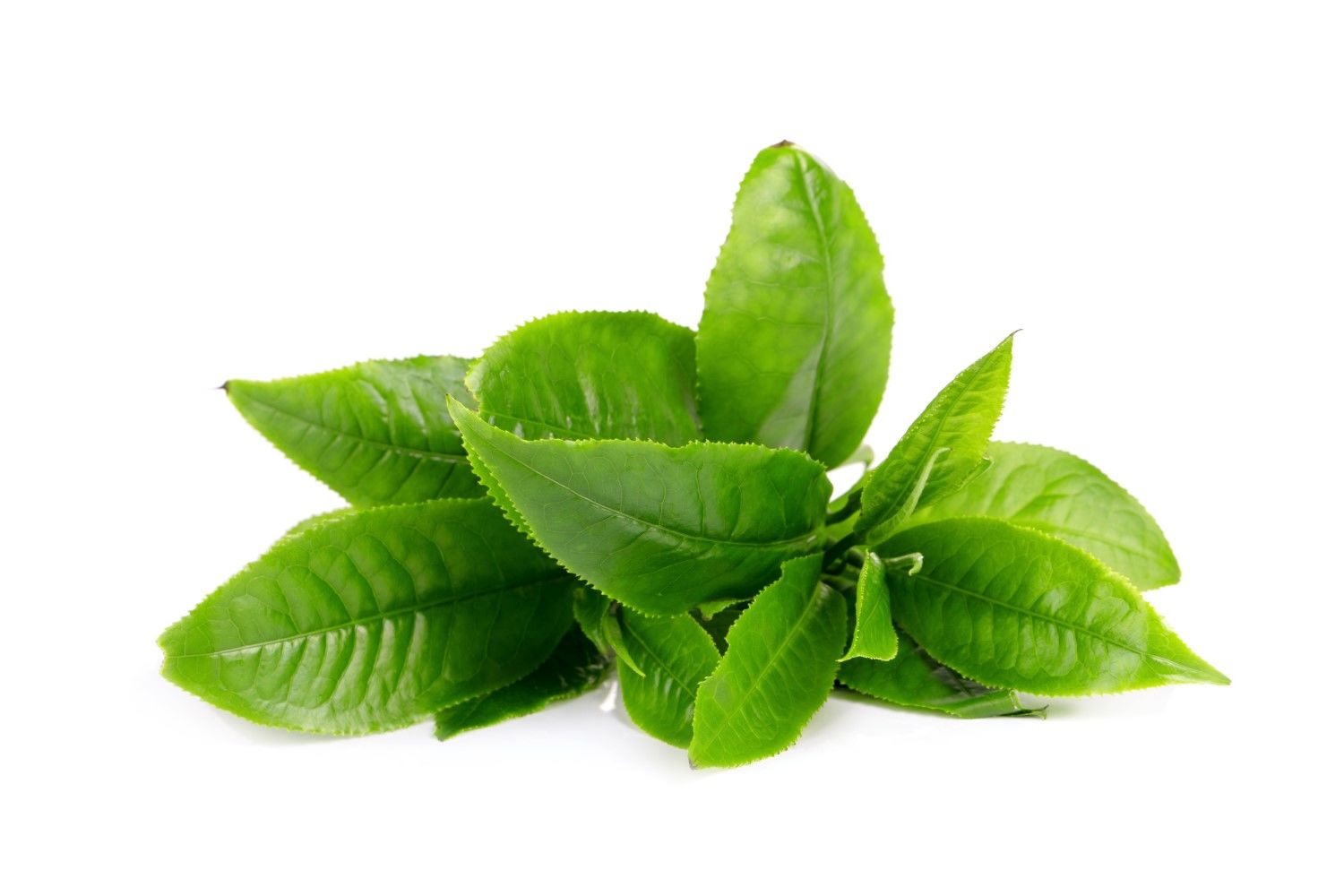
Green tea
Tea is an evergreen shrub native to Asia. The leaves of the tea shrub are mostly sold in the form of black or green tea.
Collagen
Collagen is a protein that occurs in the body in large quantities and has an important role in the buildup of the space between cells (in the extracellular matrix), the flexibility of bones, the buildup of cartilaginous tissue, and the elasticity of the skin and connective tissue, and their hydration. Its quantity and hydration decrease with ageing.
Hyaluronic acid
The consumed hyaluronic acid increases the hydration of the skin and improves the treatment results of dry skin patients. The absorbed hyaluronic acid contributes to the synthesis of hyaluronic acid in the body, it facilitates cell proliferation in fibroblasts, hydrates the skin and expectedly improves the quality of life of people living with dry skin.
MSM
MSM is a sulfur-based compound that helps stabilize and synergize protein-protein relationships and reduces inflammatory mediators. Sulfur is essential for the formation of glutathione, the most important natural antioxidant molecule found in humans. Research has found MSM to be useful for hydration, elasticity, sebum secretion, wrinkling, toning, and pigmentation of the skin and mucous membranes.

Methionine/cysteine
Cysteine and methionine are amino acids containing sulfur; they are the precursors of a peptide called keratin that is found in the hair in large quantities.
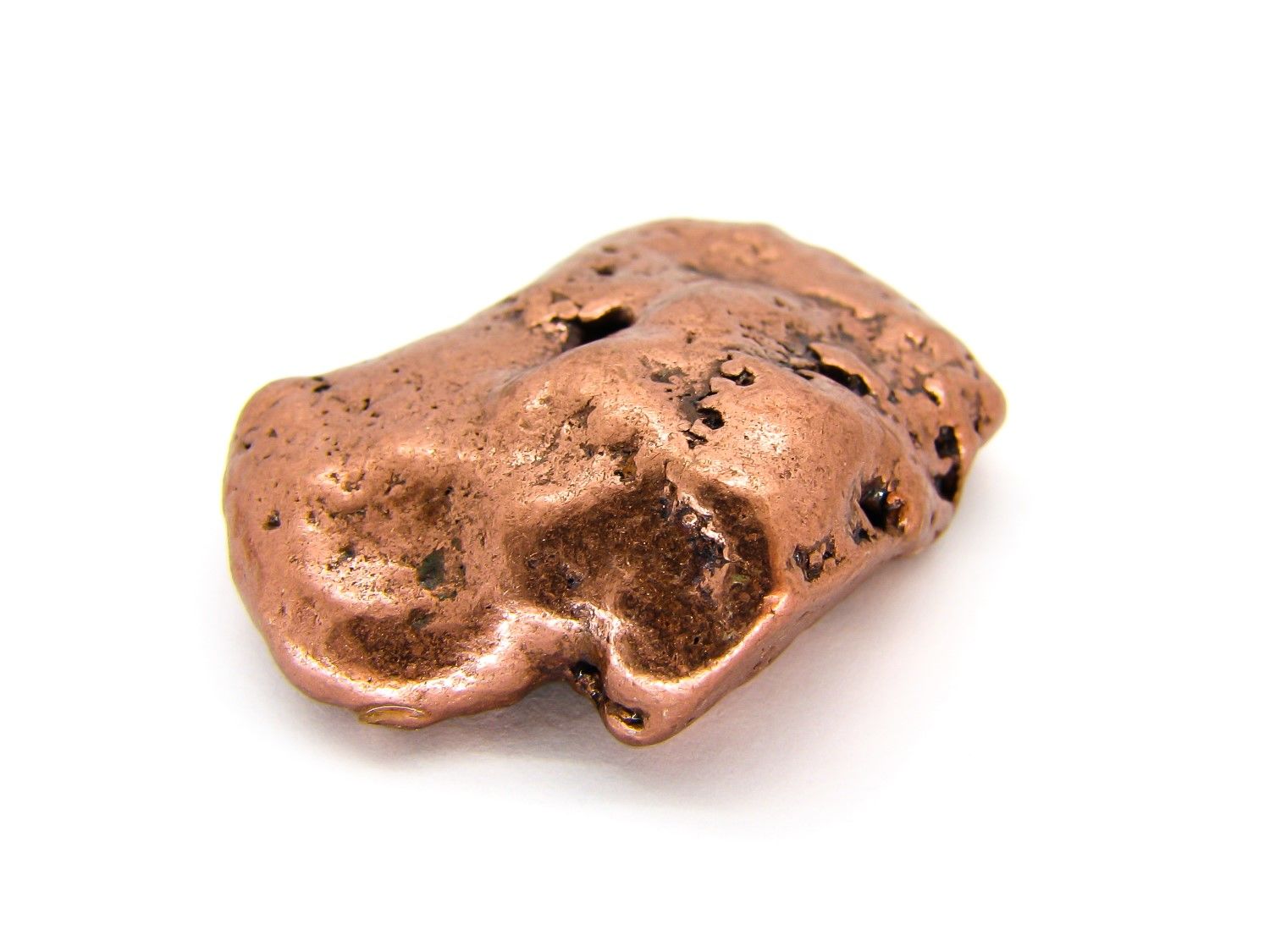
Copper
Copper acts as an antioxidant, it protects the skin from the damage caused by the increase of free radical levels and stimulates the maturing process of collagen; therefore, it is critically important in the improvement of the elasticity and thickness of the skin. It has a role in melanin synthesis, and the pigmentation of the skin and hair.
Vitamin B complex
The group of B vitamins have an important role in the maintenance of the health of the skin, since it is an important factor of several physiological processes like protein synthesis.
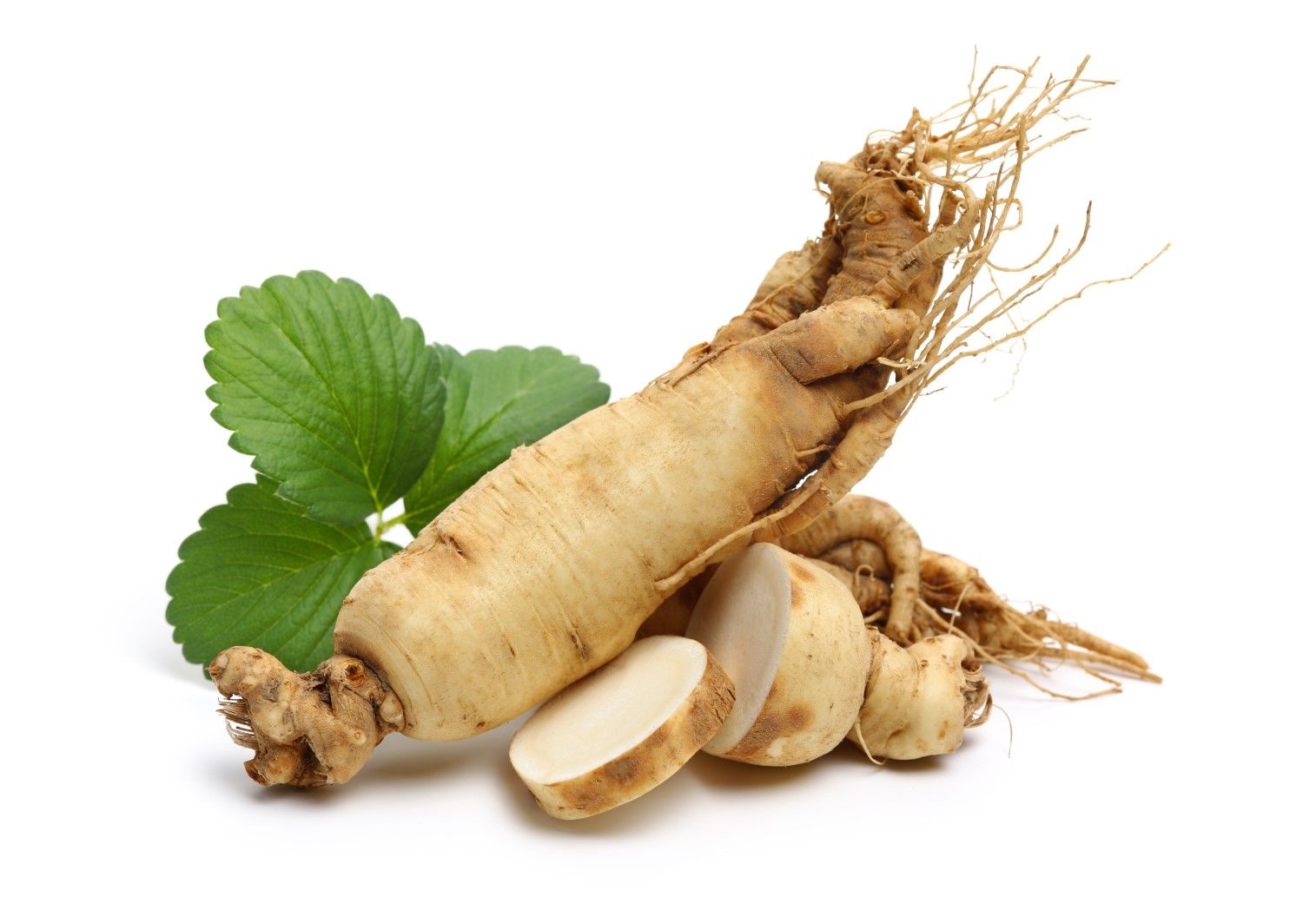
Jiaogulan
Gynostemma pentaphyllum (jiaogulan, five-leaf ginseng) is an herbaceous, dioecious creeping herb. It is widely spread in South and East Asia. Its name refers to its serrated leaves that usually grow in groups of five. For medicinal purposes, the above-ground parts, mostly the leaves are used. Although in a taxonomical way it has no relation to the genus Ginseng, the plant is also called five-leaf ginseng, since its effects and active ingredients resemble that of Asian ginseng.
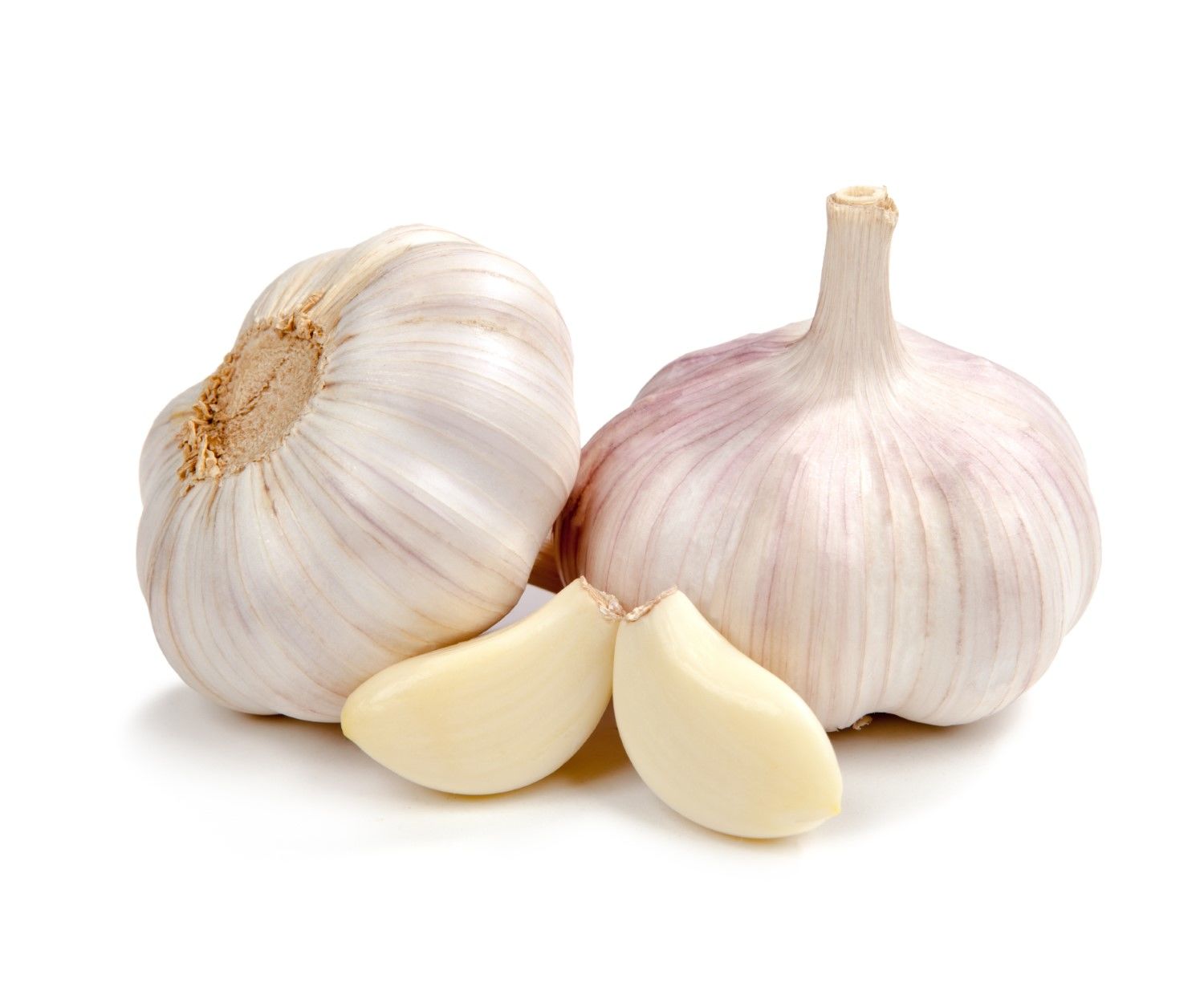
Garlic
Garlic is a widely known spice used since the ancient times; nowadays it is one of the most popular herbs. Its underground part (bulb) is used for medicinal and nutritional purposes as well. The processed product contains the dried (often freeze-dried) bulb in a powdered form, or the oily extract of garlic, or rarely its essential oil. Chemicals with a characteristic odor containing sulfur are responsible for the effects of garlic.
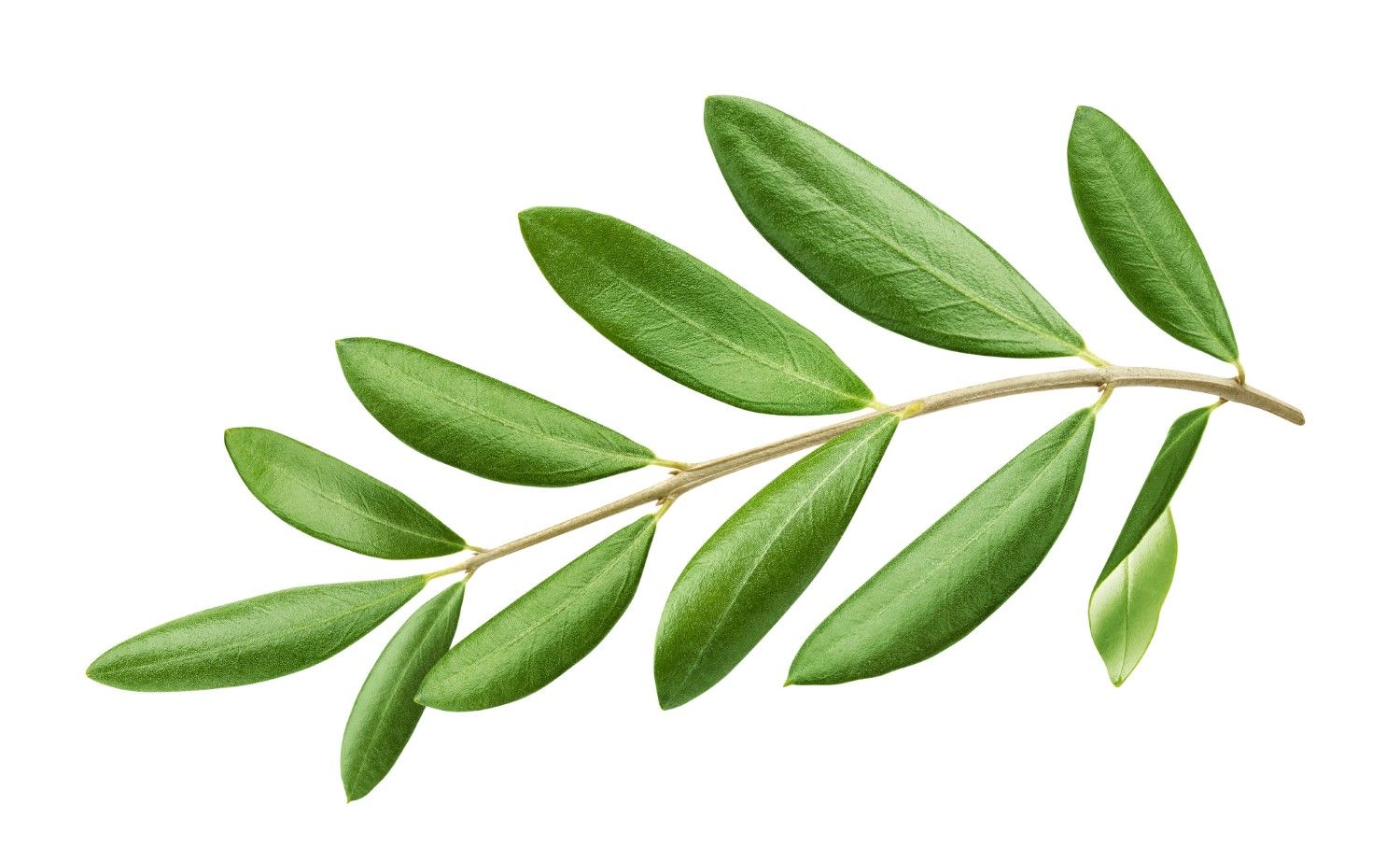
Olive leaf
Olive tree is a native fruit tree in Asia Minor and Syria and is a cult and industrially significant plant that is cultivated in the whole area of the Mediterranean Sea. Its leaves are traditionally used for the treatment of hypertension and as a diuretic and cholagogue. In modern medicine they use its leaves and the oil acquired with cold pressing from the olive fruit as a solvent for medicinal products and as a component of cremes.
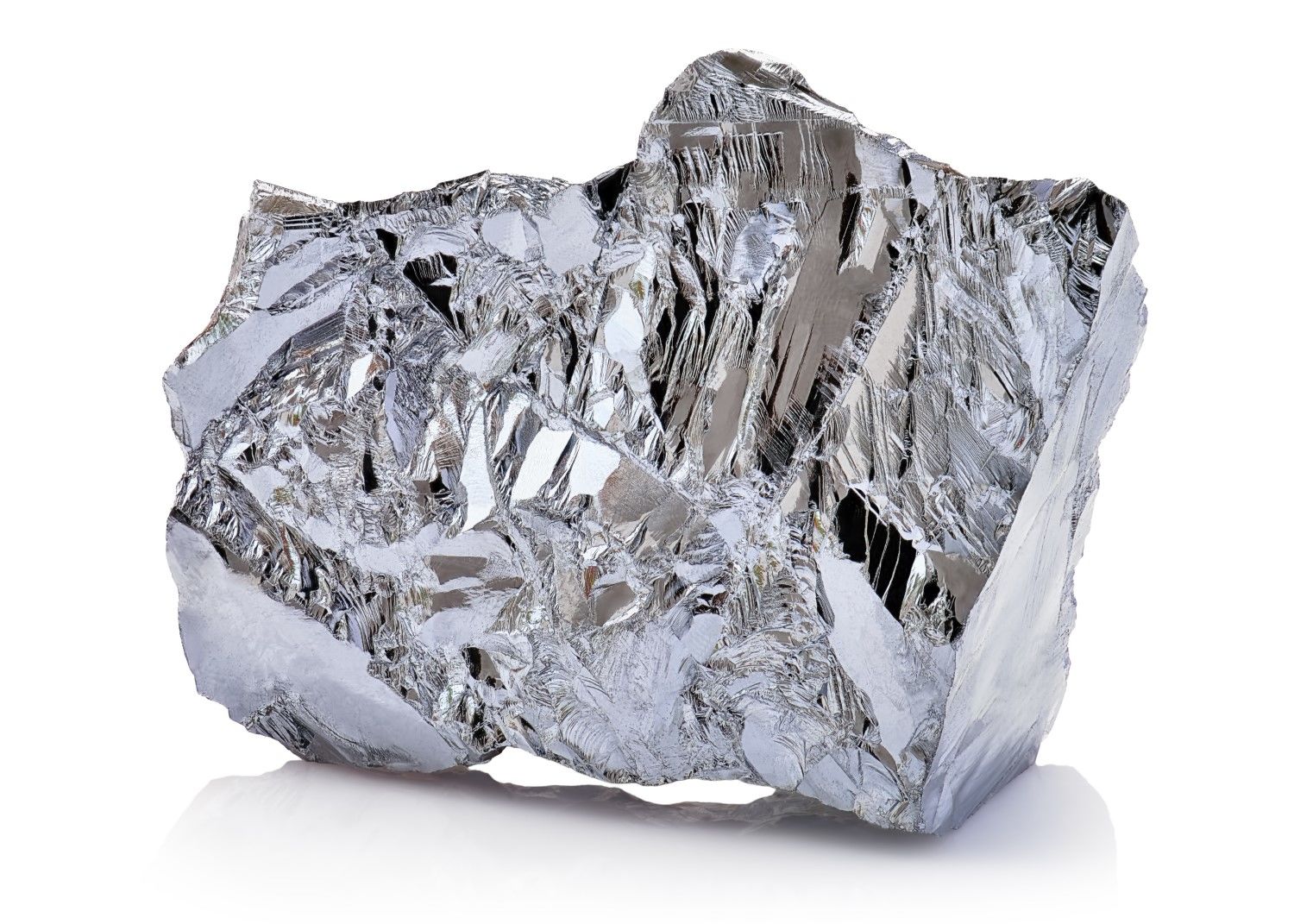
Chromium
Chromium is an important trace element that has a role in the mitigation of blood sugar regulation disorders, and the maintenance of normal blood sugar levels. To ensure the increased demand for chromium originated from increased physical activity, athletes consume it in a targeted manner. Chromium occurs in natural nutrient sources in a small quantity (whole meal grains, meat, liver, legumes), but only 1–2% of chromium compounds is absorbed. Chromium supplement is usually done by organic bound compounds, or (as in this product), with yeast containing chromium. This provides a good dosing possibility and adequate absorption.
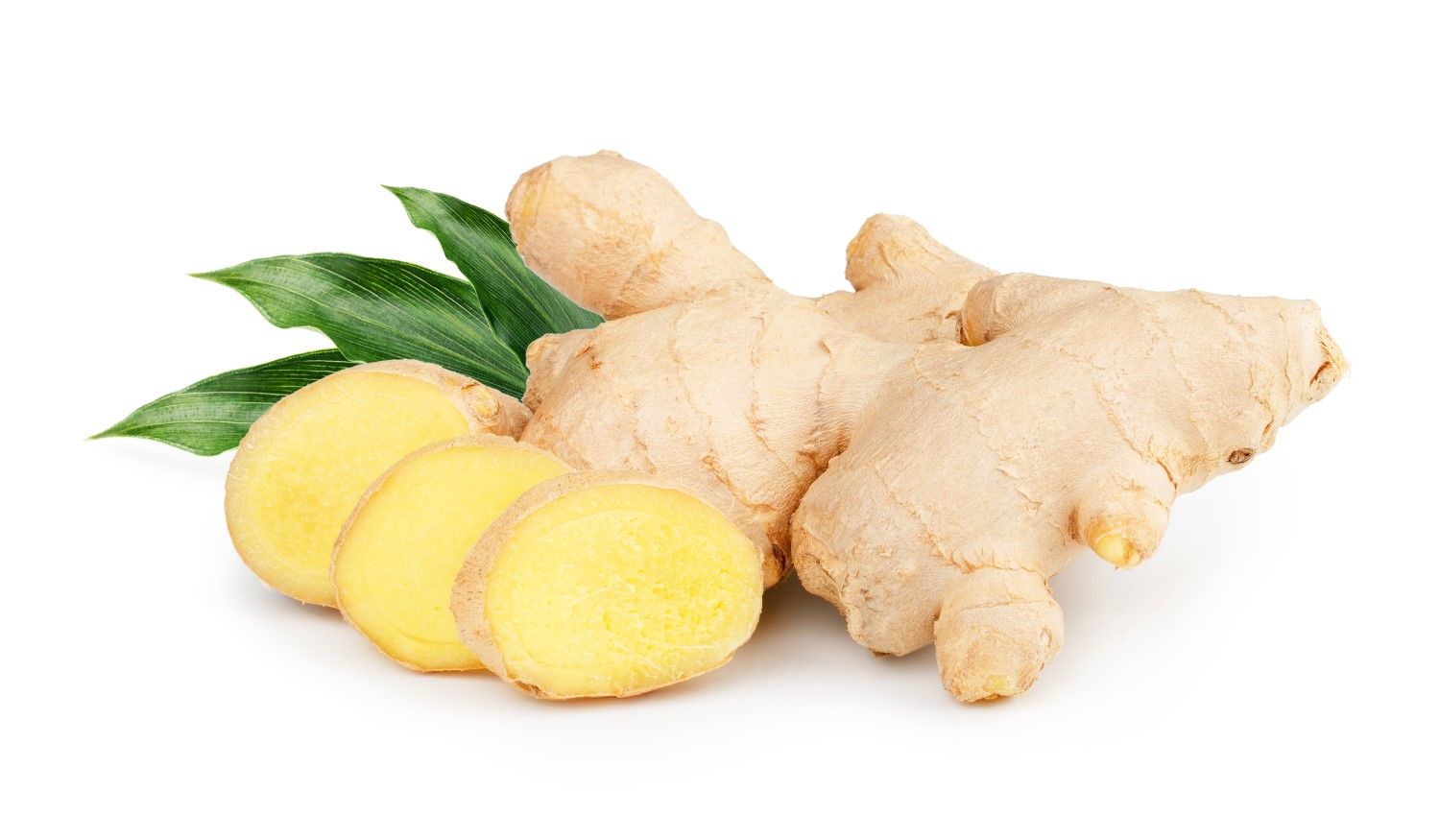
Ginger
Ginger showed atherosclerosis inhibitory effects in animal experiments. Through its blood pressure regulating, cholesterol decreasing, antioxidant and platelet aggregation inhibitory effects, it has beneficial cardiovascular effects. Even though clinical trials prove that it does not interact with anticoagulant medications.
Resveratrol
Resveratrol is a natural antioxidant compound that can be found in several dietary plants. Its most known source is the blue grapes skin, but it can also be found in significant amount in mulberry, raspberry, and blueberry. The herb with the highest resveratrol content is the Japanese knotweed (Fallopia japonica).
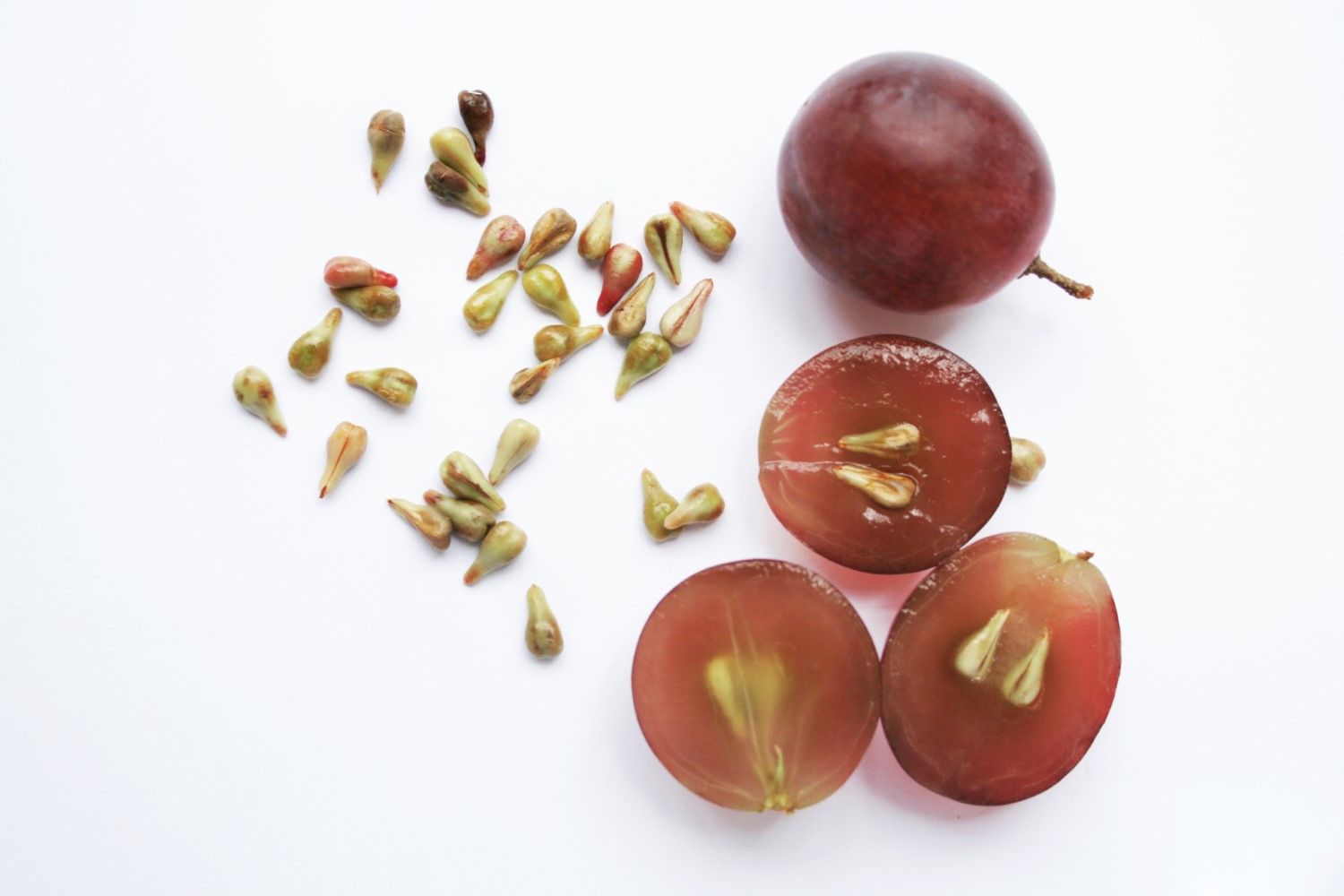
Grape seed
Grape seed is rich in unsaturated fatty acids and proanthocyanidins. Besides, it contains flavonoids that can be considered the building blocks of proanthocyanidins. The latter compounds have proven anti-inflammatory effects, and (together with the other compounds of the seed) it also has antioxidant effects. The vessel protecting effect of grape seed partly prevails through the maintenance of normal cholesterol levels.
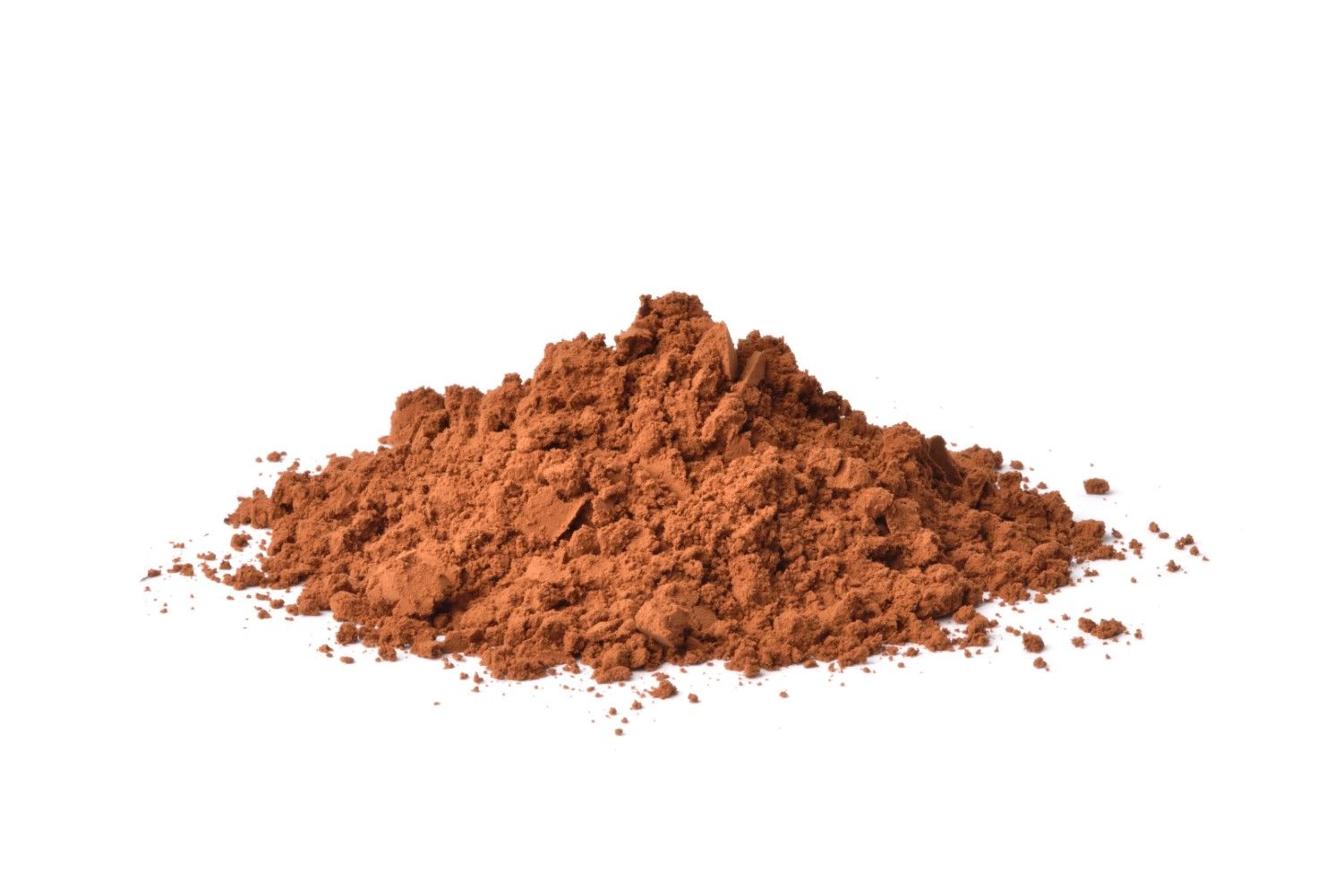
Cocoa flavonols
Flavonols are polyphenolic compounds that are found in certain plants, such as cocoa bean, green tea and grape seed. Flavonols have multiple beneficial health effects in both polymer (proanthocyanidine) and free flavonol forms.
Vitamin K
This vitamin is necessary for the synthesis of several proteins that have a role in the blood coagulation; if this vitamin is deficient, coagulation disorders, bleeding develops. However, vitamin K also has a role in the development of the procoagulant protein C and protein S, and therefore has an antithrombotic effect.
Our team of experts
Dr. Csupor Dezső Phd.
Head developer of our products and chairman of the Department of Herbs of the Hungarian Society of Pharmaceutical Sciences, also teaches pharmacy and medicine at the University of Szeged. His work has been recognized with several awards and scholarships. During his career he wrote several books and nearly two hundred articles.
Dr. Ládi Szabolcs
Specialized in peptides, anti-aging, and alternative medicine. Received his doctorate from the Faculty of Medicine of the University of Debrecen, but during his career he also obtained a degree from the University of Arizona and the St. Petersburg Bioregulation and Gerontology Research Institute, and is a member of the American Academy of Anti-Age Medicine.
Dr. Fekete Bálint András
As a clinical geneticist, one of Dr. Fekete’s most important areas of interest is prevention, anti-aging, or longevity as it is nowadays more and more called. In his view, the most important area of research in genetics today is research into aging and huge advances in this area are expected in the coming years. He believes that it is important to have as many people as possible to have access to new information about this new topic to empower people to be able to cultivate their own health. Personalized medicine and slowing down and reducing the harmful effects of aging will revolutionize medicine, he believes.
Kenyeres Sándor
Major supporter of the arts, culture and the sciences and committed to the longevity topic. His professional interests include regional development and projects to improve the quality of life and the quality of the environment. He is a visiting professor at the University of Corvinus as a lecturer in the field of regional development. His name is associated with the implementation of the Mammut shopping complex, the EC Cup Foundation and the Talentis Program, and the establishment of the Silicon Valley project in Central Europe.
Csipak Hermina
As we work together I will help to shape your diet and habits to suit your goals, so that eating is won’t be an issue in your everyday life.